JJB Family Farms focuses on consistency
JJB Family Farms focuses on consistency
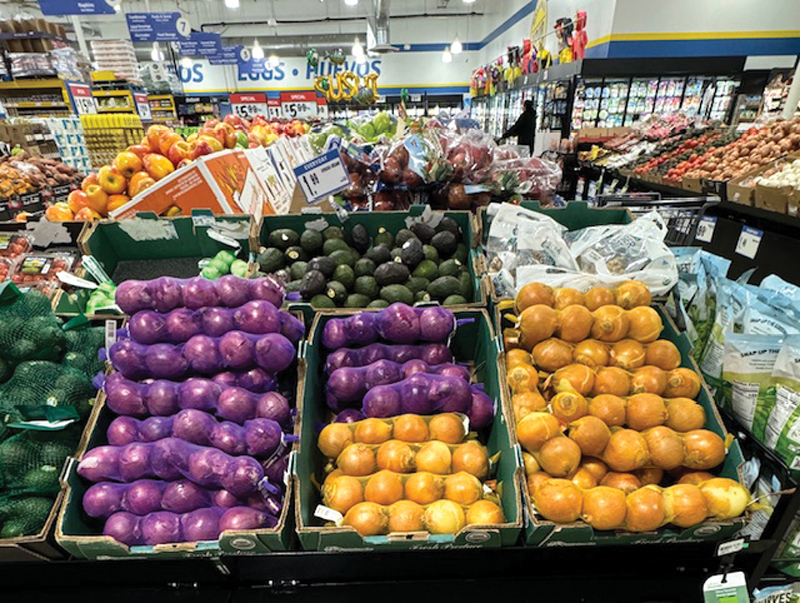
With strong movement across multiple onion categories and favorable crop conditions so far, JJB Family Farms is moving through the 2026 season with optimism while continuing to navigate the rising costs and logistical challenges facing the produce industry.
“We’ve got good volume across white, red, yellow, organic and conventional onions,” said Derrell Kelso, onion manager of the Stockton, CA-based company. “Quality so far is looking great. Everything here is packed to order.”
The company expects another active season as its Northern California onion program begins in late June and continues through September.
Weather patterns have been mixed throughout the early growing season, though crop development has remained strong. “We’ve had hot and cold weather,” Kelso said. “But the onions look great so far — good color and growing well.”
Even with the positive crop outlook, Kelso noted that Pacific Ocean temperatures could influence conditions later in the season. “We do expect a warmer-than-normal season since Pacific Ocean temperatures are up five to six degrees,” he said.
Across the marketplace, JJB Family Farms continues seeing strong retail demand, particularly for bulk and consumer-packed onions.
“Retail business is up,” Kelso said. “We find ourselves packing a lot of bulk and consumer packs right now.”
Among the different categories, white onions and red onions have been especially strong performers. “The white category has been crushing it along with reds,” Kelso said. “Yellows still remain the biggest category overall.”
In a highly competitive onion market, JJB Family Farms believes consistency and reliability continue to separate the company from competitors.
“It comes down to service, quality, consistency and having products that perform well at the store level,” Kelso said.
That dependability is especially important for retailers managing produce displays and customer expectations.
“Retailers don’t want onion displays looking like a bread aisle where you have three different brands in one category,” Kelso said. “They want consistency and dependability.”
While demand remains strong, the company — like many throughout the industry — continues to face mounting operational costs and supply-chain challenges.
“I wouldn’t call them issues, I’d call them obstacles,” Kelso said. “The freight situation is crazy right now.”
Transportation costs have become particularly challenging for long-haul shipments. “Today, reefer rates from California to Miami are as high as $16,000,” Kelso said. “The risk that goes along with that is off the charts.”
Input costs across nearly every aspect of production have also risen sharply in recent weeks. “Material costs are up 5 to 8 percent over the last four weeks,” Kelso said. “Everything from fertilizer to bags to machinery has increased.”
California labor laws, food safety compliance, water availability and freight expenses are all contributing to higher operating costs throughout the supply chain.
“The freight costs alone for importing fertilizers are way up,” Kelso said. “Everything from the field to the finished package costs more than it used to.”
Kelso believes the industry is approaching a point where pricing realities will eventually have to catch up with rising production costs. “This past winter I was selling 25-pound jumbo red onions for less money than I did in 1987,” Kelso said. “At some point there’s going to be a reckoning, and it’s probably not going to happen gradually.”