USDA officials field COOL compliance questions during webinar
USDA officials field COOL compliance questions during webinar
WASHINGTON -- U.S. Department of Agriculture officials took the first crack at fielding scores of questions about the new country-of-origin labeling rule during an Aug. 6 webinar sponsored by the Produce Marketing Association and Western Growers Association.
The webinar was the first opportunity members from both trade groups had to hear top-level Agricultural Marketing Service staff members navigate through specific questions regarding how the produce industry should comply with the Aug. 1 interim final rule, which goes into effect Sept. 30.
Under COOL, perishable products, meats and nuts must be labeled at retail with their country of origin, and USDA just published a 233-page rule favored by producers and retailers for its flexible approach to the labeling law.
While USDA gives the industry six months to acclimate to the rule before enforcing it, trade groups are stepping in and helping companies get up to speed with the new requirements.
Many of the questions at the Aug. 6 webinar focused on the level of documentation retailers and suppliers will need to validate the country-of- origin labeling, such as whether labeling the master containers would be enough to demonstrate compliance at the retail level.
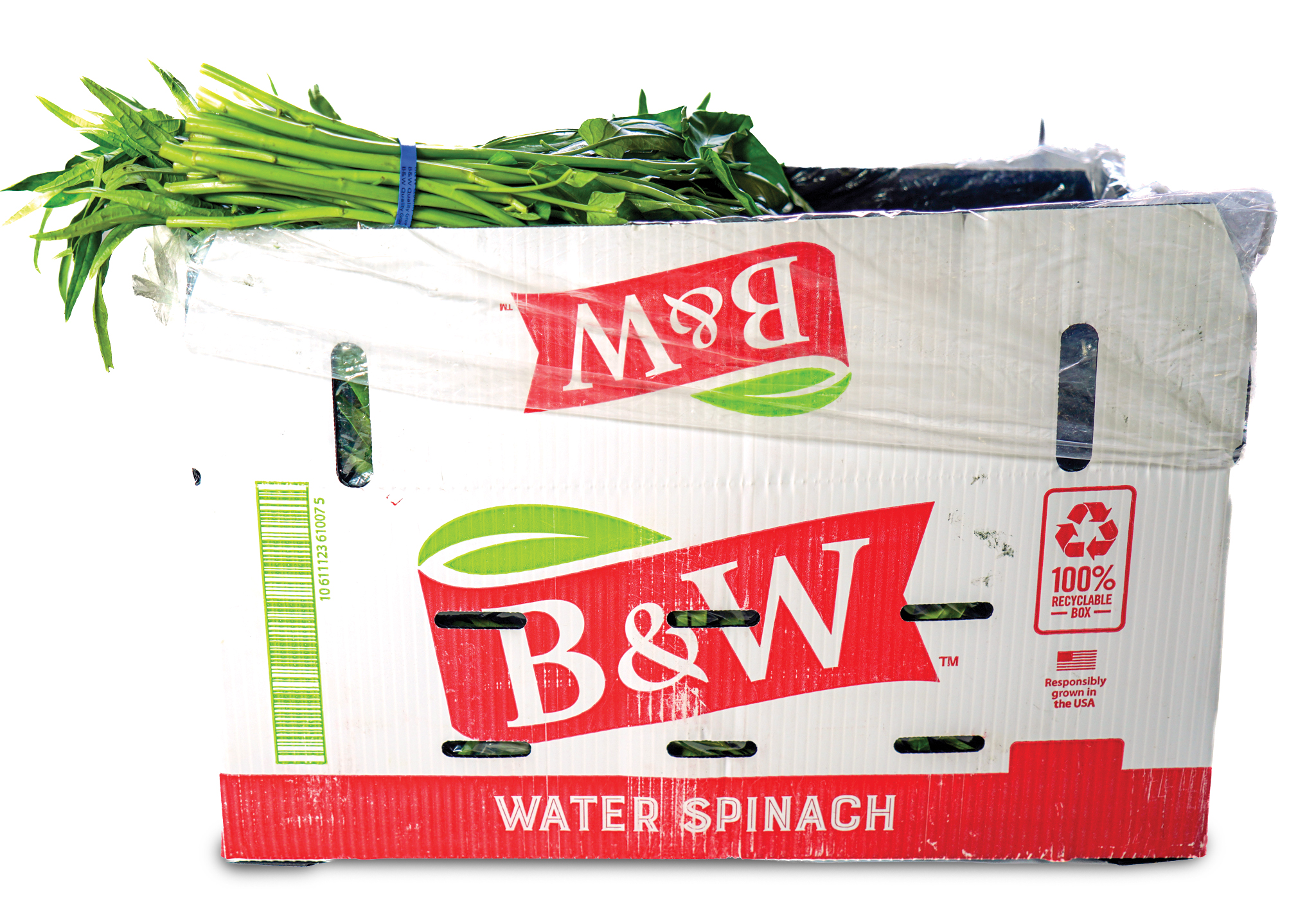
Several officials clarified that the rule allows the industry some flexibility in identifying the origin of fresh and frozen produce by listing it on a document that travels with the product to retail, a master shipping container or on the products themselves.
But USDA officials cautioned that retailers may demand the country-of- origin information be listed on invoices or bills of lading as the easiest means of retaining the labeling information for one year. Retailers are not going to want to hold master containers in crowded back rooms, and may prefer to retain that information by an electronic or paper trail, said an AMS official.
AMS Administrator Lloyd Day said that records should be legible and conspicuous and include declarations such as "Produce of USA" or "Grown in Mexico" or just the name of the originating state to inform consumers. He urged the industry to move toward maintaining records electronically, which would make the documents more easily accessible in the event that companies have five days to verify a shipment's origin at the request of USDA.
Other topics that dominated the 90-minute webinar focused on how to label co-mingled products and the definition of exempted processed foods.
Products such as lettuce and salad dressing or apples and oranges packaged together fit the new processed foods definition and are exempted from the labeling rule. But what about two types of melons such as honeydew and cantaloupe sold together? asked one produce representative.
That is one of the "gray areas" that will need to be sorted out as AMS begins enforcing the regulations, replied an AMS official.
Fruit baskets containing different kinds of fruits, fresh and frozen produce destined for foodservice establishments, and produce sold in retail salad bars are all exempt from the labeling requirements, said government rule-writers.
AMS officials shot down labels that say "may contain" and list "and/or" for produce packed together from multiple countries, saying they would not be sufficient for compliance purposes.
"The origin claim must be definitive," said Erin Morris, AMS associate deputy administrator for poultry programs.
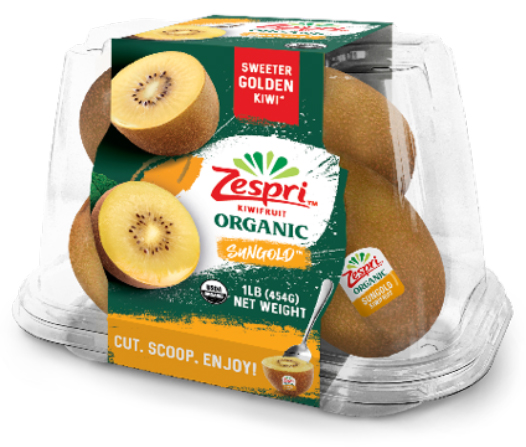
But AMS is still trying to sort out what is considered a reasonable number of apples, for example, that must carry stickers in bins to comply with the COOL requirements. Federal officials pledged to provide guidance on this issue at a later date, but for now said that a majority of apples should be identified with COOL stickers to comply with the new law.
Mr. Day said that USDA's goal will be to conduct outreach and education at the onset. Under the new rule, USDA can give violators up to 30 days to address a COOL labeling problem before levying fines. The law allows USDA to collect penalties of up to $1,000 per violation from both suppliers and retailers.
In the meantime, Congress has not appropriated the money USDA needs to enforce the new law. USDA has asked to collect new user fees to pick up the cost of enforcing COOL across the nation's retailers, and some lawmakers have dismissed the idea.
If that money is not appropriated or the user fees rejected, "enforcement would be difficult," said Mr. Day.
The webinar was the first opportunity members from both trade groups had to hear top-level Agricultural Marketing Service staff members navigate through specific questions regarding how the produce industry should comply with the Aug. 1 interim final rule, which goes into effect Sept. 30.
Under COOL, perishable products, meats and nuts must be labeled at retail with their country of origin, and USDA just published a 233-page rule favored by producers and retailers for its flexible approach to the labeling law.
While USDA gives the industry six months to acclimate to the rule before enforcing it, trade groups are stepping in and helping companies get up to speed with the new requirements.
Many of the questions at the Aug. 6 webinar focused on the level of documentation retailers and suppliers will need to validate the country-of- origin labeling, such as whether labeling the master containers would be enough to demonstrate compliance at the retail level.
Several officials clarified that the rule allows the industry some flexibility in identifying the origin of fresh and frozen produce by listing it on a document that travels with the product to retail, a master shipping container or on the products themselves.
But USDA officials cautioned that retailers may demand the country-of- origin information be listed on invoices or bills of lading as the easiest means of retaining the labeling information for one year. Retailers are not going to want to hold master containers in crowded back rooms, and may prefer to retain that information by an electronic or paper trail, said an AMS official.
AMS Administrator Lloyd Day said that records should be legible and conspicuous and include declarations such as "Produce of USA" or "Grown in Mexico" or just the name of the originating state to inform consumers. He urged the industry to move toward maintaining records electronically, which would make the documents more easily accessible in the event that companies have five days to verify a shipment's origin at the request of USDA.
Other topics that dominated the 90-minute webinar focused on how to label co-mingled products and the definition of exempted processed foods.
Products such as lettuce and salad dressing or apples and oranges packaged together fit the new processed foods definition and are exempted from the labeling rule. But what about two types of melons such as honeydew and cantaloupe sold together? asked one produce representative.
That is one of the "gray areas" that will need to be sorted out as AMS begins enforcing the regulations, replied an AMS official.
Fruit baskets containing different kinds of fruits, fresh and frozen produce destined for foodservice establishments, and produce sold in retail salad bars are all exempt from the labeling requirements, said government rule-writers.
AMS officials shot down labels that say "may contain" and list "and/or" for produce packed together from multiple countries, saying they would not be sufficient for compliance purposes.
"The origin claim must be definitive," said Erin Morris, AMS associate deputy administrator for poultry programs.
But AMS is still trying to sort out what is considered a reasonable number of apples, for example, that must carry stickers in bins to comply with the COOL requirements. Federal officials pledged to provide guidance on this issue at a later date, but for now said that a majority of apples should be identified with COOL stickers to comply with the new law.
Mr. Day said that USDA's goal will be to conduct outreach and education at the onset. Under the new rule, USDA can give violators up to 30 days to address a COOL labeling problem before levying fines. The law allows USDA to collect penalties of up to $1,000 per violation from both suppliers and retailers.
In the meantime, Congress has not appropriated the money USDA needs to enforce the new law. USDA has asked to collect new user fees to pick up the cost of enforcing COOL across the nation's retailers, and some lawmakers have dismissed the idea.
If that money is not appropriated or the user fees rejected, "enforcement would be difficult," said Mr. Day.