USDA adopts streamlined COOL in new regulations
USDA adopts streamlined COOL in new regulations
WASHINGTON -- Produce companies already labeling commodities by country of origin are not expected to be rocked by the U.S. Department of Agriculture's new labeling rule, and those that haven't started will find that USDA tried to minimize hefty regulatory costs.
The department released its long-awaited COOL rule Aug. 1, which requires new labels for domestic and imported beef, chicken, goat meat, lamb, fresh and frozen fruits and vegetables, peanuts, pecans, ginseng and macadamia nuts. The 233-page interim final rule mirrored many of the changes for which the industry fought in the 2008 farm bill to make the unwieldy labeling program more workable for suppliers and buyers.
"We're still reading through them and will have a summary for our members soon, but we don't expect any big surprises," said Julia Stewart, public relations director for the Produce Marketing Association.
"We do not see significant changes for those commodities that are already labeling their produce with country-of-origin information and believe produce that is not currently labeling can work effectively under this new regulation to minimize cost to implement a workable labeling program," said Robert Guenther, senior vice president of public policy for the United Fresh Produce Association.
"Our initial review of the COOL interim final rule indicates that they have taken into consideration a lot of the concerns we have identified in the 2003 proposed rule, including minimizing recordkeeping requirements, flexibility in labeling practices, ability to have state and regional labeling as a labeling practice, and workable plan for enforcement," Mr. Guenther added.
Under the new rule, suppliers and retailers need to keep records on origin labeling for one year -- not two years as originally proposed -- and the records do not need to be kept at the store level for retailers.
Commodities must be labeled at retail to indicate their country of origin but are excluded if they are used as an ingredient in a processed food or served in restaurants or other foodservice establishments.
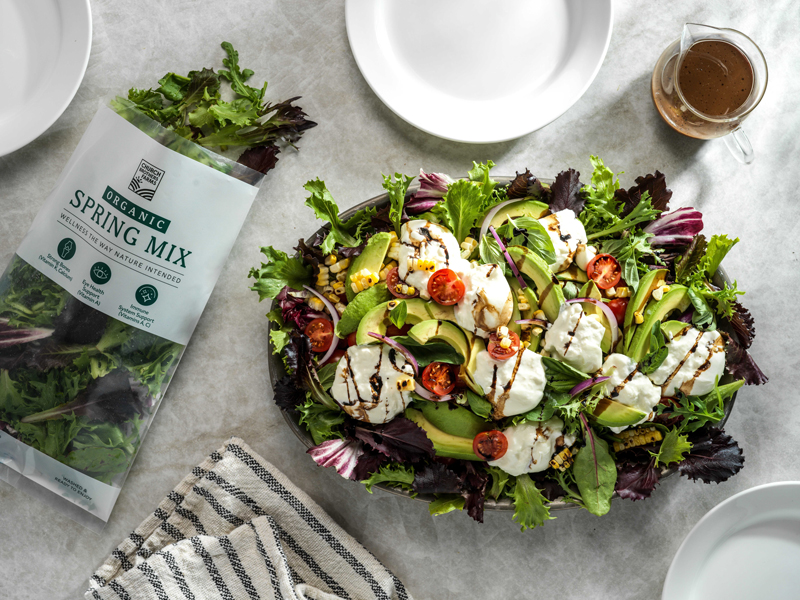
Two different covered commodities packaged together are considered processed foods and are not subject to the new rule. USDA listed examples of products exempt from the labeling rule, such as a salad mix packaged with dressings; a fruit cup that contains bananas, strawberries and melons; or a bag of mixed vegetables containing peas and carrots.
While the law officially goes into effect Sept. 30, the food industry will have six months to allow time for covered commodities already in the chain of commerce to clear the system before state inspectors start enforcing the rule. Commodities produced or packaged before Sept. 30 are not covered by the law, said USDA.
"The six-month education and outreach is further time for the entire supply- chain to develop COOL systems that are reasonable and cost-effective and do not disrupt the flow of fresh produce to consumers," said Mr. Guenther. Food retailers praised USDA for allowing time for industry to prepare for the new rule.
"We appreciate USDA's decision to emphasize education and outreach, giving the industry time to implement the newly announced labeling systems," said Deborah White, senior vice president and chief legal officer at the Food Marketing Institute.
To ensure that the retail and supplier communities understand the new rule, several groups -- the American Meat Institute, United and FMI -- are teaming to sponsor three seminars on the new COOL rules from Aug. 12 to Aug. 14. PMA and Western Growers Association are hosting a webinar Aug. 6 with Agricultural Marketing Service Administrator Lloyd Day to field questions on implementing the COOL rule.
"We're working with PMA in putting together a webinar to ensure our memberships adhere to the new rule," said Paul Simonds, communications manager for WGA.
While produce trade groups continue to analyze the rule, PMA's Ms. Stewart said that just releasing the rules should calm jitters in the marketplace.
The department released its long-awaited COOL rule Aug. 1, which requires new labels for domestic and imported beef, chicken, goat meat, lamb, fresh and frozen fruits and vegetables, peanuts, pecans, ginseng and macadamia nuts. The 233-page interim final rule mirrored many of the changes for which the industry fought in the 2008 farm bill to make the unwieldy labeling program more workable for suppliers and buyers.
"We're still reading through them and will have a summary for our members soon, but we don't expect any big surprises," said Julia Stewart, public relations director for the Produce Marketing Association.
"We do not see significant changes for those commodities that are already labeling their produce with country-of-origin information and believe produce that is not currently labeling can work effectively under this new regulation to minimize cost to implement a workable labeling program," said Robert Guenther, senior vice president of public policy for the United Fresh Produce Association.
"Our initial review of the COOL interim final rule indicates that they have taken into consideration a lot of the concerns we have identified in the 2003 proposed rule, including minimizing recordkeeping requirements, flexibility in labeling practices, ability to have state and regional labeling as a labeling practice, and workable plan for enforcement," Mr. Guenther added.
Under the new rule, suppliers and retailers need to keep records on origin labeling for one year -- not two years as originally proposed -- and the records do not need to be kept at the store level for retailers.
Commodities must be labeled at retail to indicate their country of origin but are excluded if they are used as an ingredient in a processed food or served in restaurants or other foodservice establishments.
Two different covered commodities packaged together are considered processed foods and are not subject to the new rule. USDA listed examples of products exempt from the labeling rule, such as a salad mix packaged with dressings; a fruit cup that contains bananas, strawberries and melons; or a bag of mixed vegetables containing peas and carrots.
While the law officially goes into effect Sept. 30, the food industry will have six months to allow time for covered commodities already in the chain of commerce to clear the system before state inspectors start enforcing the rule. Commodities produced or packaged before Sept. 30 are not covered by the law, said USDA.
"The six-month education and outreach is further time for the entire supply- chain to develop COOL systems that are reasonable and cost-effective and do not disrupt the flow of fresh produce to consumers," said Mr. Guenther. Food retailers praised USDA for allowing time for industry to prepare for the new rule.
"We appreciate USDA's decision to emphasize education and outreach, giving the industry time to implement the newly announced labeling systems," said Deborah White, senior vice president and chief legal officer at the Food Marketing Institute.
To ensure that the retail and supplier communities understand the new rule, several groups -- the American Meat Institute, United and FMI -- are teaming to sponsor three seminars on the new COOL rules from Aug. 12 to Aug. 14. PMA and Western Growers Association are hosting a webinar Aug. 6 with Agricultural Marketing Service Administrator Lloyd Day to field questions on implementing the COOL rule.
"We're working with PMA in putting together a webinar to ensure our memberships adhere to the new rule," said Paul Simonds, communications manager for WGA.
While produce trade groups continue to analyze the rule, PMA's Ms. Stewart said that just releasing the rules should calm jitters in the marketplace.