In the Trenches: Rising fuel prices driving up trucking rates and produce costs
In the Trenches: Rising fuel prices driving up trucking rates and produce costs

As diesel prices continue to soar, it was inevitable that freight charges and produce department prices would soon feel the impact. Produce directors are now expressing concern that already-slim profit margins will face even greater obstacles as costs climb. Increasing retail prices amid strained consumer food budgets could further limit spending and change shopping habits.
Escalating fuel and energy expenses have triggered a chain reaction affecting businesses across the supply chain. Higher costs are pushing up farm production expenses and making it costlier to deliver goods through supermarkets. These increased charges are passed from producers to retail companies, and ultimately, consumers see higher prices at the checkout.
Diesel fuel prices for farming have jumped an average of 46 percent, making it difficult for most farmers to afford the supplies needed to run their operations. Besides fuel, rising costs for fertilizers and other essential materials, along with higher energy bills, are making farming increasingly unaffordable. Many farmers report that these financial pressures are threatening their ability to stay in business. Every step, from planting to harvest, packing and shipping relies on fuel.
The final cost of produce is determined by product and freight expenses, as well as the distance it must travel. A significant portion of fresh produce is shipped from California, where diesel prices per gallon are the highest in the country. Transporting produce from California to eastern states drives up per-product case costs substantially, which ultimately shows up as higher prices at the grocery store.
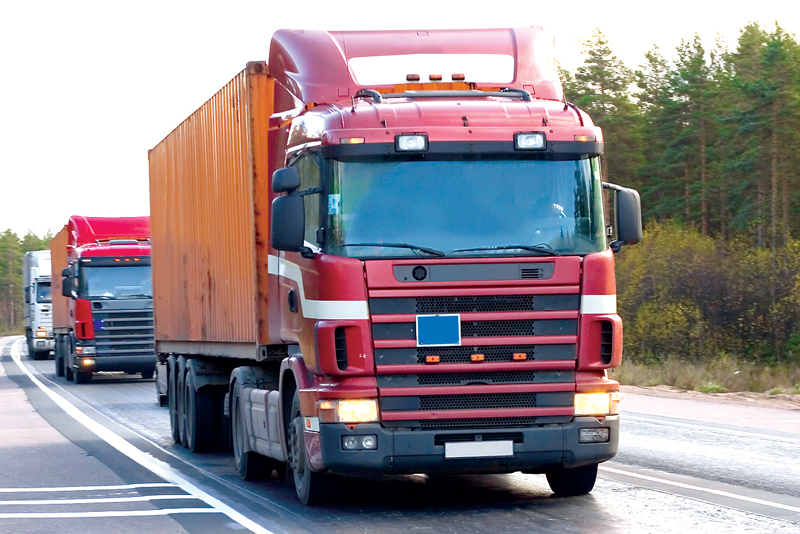 One of the biggest worries is that rising produce prices are putting additional strain on consumer food budgets. When prices become too high, shoppers may skip items they can no longer afford, leading to slower sales and increased waste, which in turn cuts into retailers’ profits.
So, how are produce retail leaders adapting to surging trucking expenses and rising product costs, and what impact does this have on produce profit margins?
Mike Roberts, vice president of produce operations for Harps Food Stores, based in Springdale, AR, reacted to increased fuel surcharges: “As diesel prices rise, those increases flow directly into our product costs, which puts pressure on margins and makes it harder to maintain attractive retail price points and strong ad activity. We’re seeing the greatest impact on niche and specialty items, where higher costs can quickly price those items out of reach for many customers. Staple items such as potatoes, onions and tomatoes have remained more stable, but overall cost increases are definitely affecting volume.”
So, how are customers reacting to those rising retails in the produce departments?
As for customer reaction, Roberts said, “I haven’t heard widespread direct feedback, but you can clearly see it in purchasing behavior. Customers are being more selective and value driven. Our focus has been on offering the best possible values on the items that matter most to them, even if that means carrying fewer items but supporting them with stronger promotions. We’re also constantly looking for lower cost options wherever possible.
"We all recognize that fuel costs don’t just impact our side, they affect nearly everything, including what customers are paying at the pump,” Roberts continued. “Anything we can do to help the consumer stretch their dollar is ultimately part of our job.”
Below are several strategies to help safeguard produce gross profits while managing higher product costs.
- Adjust retail prices: Shoppers are well aware of increased fuel expenses, as they see higher prices at gas stations. They realize that these fuel costs are driving up product prices.
- Streamline expenses: Reduce spending on nonessential items, programs and services. Put any unnecessary expenditures on hold until the situation stabilizes.
- Manage inventory carefully: Place greater emphasis on inventory control to handle costly products. Prevent excess stock in warehouses and stores.
- Eliminate slow movers: Remove items from the assortment that are not selling and tend to become waste. Raising prices on these items can worsen profit loss due to shrinkage.
- Market strategically: Emphasize value-driven messaging to retain customers. Promote essential produce items, like potatoes, apples and lettuce, at affordable prices in advertising. This approach is especially effective during periods of high gas prices and helps draw value-seeking shoppers to your store.
Engaging with customers directly at the point of sale is always beneficial. Providing friendly, helpful service encourages repeat visits and helps boost sales over time.
What do you think? Write to me at [email protected]
Ron Pelger is a former director of produce merchandising and procurement for a major supermarket retail chain. He is currently a free-lance writer for the produce industry supporting growers, shippers, and retailers. He can be contacted at 775-843-2394 or by e-mail at [email protected].