In the Trenches: Move produce sales forward, not backward
In the Trenches: Move produce sales forward, not backward

Why has aggressive produce merchandising decreased in many produce departments? Are management policies turning to simpler, more conservative selling displays?
I have seen a noticeable decline in enthusiasm and energy within produce sales environments. There has been a passive approach to merchandising lately by simply displaying produce and waiting for customers to make purchases. This method lacks the proactive sales strategies necessary to stimulate growth. It is essential to shift the focus back toward actively generating sales again.
Currently, the industry demonstrates insufficient assertive selling across all levels, including marketing managers, directors, field supervisors, produce managers and buyers. Many professionals are redirecting their attention to operational concerns such as gross margins, shrink or labor costs, rather than prioritizing direct sales initiatives.
A number of district supervisors have been instructing produce managers to withdraw from waterfalling displays or eliminate free-standing fixtures in open areas of the sales floor. This directive comes from the top in order to reduce inventory assets and control shrink, but this discourages sales and profitably. That’s the first step into entering a failing operation.
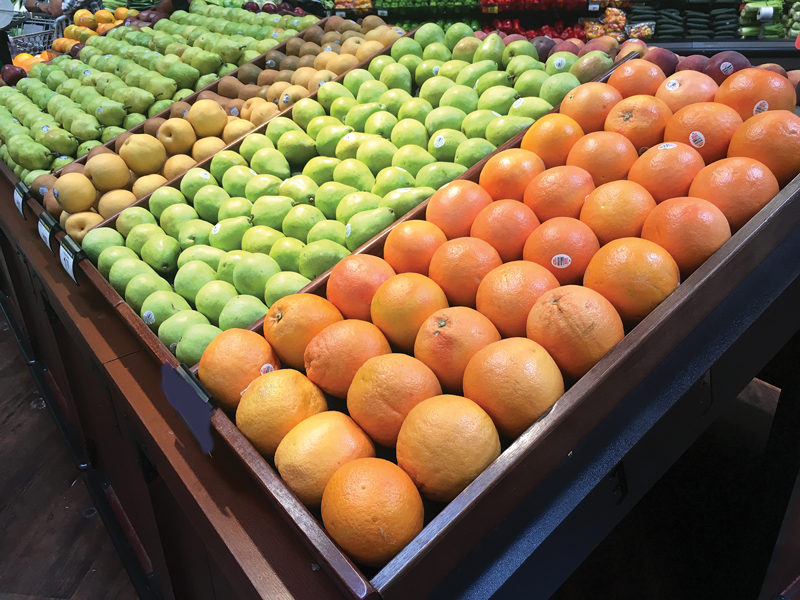
Even industry meetings have become less engaging and rarely address core sales topics. The frequency of meetings has increased by 33 percent compared to last year, yet fewer meetings are held where they can make the most impact — in stores, on the sales floor, with an emphasis on sales performance.
Despite achieving impressive sales advancements over the past three decades, recent trends suggest a slowdown. Factors such as mergers, profit pressures and escalating operating costs may be contributing to an environment that prioritizes margin over volume, potentially affecting overall sales momentum.
Some of the most effective salespeople display remarkable enthusiasm and determination, exemplified by individuals who actively engage potential customers and generate excitement for their products. Their proactive approach is a model worth emulating within produce sales.
The need for a stronger sales focus by dedicated workers should be encouraged rather than suppressing their motivated merchandising skills. This is where senior management must take on more responsibility in leading a company.
During a recent promotional event at a major grocery chain, an absence of prominent strawberry displays was observed. The only visible effort was a small weak display of 28 packages, which quickly sold out. In another store, advertised bag potatoes and onions were minimally displayed. Meanwhile, cabbage, a lower-volume item, received primary placement in a high-traffic area. This reflects a lack of strategic merchandising aimed at maximizing sales of major items that generate high-volume sales.
A produce manager explained that cantaloupes were not prominently displayed because they carried zero gross margin and he had to keep the inventory assets in line. In another scenario, a supplier shared that their sales representatives are being informed by produce buyers that they must decline any additional product promotions because inventory controls are so tight. One shipper observed that their sales team lacks the motivation to boost per-customer sales, attributing this to the same restrictive retailer policies currently in place.
Proactive sales are of high importance in the produce department due to its greater gross profit. The industry must respond to these challenges with renewed urgency. It is vital to create excitement among consumers and encourage larger produce purchases to generate profit.
Shippers and wholesalers want to provide attractive deals to retailers to promote product volumes assertively. Produce directors are always eager to take calculated risks and motivate their teams to construct impactful displays. Marketing managers and district supervision must aim for incremental sales increases, shifting their emphasis on eliminating large bold displays that sell massive amounts of produce.
Buyers want freedom to transition from only fulfilling orders to adopting communicative sales roles. District managers should be allocating greater attention to produce departments, promoting active sales engagement, instead of removing waterfall displays and incremental fixtures. Field merchandisers must ensure that displays support high-volume sales outcomes. Produce managers should prioritize customer interaction on the sales floor, minimizing time spent backstage placing most of their efforts on controlling inventory levels. Store managers need to familiarize themselves with current promotions and inspire their teams by targeting sales through aggressive merchandising displays.
Ultimately, the primary goal is to sell more fresh produce all of the time. While operational details are important, they should not overshadow the fundamental pursuit of increasing consumer purchases. Adopting a proactive and determined attitude toward sales remains a top priority to sell ambitiously accompanied by high goals.
All members of the industry are encouraged to participate actively in driving produce sales, fostering a culture focused on aggressive and sustained growth.
What do you think? Email me at [email protected]
Ron Pelger is a former director of produce merchandising and procurement for a major supermarket retail chain.
He is currently a free-lance writer for the produce industry supporting growers, shippers, and retailers. He can be contacted at 775-843-2394 or by e-mail at [email protected].