‘Retired’ Bob Sakata maintains schedule
‘Retired’ Bob Sakata maintains schedule
BRIGHTON, CO — Any news of Bob Sakata’s retirement is vastly exaggerated, with the veteran grower-shipper continuing his decades-long office routine with trademark energy.
Mid-June found the elder Sakata, who turned management of Sakata Farms over to his son, Robert T. Sakata, last year, at his desk and ready with updates on the farm’s onions, sweet corn and cabbage.
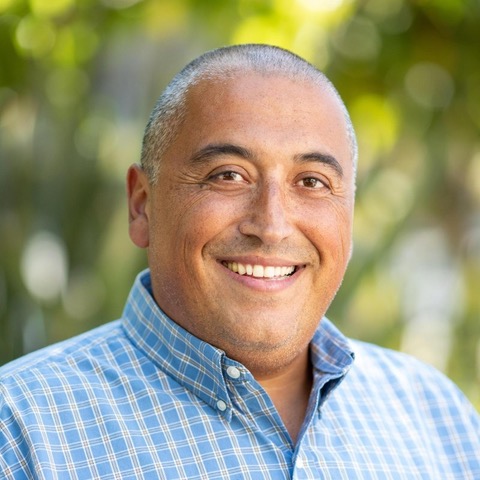
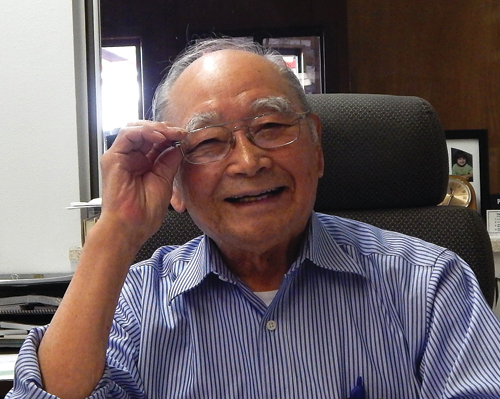 Bob Sakata“We’re split more or less evenly among those three items,” Sakata said, adding that Robert, or “R.T.,” has take over management of the operation.
“He does so much and sits on so many boards and commissions,” Sakata said. “He’s the president of the Colorado Fruit and Vegetable Association as well as the Colorado Onion Association, and he’s on the governor’s ag council as well.”
Recently R.T. Sakata received a phone call from the White House, Bob Sakata said. An invitation was extended to the new head of the company to meet with an unnamed member of the administration who was coming to Colorado on a fact-finding mission. The unnamed visitor turned out to be Vice President Joe Biden, and Biden and R.T. Sakata spent time discussing farming and issues related to labor.
Describing difficulty in finding workers in northern Colorado, Bob Sakata said, “R.T. Is getting a crew from Texas.”
He explained, “One reason labor is short is the oil boom in our state. But we need to be self-sufficient on energy.
“It could be a challenging year,” Sakata said. “Weather is always a factor, and market conditions change. We have labor and immigration reform. I think [Congress] is just too chicken to make a law. I suggest we put the word out and give [undocumented immigrants] six months’ grace period to come forward, with the incentive no penalty on back taxes. Then they’re first in line to come back legally.”
Referencing several years of drought conditions and other weather calamities Colorado farmers have faced, Sakata said, “Water this year is fine. Snowpack reached 150 percent of normal, and the Platte River is full.” Because usage of water from wells is regulated, the snowpack is of vital importance, Sakata said.
“But there are a lot of farmers who have just gotten out,” he continued. “Four or five years ago we were third in the nation for onion production, and we had 12,000 to 13,000 acres planted. Now we’re down to about 4,000 acres of onions.”
He said his concern about the world goes beyond just politics. “I don’t know who’s going to feed the world.”
Sakata said there are other pressing issues, including regulations coming out of Washington.
“In my opinion the biggest challenge in the produce industry is food safety,” he said, adding that washing produce thoroughly before eating it is an obvious step that often gets overlooked.
“Things are changing in the world. The public frowns on people who made it on their own under the free enterprise system,” he said.
And, he said, political correctness can go too far. “Without faith in God there is no meaning or purpose to human life. We farmers have faith. What other industry do you sink millions of dollars into without knowing if you’re going to get anything back?”