Retail View: Reaching millennials in-store and online
Retail View: Reaching millennials in-store and online
Recent consumer research reveals that 67 percent of millennials — currently 15- to 35-year-olds — shop online, accounting for about 50 percent of all online retail purchases. Other research shows that about 81 percent of all retail purchases by this demographic still occur in a physical store.
This group, which is roughly defined as being born in a 20-year span beginning in the early 1980s and stretching beyond the turn of the millennium, has buying power estimated at $200 billion, and is clearly growing. While baby boomers and Generation Xers currently have more money to spend, and are more inclined to spend it in traditional ways, the rise of the millennials is to be ignored at your own peril.
So which number should you pay attention to? The $180 billion spent in-store or the $20 billion spent online? Both are very important, according to experts. And retailers are listening.
Reportedly both Walmart and Target have plans in the work to expand their order fulfillment distribution centers, creating distribution centers designed solely to handle online shopping. Experts say there are various ways to handle online sales, but fulfilling those orders promptly is very important if you want the millennials to shop your websites. And there are also ways to attract this demographic to you brick and mortar stores by altering your signage and advertising.
According to market research firm GlobalWebIndex, two-thirds of all millennials shop online, and research from IBISWorld, a market research firm, reveals that e-commerce has experienced an annual growth of about 11 percent over the last three years. In order to meet this growing demand from e-commerce sales, retailers have to improve their supply distribution systems through better in-house warehouse management systems or contracting with order fulfillment services. While the Walmarts, Targets and other huge retailers can establish their own dedicated distribution centers for online purchases, smaller retailers and specialty retailers, including in the food category, might be better served by outsourcing these service to a third party. This segment of the business world is growing rapidly but so is demand for the service. IBISWorld said the prices of these products and services are forecast to grow in the next three years, so companies would be best served by seeking long term contracts sooner rather than later.
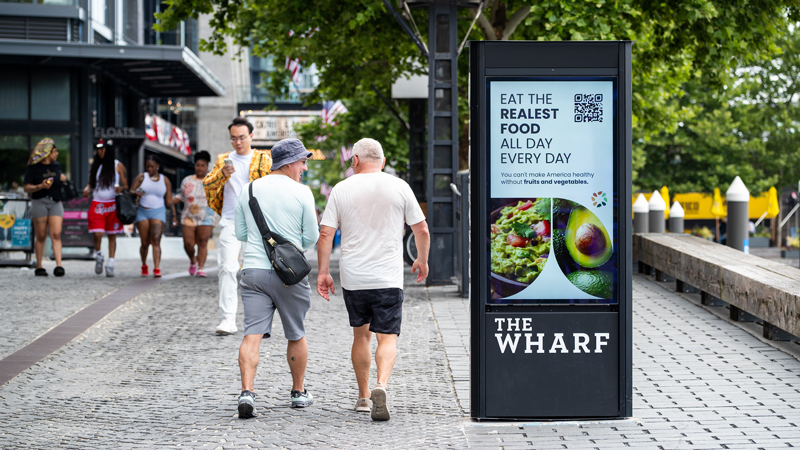
As far as attracting millennials to your brick and mortar stores, experts say this requires a targeted approach. Traditional advertising and signage doesn’t necessarily appeal to this demographic. Traditional print advertising, characterized by food page ads in your daily newspaper by food retailers, is on its way out. More and more newspapers are closing up shop as online news sources are expanding. To remain competitive and visible, retailers have to use other advertising venues such as social media campaigns, which obviously appeal to this younger demographic.
Media experts say crowdsourcing and integrating digital advertising with more traditional medias buys is the key to success. Not surprisingly, demand for alternative advertising services — such as experts in social media efforts — is on the rise and is expected to continue to increase for several years. Though less expensive than traditional advertising costs, the expense of running a social media campaign is also increasing, according to IBISWorld.
Retailers should also engage experts in search engine marketing (SEM) as this relatively new concept is key to reaching those doing their research online before buying. Millennials are especially adept and interested in looking it up before buying. Members of this demographic were born in the computer era and do not know what it is to not have a computer at their disposal. Reaching them requires using their tool of choice, the experts say.
IBISWorld expects the price of third-party SEM services to increase over the next three years as the demand increase. But this research marketing firm also expects the availability of SEM alternatives, such as affordable software solutions, will slow growth for third-party SEM services and give buyers some negotiating power. It might be time to engage a third-party SEM provider to make sure your on-line products are getting the hits they deserve.
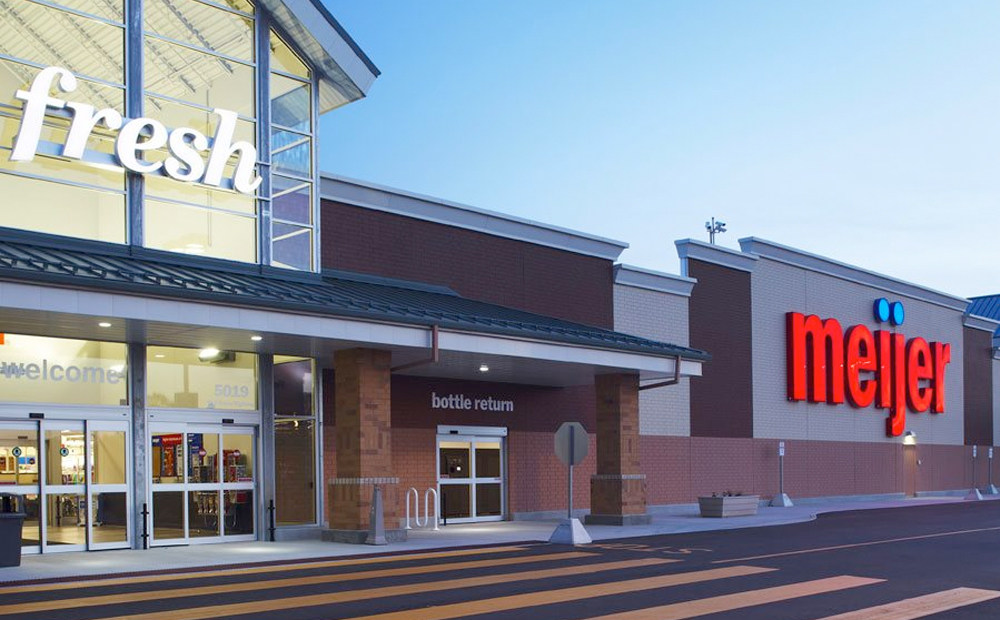
For the 81 percent of shopping that millennials still do in physical stores, retailers should update store fixtures and signage to attract this group.
Upgrades to environmentally friendly options, such as energy-efficient lights and recycled materials, will appeal to the millennial demographic while also lowering costs and reducing the company’s carbon footprint.