Philadelphia Wholesale Produce Market builds on strong foundation
Philadelphia Wholesale Produce Market builds on strong foundation
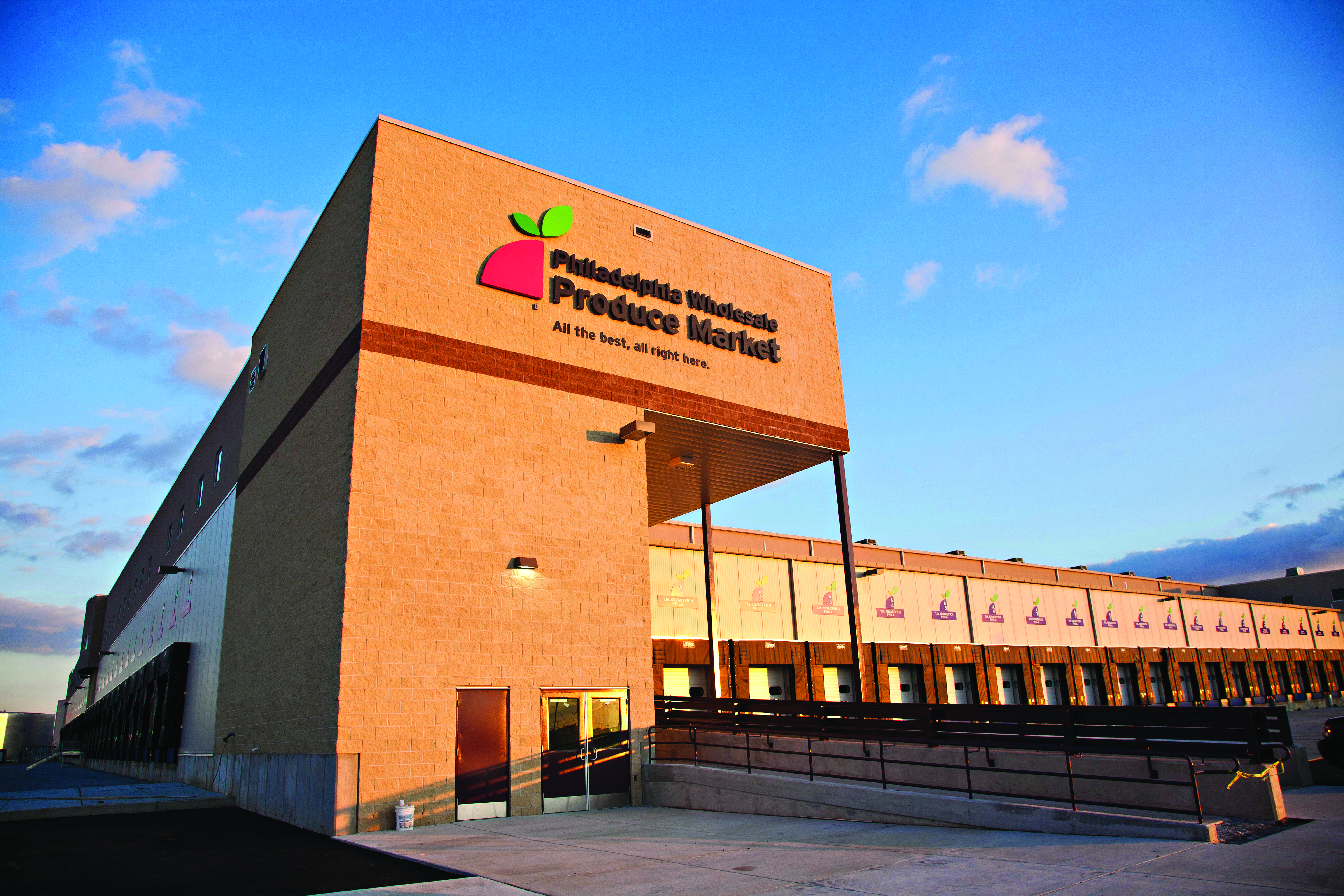 As the Philadelphia Wholesale Produce Market moves through 2026, the facility continues to demonstrate why it is considered one of the premier terminal markets in the country, combining strong business activity, modern infrastructure and a collaborative merchant environment.
“2026 has given the Philadelphia Wholesale Produce Market a good start,” said Mark Smith, general manager of the market. “Business is consistently strong for us and our merchants welcome customers—old and new, big and small—with enthusiasm.”
This year also marks a milestone for the market, which is celebrating its 15th year in its current state-of-the-art facility. Over that time, the market has established itself as a critical hub for produce distribution throughout the Mid-Atlantic and beyond.
“We’re still keenly aware and grateful that we have one of the best functioning wholesale produce markets in the country,” Smith said.
One of the key factors behind that success is the market’s continued investment in technology and customer-facing improvements. Among the latest initiatives is a new online billing and payment platform being developed in partnership with the Philadelphia Produce Credit Bureau.
“The platform will provide customers with a secure, centralized system to receive invoices, manage accounts and make payments seamlessly across all participating merchants,” Smith said. “It’s designed to save customers time, improve accuracy and provide greater visibility into their transactions.”
That commitment to modernization reflects the market’s broader strategy of adapting to evolving industry demands while maintaining operational efficiency.
“Our merchants have the flexibility to respond to changes in the industry,” Smith said. “Each of our 18 merchants has the ability to tackle challenges within their own unit or by working with our management team.”
From shifting retail expectations to the continued growth of foodservice and value-added offerings, the market’s design allows tenants to adjust quickly to changing conditions.
Still, it is the facility itself that remains one of the market’s greatest strengths, particularly when it comes to maintaining product quality.
“The cold chain is never broken at our market,” Smith said. “Product is delivered in refrigerated trucks directly to sealed dock doors and then into coolers. Customers immediately notice the difference in quality and shelf life.”
That advantage is frequently cited by merchants as a key differentiator.
“Being a vendor in the Philadelphia Wholesale Produce Market keeps competition tight,” said Mark Levin, CEO of M. Levin & Co. “When your closest competitor is just down the hallway, it keeps you sharp. It’s still the best facility around for maintaining the cold chain and offering the largest variety of fresh produce.”
In addition to its infrastructure, the market benefits from its strategic location near major highways, railways, airports and the Port of Philadelphia, which serves as a major entry point for imported produce.
The surrounding Philadelphia market also plays a significant role in driving demand.
“Philadelphia has a lot of independent chains, ethnic grocers and regional chain business,” Levin said. “Most of our customers are within a one- to three-hour radius.”
That proximity allows for quick distribution and fresher product, while also supporting a diverse mix of customers across retail and foodservice sectors.
Looking ahead, Smith emphasized that continued growth will depend on strong communication and collaboration among market stakeholders.
“One of the most important aspects of continued growth is open communication,” he said. “Our board works to address any issues that affect business, whether it’s parking, refrigeration, security or customer relations.”
The market is also focused on sustainability and community impact, highlighted by its partnership with Sharing Excess, an organization that helps redirect surplus food to those in need.
“Food is not only diverted from the landfill, but is rescued and sent to hunger relief organizations,” Smith said.
With a strong operational foundation, ongoing investments in technology and a commitment to both customers and community, the Philadelphia Wholesale Produce Market is well positioned to remain a leader in the industry for years to come.