Strategic alliance game changer for Advance Customs Brokers
Strategic alliance game changer for Advance Customs Brokers
A year ago, Miami-based Advance Customs Brokers International entered into a strategic alliance with a couple of other brokers to help build up their back office and technology capabilities. Little did the principles know that it would pay dividends so quickly.
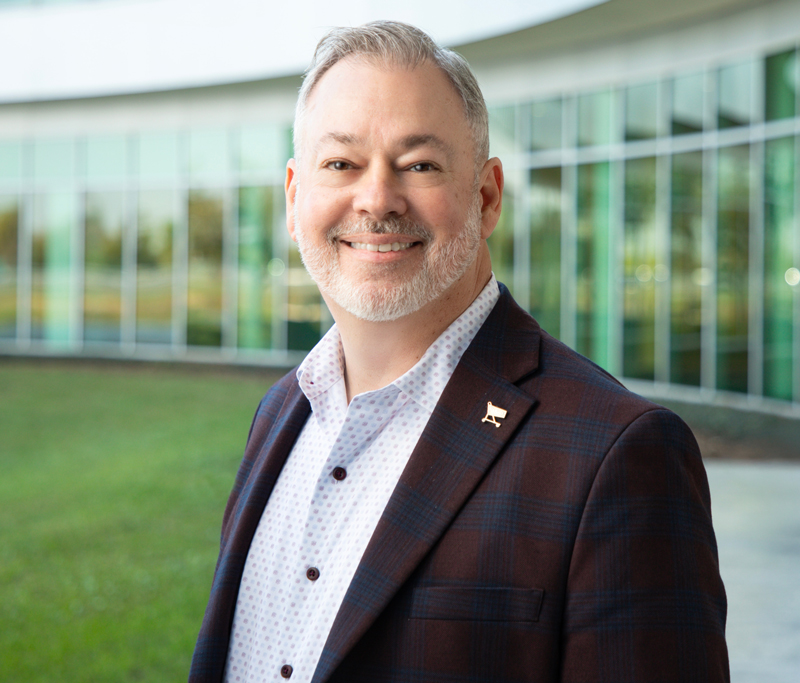
“It’s been a game-changer,” said Patricia Compres, who co-founded the customs brokerage with Maria Bermudez in 2013.
Bermudez agreed. “We really needed the technology upgrade to help us get through these last few months dealing with all the new requirements.”
 The two veteran customs brokers, each with more than three decades in the business, said the on again, off again U.S. imposed tariffs on many different countries could have created an undoable situation just keeping up with the paperwork, informing importers of their obligations and making sure everyone is up to date on their payments.
Compres said the stress level was very high among the community of perishable importers. The tariffs were often imposed overnight creating an ever-changing situation. These importers were relying on their customs brokers to keep up with the requirements and have the latest information.
“Every importer needed to know what each shipment was going to cost and when and how they needed to pay it,” Bermudez said. “We couldn’t sleep at night worrying about it.”
Compres revealed that the first task at hand was to help each importer obtain a Payer Unit Number, which is a unique security number assigned by U.S. Customs and Border Protection. To get a PUN, an importer must fill out and submit the ACH Debit Application to CBP, which typically takes a few weeks to process. It is through this account that the tariff is actually paid on each shipment.
In the mostly duty-free environment that existed prior to this year’s tariff barrage, Advance Customs Brokers, and most other such companies, would advance the money and pay those fees directly to CBP. But Compres said the fees for any shipment was typically a few hundred dollars at most. The tariffs can mount up quickly, adding tens of thousands of dollars to every shipment. That is too much money for a customs broker to advance.
By late August, Compres and Bermudez noted that with the help of new technology and its more robust back-office staff, the chaos had settled down and the flow was back to normal, albeit with a few more steps.
And surprisingly, everyone survived. “We expected a heavy drop-off in the number of importers and business,” Compres said, noting that she and Bermudez believed some of the smaller players would alter their business model. “We haven’t seen that. We have not lost any customers and in fact, have gained some.”
However, the duo did say that that the 50 percent tariff imposed on Brazilian imports in July will certainly reduce shipments from that country moving forward.
In talking about the tariffs, Compres said there are still issues that will have to be worked out in the coming months. Most perishables tend to be sold on a consignment basis with the FOB price determined after sale. Because the importer has to pay the tariff (10 percent of that price) prior to sale, there eventually has to be a reconciliation of every shipment to determine if there was an initial underpayment or overpayment to CBP. She said the importer has 22 months to close out each transaction with CBP so, for the most part, those reconciliations have not occurred yet.
Bermudez reiterated that moving into the heavy Peruvian asparagus shipping season, the shipments appear to be running relatively smoothly. “We have noticed that there has been a surge of air cargo recently,” she said, “which is a bit unusual.”
Returning back to the discussion of the partnerships formed with the other brokers a year ago, the two Advance Customs founders said it has been a very positive experience with the new systems adding immediate value. “There is still much to look forward to as we grow with our new partners,” they said in unison.