Nopales bring tradition, versatility and strong seasonal demand for Chico Produce LLC
Nopales bring tradition, versatility and strong seasonal demand for Chico Produce LLC
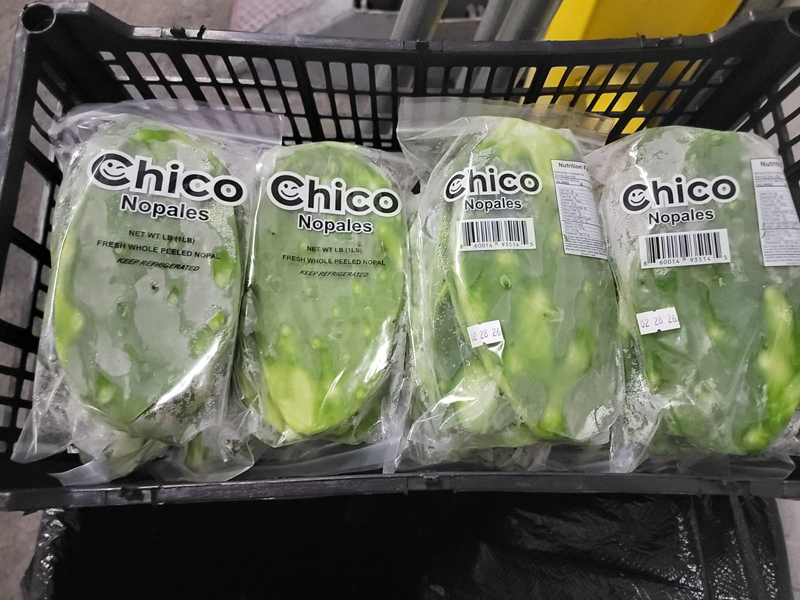
Nopales, the edible pads of the prickly pear cactus, have long been a staple in Mexican and the broader Latino cuisine, and they continue to be an important specialty item for Chico Produce LLC. The company sources high-quality Nopales from Mexico and supplies retailers across the United States, where demand rises sharply during the Lenten season.
Rob Ybarra, president of San Antonio, TX-based Chico Produce LLC, said nopales are deeply rooted in cultural traditions and remain a versatile ingredient in both classic and modern cooking.
“Nopales are a staple item with the Latino culture, especially Mexico,” said Ybarra. “Cactus has been a part of the Latino diet for centuries, and it’s something families grow up enjoying in many different dishes.”
Nopales, which are also known as nopalitos when chopped, are prized for their slightly tart flavor and tender texture when cooked. They can be prepared in a variety of ways, from stews and salads to grilled dishes.
One traditional preparation highlights their role as a hearty main course.
“When I was growing up in Brownsville, TX, every Ash Wednesday my family would go to church, receive ashes on our foreheads and then go home and enjoy a nopal-centered meal,” Ybarra recalled. “The most popular way we prepared it was like a stew with tomatoes, onions, peppers and chopped nopalitos. Some years, when we could afford it, my mom would add small dried shrimp. Served with refried beans and hot tortillas, it was incredible.”
Today, nopales are also gaining recognition among health-conscious consumers and vegetarians looking for meat alternatives.
“The whole paddles can be grilled just like fajitas,” said Ybarra. “You drizzle avocado oil on both sides, add your favorite seasoning, grill them and finish with a little lime juice and salt. It’s a delicious meat alternative and quite healthy for you.”
Sourcing and Packaging
Chico Produce sources its nopales primarily from Zacatecas, Mexico, a region known for producing some of the best cactus pads available.
“The area where the best nopales are grown is Zacatecas,” Ybarra said. “Our partner Carlos Ibarra from Saltillo sources them there, and the entire team in Mexico does an incredible job.”
While whole cactus pads can be sold by the pound, most retailers now prefer value-added formats because the raw cactus is prickly and requires cleaning.
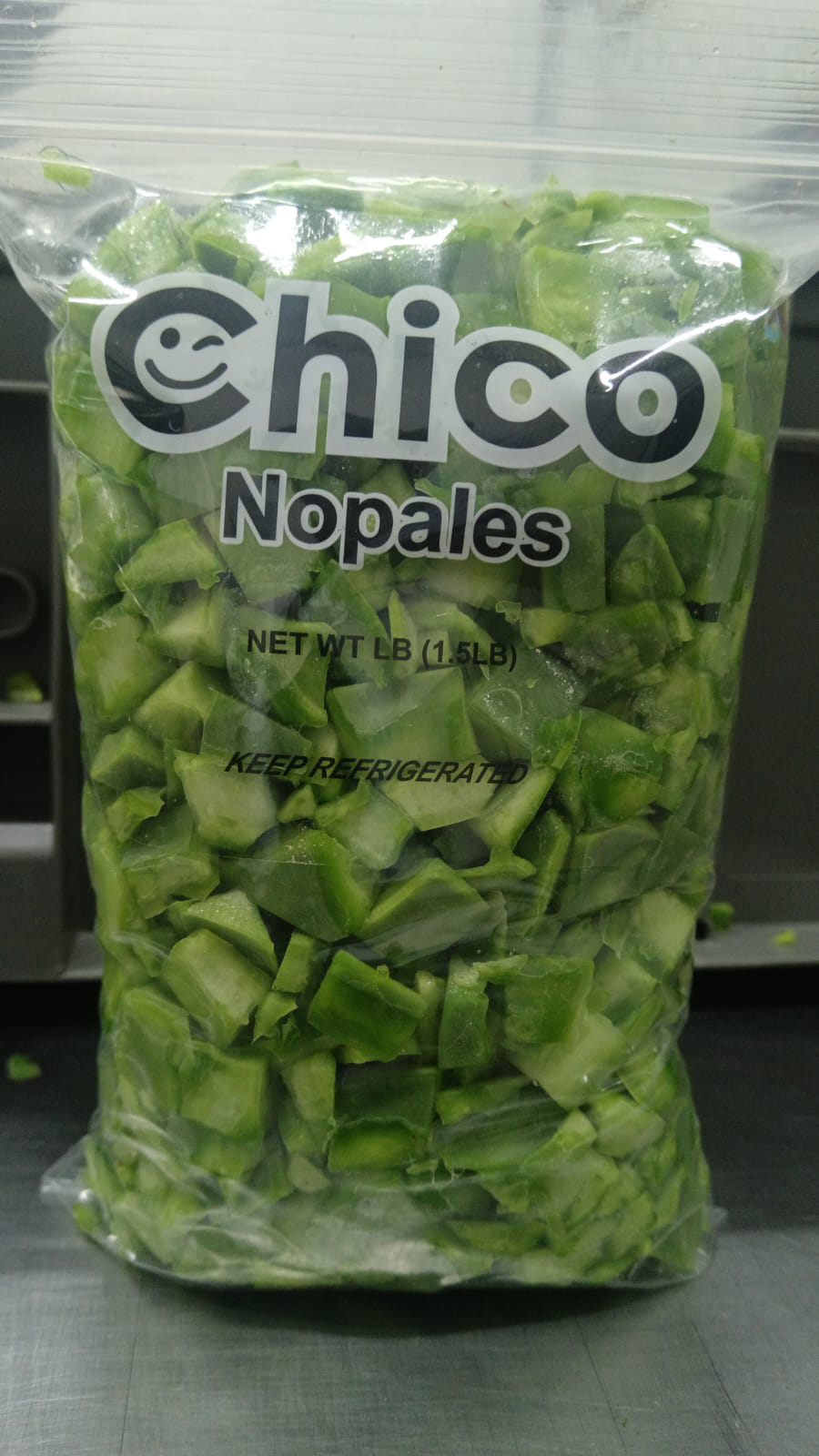
“Most of the sales now come from chopped nopales and whole nopales we call paddles,” Ybarra said. “The most popular sizes are 12-ounce chopped bags, one-pound bags and 1.5-pound bags. The whole paddles are typically packed in one- or 1.5-pound bags.”
Preparing nopales for retail is a labor-intensive process.
“It’s almost like an artisan process,” said Ybarra. “Each leaf has to be cleaned and trimmed, and they all come in different shapes and sizes. Other than the commercial chopper, most of the process is done by hand. The people who wash, clean, cut and pack them are truly the unsung heroes.”
Lent Drives Major Demand
Although nopales are consumed year-round, sales increase dramatically during the Catholic Lenten season, when many consumers avoid meat on Fridays.
“Nopales are often used as a meat substitute during Lent,” said Ybarra. “During those 40 days, sales can triple or even quadruple from normal consumption.”
He added that retailers in areas with strong Latino populations — including Texas, California, Arizona, New Mexico and Chicago — typically see steady daily sales throughout the year.
“Easter week is an ideal time for retailers to promote the category,” Ybarra said. “There’s no doubt customers will be looking for it because it’s part of a family tradition.”
Retail Merchandising Opportunities
At retail, nopales perform well in the value-added produce section, particularly near other prepared vegetables.
“The most common place to merchandise packaged nopales is in the value-added section next to cut vegetables, onions and jalapeños,” Ybarra said. “Some retailers also place them near tofu and other meatless items, which works well because they’re a great meat alternative.”
 Large displays featuring the full assortment — chopped, whole and fresh — can also help drive sales.
“As they say, you buy with your eyes,” Ybarra said. “Bigger displays of the different SKUs encourage higher sales, especially during Lent when shoppers are looking for meatless options for Friday meals.”
Beyond tradition and flavor, nopales offer strong nutritional benefits. They are low in calories and widely considered beneficial for people managing diabetes.
“Nopales are diabetic-friendly and very low in calories,” Ybarra said. “I would consider them a superfood. If you look up the health benefits, you’ll be pleasantly surprised.”
He added that consumers new to the ingredient can easily incorporate it into fresh dishes.
“If you’ve never tried a pico de gallo with nopales — tomatoes, onions, cilantro, hot peppers and cactus — you’ve been missing out,” he said.
Growing Programs at Chico
While nopales remain a core specialty item, Chico Produce is expanding into additional categories.
“We’ve been beyond blessed,” said Ybarra of his fledgling company, which he started in June 2025 after a 45-year career largely centered on retail. “The Chico brand continues to grow.”
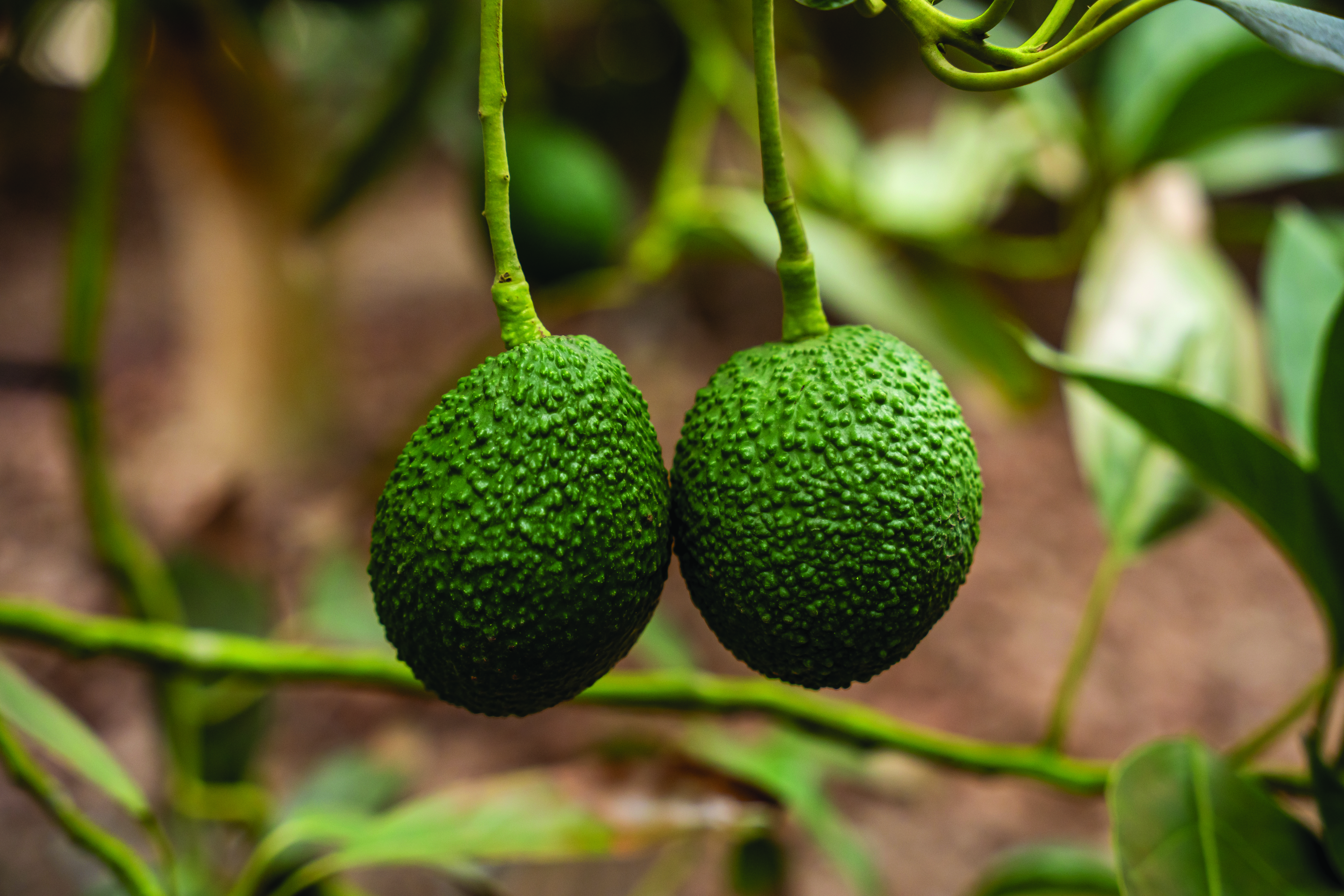
The company recently partnered with Javier Torres and Salvador Macias of Michoacán to launch Ventura Fresh, introducing Chico-branded avocados in conventional, bagged and organic formats.
“In the coming weeks we’re also introducing Chico plantains, Chico mangos and Chico yellow dragon fruit,” Ybarra said. “God is good, and I’m very grateful to so many people, including my lifelong partner, Letty Perales, who is also vice president of the company. But most of all, I am grateful to the man upstairs for making my dreams come true and giving us the opportunity to make a positive difference in our own lives and the lives of so many others.”
Despite the company’s growth, Ybarra emphasized that its mission remains rooted in values.
“Our guiding principle is ‘people and purpose over paper,’” he said. “That’s how we operate every day.”
And the company’s name itself reflects a personal connection.
“I named the company after my grandson Perry, who we nicknamed ‘Chico,’” Ybarra said. “One day I hope to leave him the keys to the business — but not anytime soon. He’s about to start pre-K, so we still have some time.”
For more information on Chico Produce, contact Rob Ybarra at [email protected].