Superfresh blueberry volume projected up 65 percent
Superfresh blueberry volume projected up 65 percent
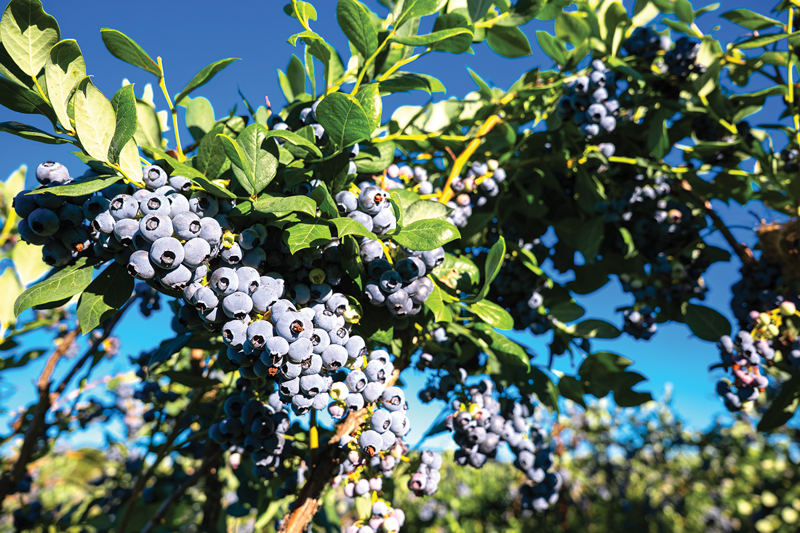
Superfresh Growers is preparing for a larger Northwest blueberry crop in 2026, with the season expected to begin earlier than usual and volumes significantly above last year. The company anticipates the first shipments from its Norris Farms program around June 8, roughly seven to 10 days ahead of the historical average. Warmer conditions in winter and spring accelerated crop development throughout much of the region. Overall blueberry volume is projected to increase 26 percent compared to last season, with organic production expected to rise approximately 65 percent. Despite the larger crop, Superfresh reports strong fruit quality heading into harvest, positioning the company for a season with ample promotional opportunities.
“Norris Farms is an important part of our overall blueberry program,” said Ashley Filliol, director of blueberry sales at Superfresh. “Our strategy is to source from high-quality growers across multiple regions of the Pacific Northwest, including Oregon’s Umpqua Valley, Washington’s Skagit Valley and eastern Washington.” Having multiple options across different areas in the Northwest is vital for maintaining season-long supply and decreases the impact of regional weather, which allows Superfresh to provide consistent volume and quality to their customers from June through September. Filliol explained how varied regions strengthen their portfolio: “The Umpqua Valley gives us an earlier start, while Skagit Valley provides cooler summer conditions and strong soils for blueberry production. Across the program, we are working with growers who are focused on quality, consistency and good pack-out. That is what matters most to retail partners.”
Filliol said that Superfresh encourages in-store visibility of its products during the peak weeks of summer including front-of-store placement, secondary displays and ads, which help drive movement in sales. Blueberries are often an impulse purchase, so retailers should capitalize on that by making them “easy to see and easy to grab.” Promoting multiple pack sizes can also help, especially when volume is strong. Superfresh’s road to success this season lies in keeping displays flashy and full of berries.
Shopper preferences change constantly, but one thing remains the same. “Consumers are still focused on value, but value does not always mean the lowest price,” said Filliol. “We are seeing shoppers look for fruit that delivers quality, flavor, nutrition and convenience,” and blueberries fit the bill. They work as a snack, they are easy to use and they align with consumer interest in health-forward foods. Older shoppers are focused on wellness and quality, while busy middle-income households are looking for produce that feels worth the purchase. Superfresh is ready for the heavy traffic weeks of summer, preparing ads, displays, digital features and in-store signage, which all help support movement, but above all, the timing is key.
“The best results come when promotions are planned ahead of time and matched to supply,” said Filliol. “When retailers promote during peak weeks, they can capture stronger volume and give consumers a better value.”
Filliol sees significant opportunities for continued growth in the blueberry category, particularly as consumers seek healthy, convenient foods that deliver both nutrition and flavor. Organic blueberries, expanded retail programs and increased household penetration all represent areas for future growth.
Filliol said from an industry perspective, “there is still room to increase consumption through strong retail execution, consistent quality and expanded availability throughout the season.”