U.S. supply chain education important for Peruvian avocados
U.S. supply chain education important for Peruvian avocados
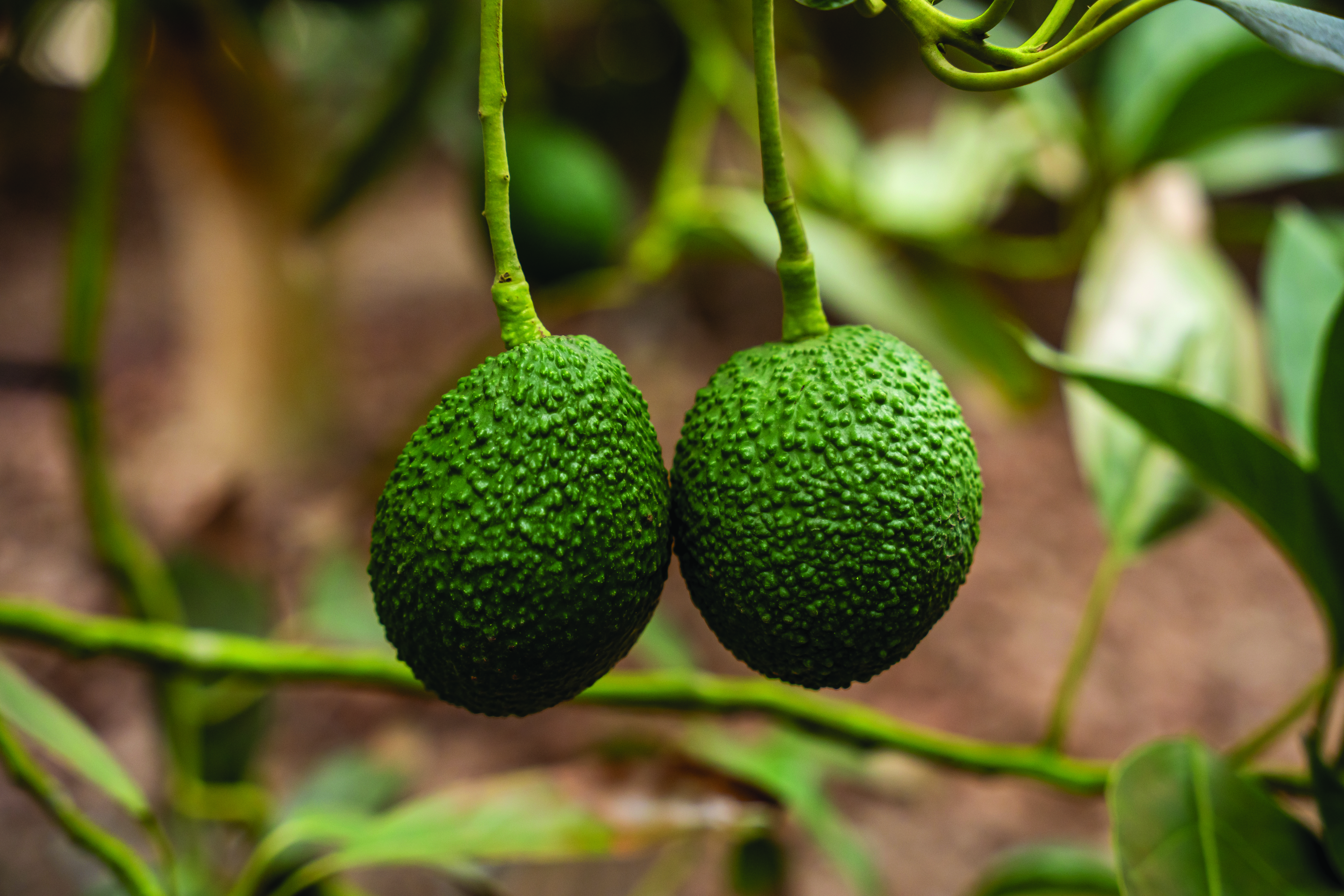
As the Peruvian avocado industry enters another season of significant shipments to the U.S. market, a major effort needs to be on supply chain education.
At least that is the opinion of Jose Antonio Castro, general manager of Agrokasa, a major agro-exporter of avocados and other Peruvian crops. Castro also wears several industry hats, including president of ProHass, formally known as the Association of Hass Avocado Producers of Peru, and chairman of the Peruvian Avocado Commission, the U.S.-based promotion and research organization established under the USDA’s Agricultural Marketing Service.
In a far-ranging interview with The Produce News, Castro said any discussion of the South American country’s 2026 avocado prospects in the U.S. must begin from a macro point of view. Peru has become the world’s second-largest producer of avocados, trailing only Mexico. It is the No. 1 exporter of avocados to Europe and is No. 3 in the United States behind only Mexico and California. In 2025, Peru shipped nearly 230 million pounds to the United States. This year is expected to be slightly lower but still top 200 million pounds.
Castro noted that the volume is even more impressive when one considers the short marketing window in which Peruvian exporters must operate. While Mexico sends its voluminous crop to the U.S. market all 52 weeks of the year and California’s production typically extends about eight months with solid volume, Peru has a truncated season.
“We only have eight to 10 weeks,” Castro said, adding that the short season presents significant challenges that the other producers do not face.
He said almost all of Mexico’s fruit reaches the marketplace after only about five days in a truck. California’s fruit gets to its destination even more quickly. “Our fruit is traveling for three weeks, and then it has to be pre-conditioned,” Castro noted.
This is why the Peruvian avocado expert believes the U.S. supply chain needs significant help in the way of education if Peru hopes to substantially increase its shipments to the United States. Further articulating the challenge, Castro compared Peru’s avocado situation in the United States with what it faces in Europe. In Europe, Peru is the No. 1 avocado importer. As such, suppliers rely on that volume and have taken significant steps to learn how to handle fruit that has been traveling for three weeks or more. Research has been done, and best practices have been created specifically for those avocados. “In Europe, suppliers absolutely handle our fruit in the best way possible,” he said. “Nothing is perfect, but they are doing it right.”
Castro said most major avocado supply chain participants in the United States focus a majority of their efforts on the realities associated with an avocado that is sold only a week or so after it is harvested. The exceptions are the very large retail chains that have become program buyers of Peruvian avocados and the main market for that supply.

The ProHass president readily admits that program sales have been the bread and butter for Peru because the large companies have learned what works. They bring in tens of millions of pounds and have figured out how to condition the fruit and sell it to their customers to its best advantage.
While Castro said it would seem logical that fruit traveling for three weeks after harvest would need to be treated differently than product traveling a week, he doesn’t blame the supply chain actors who are not well versed in the intricacies of handling Peruvian fruit. He understands it can seem to be a steep learning curve, and eight to 10 weeks doesn’t offer a lot of opportunity or incentive to get it right.
Castro noted that perception is a very powerful tool that can be positive or negative. Many of the nation’s top retailers have figured it out and have remained committed to Peruvian avocados for the summer months. They provide their customers with the large size avocados that are Peru’s signature at a reasonable retail price, and everyone is happy.
Other sellers have not had the same experience. Castro said some have not had a great experience and are reluctant to try again. He understands that issue and believes it is paramount that work be done to solve it.
In the long term, if Peru is going to continue to grow its U.S. volume and continue to help the world’s avocado producers grow their most important market, supply chain education is the key. Castro added that while the task seems difficult, Europe has proven it can be done.
And there is no doubt that the United States needs Peruvian fruit in the summer months. From January through early May of this year, Mexico sent an average of more than 63 million pounds of Hass avocados to the U.S. market on a weekly basis. In June and July, Mexico’s volume is expected to be only about half that. And if 2025 is a good gauge, Mexico won’t hit the 50-million-pound mark again until late September.