GLC Cerritos expects a season of promotions
GLC Cerritos expects a season of promotions
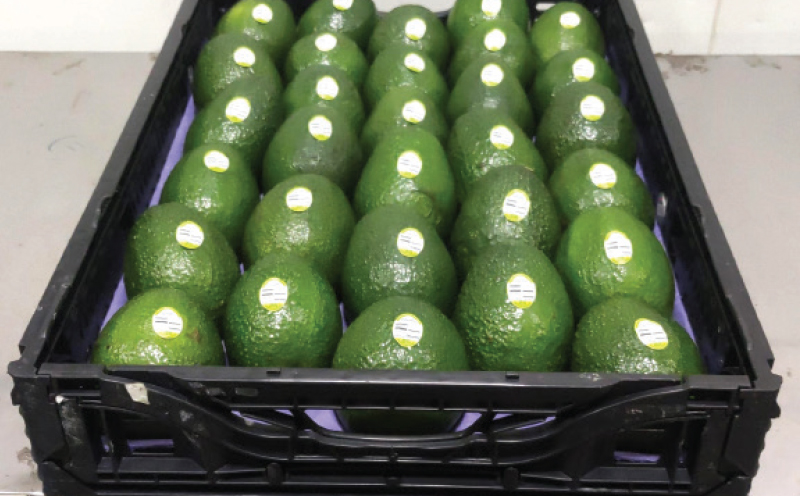
With the expectation of a larger Mexico avocado crop than in past seasons, Oxnard, CA-based GLC Cerritos is anticipating a year of plentiful promotions at very affordable prices.
“APEAM (Mexico avocado growers’ group) and AFM (Avocados From Mexico) are forecasting 20 percent more fruit than last year,” said GLC President Giovanni Cavaletto. “At least for the first half of the year, through the Super Bowl, there should be continuous supplies of large fruit at promotable prices.”
Mexico’s 2025/26 crop year runs from July 1 to June 30, so the season is now in its second quarter with lower-than-usual FOB prices already apparent. Cavaletto reminded that the 2024/25 season featured an abundance of small fruit (60s and 70s and smaller) and high prices well into 2025. “We had $60 and $70 markets well past the Super Bowl (which was in early February),” he recalled. “That all started to change in early April (of 2025) when the threat of tariffs entered the picture.”
Cavaletto said Mexican producers filled the pipeline to get ahead of the expected imposition of the costly tariffs. When the tariff threat was called off, the market was oversupplied. “That’s when the price erosion began and it hasn’t stopped,” he said.
Cavaletto said that the market was still very good through May and into June but it was steadily declining each week and has yet to rebound. “Never in my 30 years in this business have I seen a continuous six-month price erosion.”
He said that the oversupply of Mexico avocados in the U.S. market was followed by much larger crops exported by Peru and Colombia growers and a good crop from California. Retail buyers had many options, which Cavaletto said typically leads to lower prices.
While Mexico production currently has a market share near 90 percent that will last through the Super Bowl, its big crop will most likely keep the FOB price at a promotional level. The situation should be great for consumers.
“Last season, and for the last several years, 48s and larger have been scarce, not this year,” he said. “We have a much larger size curve. For the last few years, we have been convincing retailers to switch to 60s; this year we are telling them to go back to 48s and larger. That’s not so easy. Many retailers liked the 12 extra avocados they were able to sell by their per piece pricing.”
Cavaletto reiterated that the lower retail pricing that can be offered will be great for consumers and help grow the category. “When we get good promotional pricing, it does tend to introduce new consumers to avocados,” he said. “That will be good in the long run.”
Pulling up an early October digital ad from a California supermarket on the Central Coast, he revealed that the promotional price was only 74 cents per avocado. At that retail price, the popular fruit should fly off the shelves with new consumers learning how to make guacamole.
Cavaletto said the key to selling the ever-expanding world avocado supply is finding new customers in the United States, as well as in Europe, Asia, South America and everywhere else. In fact, he thinks lower retail prices everywhere will be the key to returning the FOB price to a better level come next spring. He is hopeful that Colombia and Peru divert more of their supplies to Europe. The avocado industries in both of those countries do have a global vision and will go down that path if the price is right.
As far as GLC Cerritos is concerned, Cavaletto said the company already had to expand its marketing opportunities during the time its supplies were increasing from its Jalisco, Mexico packingshed, but the fruit was not allowed to come into the U.S. market. That restriction was lifted several years ago, which is well timed for GLC’s production expansion. Cavaletto said the organization is expecting its volume to continue to increase as more and more of its acreage matures and becomes certified for export to the United States. Currently one-third of its acreage consists of trees five years old and younger and another third is still waiting for certification. “We do need global demand to continue to increase,” he said, adding that the trajectory is certainly on the right track.