Mission Produce builds avocado supply network to meet demand, quality
Mission Produce builds avocado supply network to meet demand, quality

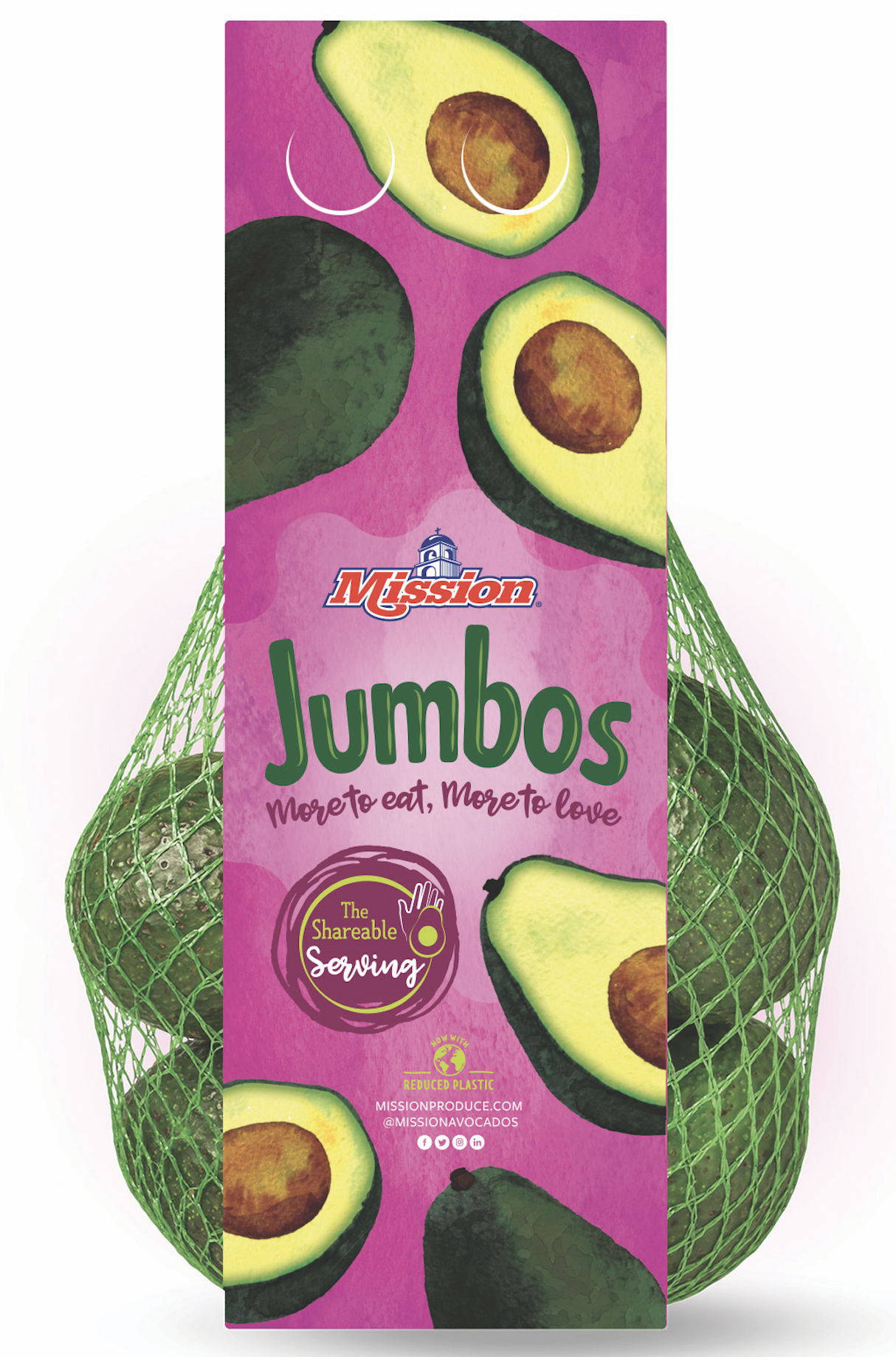 Mission Produce covers its customers’ avocado needs through a deep network of growers, sourcing from more than 15 countries throughout the year to fill customer programs in more than two dozen countries across the globe.
The Oxnard, CA-based avocado and mango company is pulling avocados from at least two countries of origin at all times to satisfy customer needs, said Keith Barnard, senior vice president of global sourcing for Mission Produce.
“Our diversified sourcing strategy not only fills in supply gaps across the calendar but helps us reduce the impact of challenges related to weather, trade or other factors,” Barnard said. “Our customers trust us to deliver because it is always avocado season with Mission Produce.”
In the summer, the main sources of Mission Produce avocados include Peru, Mexico, California and Colombia. Peru’s typical season begins in March or April and can last through September for the U.S. market.
“As one of the largest exporters of avocados from Peru, we believe in the great value Peruvian avocados bring to the U.S. market,” said Brooke Becker, senior vice president of sales at Mission Produce. “They have excellent taste, and the buttery, creamy texture that avocado shoppers know and love.”
Mission Produce is vertically integrated in Peru, with nearly 10,000 acres of avocados, which provides a heightened level of supply security and pricing stability.
“Our Peruvian avocado program offers the convenience of set pricing and scheduling — our customers can set their season with Mission Produce and leave the rest of the work to us,” Becker said.
This set it and forget it model allows retailers to plan confidently and run promotions without worrying about market volatility.
“Our Peruvian program is designed to provide customers with peace of mind: early program locks, reliable supply and stable pricing during the season,” she said.
Peru has delivered strong fruit this spring and summer, Becker said, in terms of quality and sizing. With 54 percent of shoppers rating larger avocados as a better value — according to the Mission Produce Avocado Price Sensitivity Study in May 2024 — they are ideal for entertaining, meal prepping or feeding the whole family.
“With more large fruit available, retailers have been able to bring jumbo promotions back to their programs after several months of smaller fruit from Mexico and Colombia,” Becker said.
In the fall, shipments from California and Peru come to a close, with industry supply switching to Mexico as the main country of origin, with additional volumes from Colombia and Chile.
Mission Produce in April announced the inauguration of its new packhouse in Guatemala, which is expected to be fully operational later this year. Guatemala has two harvests: from about November to March, and another one in June-July, making it a key source of fruit ahead of the Peru and South Africa seasons, Barnard said.
“With two harvests, abundant resources and a central geographic location, Guatemala is set to power year-round avocado supply, and our new facility positions us to meet demand more efficiently with greater quality control,” he said.
While avocado sales/consumption numbers in the U.S. peak around the Super Bowl and Cinco de Mayo, Becker said there are promotions throughout the year, and Mission Produce places a priority on customer education to be prepared for opportunities from January to December. For the annual “Big Game” and Cinco de Mayo, Mission Produce works with partners to design custom programs that meet shopper demand and maximize returns, she said.
Consumers desire value and convenience, driving bagged avocados as the leading driver in the category, Becker said. Mission Produce offers a full portfolio of packaged avocados to match all consumer lifestyles, including World’s Finest, Minis, Jumbos, Emeralds in the Rough, Gems and organic offerings.
According to market research and consumer insight company Circana, from 2019 to the end of 2024, bagged avocado sales have driven 94 percent of the growth in the category, with bagged avocado sales doubling in that time.
Consumers have a variety of usage needs, and offering fruit at various stages of ripeness can elevate a retail location in shoppers’ minds.
“Consumers are looking for avocados that are ripe and ready to eat. On the shelf, ripeness is the most important factor when making an avocado purchase, ahead of price, size and country of origin,” she said, referring to a May 2024 Numerator survey.
Mission Produce typically recommends that retailers and foodservice operators stock several levels of ripeness: stage 3 (ripe in about two days), stage 4 (for slicing and dicing) or stage 5 (ripe for mashing/smashing). What stages to have on hand depends on merchandising strategies or menu offerings.