Kwik Lok acquires KLA
Kwik Lok acquires KLA
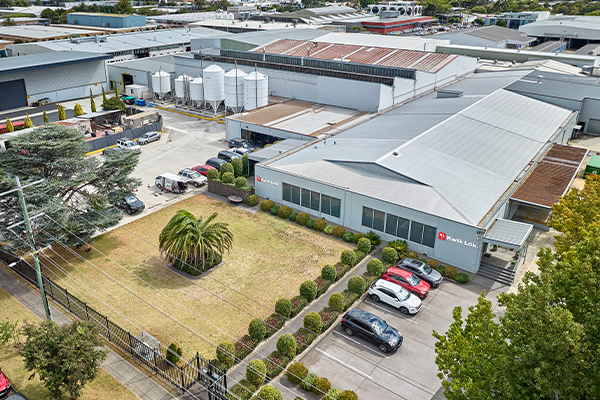
Kwik Lok Corp. has acquired the remaining shares of Kwik Lok Australia (KLA), making the business a wholly owned subsidiary of Kwik Lok Corp., headquartered in Yakima, WA.
The transaction marks an important milestone in Kwik Lok’s long-standing commitment to the Australian market and further strengthens the company’s presence across the Asia-Pacific region. With full ownership now consolidated, Kwik Lok is positioned to streamline decision-making, align its strategic vision, and directly invest in KLA’s market expansion and operational excellence.
As a global company with operations spanning multiple continents, Kwik Lok brings the scale, expertise and resources of a worldwide network to every market it serves. The full integration of Kwik Lok Australia strengthens that global footprint, enabling greater consistency across operations while ensuring the flexibility to respond quickly to regional customer needs. Customers throughout Asia Pacific will benefit from deeper collaboration across research and development, supply chain, and customer support.
“Kwik Lok has always been more than a business — it is a legacy built by our family and the dedicated people who show up every day to serve our customers,” Kimberly Paxton-Hagner, board chair and co-owner, said on behalf of co-owners Stephanie Paxton Jackson and Melissa Steiner. “As the third generation of ownership, we are deeply committed to ensuring this company thrives well into the future. Bringing Kwik Lok Australia fully into the family is a meaningful step on that journey.”
“Customers choose Kwik Lok for performance, innovation, and support they can count on,” said Eric Hill, CEO. “As the global leader in bag closures and closing equipment, we are investing in new technologies that help customers address rising performance expectations, labor challenges and sustainability demands. The full integration of Kwik Lok Australia further strengthens our ability to deliver a consistent, high-value experience across Australia and the Asia‑Pacific region.”