Meijer saves fresh sales with Flashfood
Meijer saves fresh sales with Flashfood
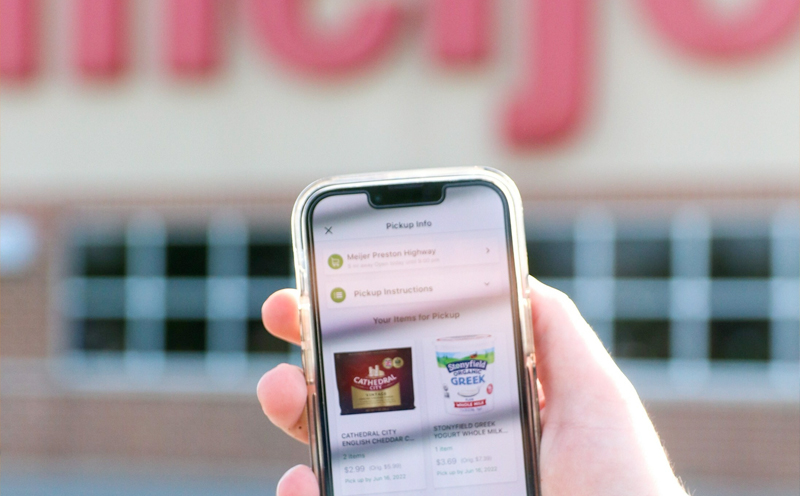
Meijer and its customers have diverted 10 million pounds of potential food waste through the Flashfood app, making it the first retailer nationwide to reach this milestone with Flashfood. According to Flashfood data, the most-purchased item from Meijer via Flashfood is the retailer's produce box filled with various fruits and vegetables.
Since the program's expansion across the Meijer footprint in 2021, customers have purchased 10 million pounds of food on Flashfood, which offers deep discounts on groceries nearing their sell-by dates, preventing it from potentially entering landfills.
"Food is at the core of what we do, and we're always looking for ways to cut down on landfill use because it's the right thing to do for our customers and communities," said Erik Petrovskis, director of environmental compliance and sustainability at Meijer. "Our partnership with Flashfood has already grown beyond our expectations, but this record achievement has us looking forward to the program's future growth."
Meijer launched Flashfood as a pilot program in November 2019 at a handful of its supercenters in metro Detroit. After reducing in-store food waste by 10 percent, Meijer expanded the offering to all its stores in 2021. Today, 264 Meijer stores offer the program, including all the retailer's supercenters and grocery stores.
Through the Flashfood app, customers purchase food nearing its sell-by date, including meat, produce, seafood, deli, dairy and bakery products, at up to 50 percent off. Customers then pick up the food from the Flashfood zone located at the front of Meijer stores.
"We've seen amazing momentum in our partnership with Meijer, particularly after expanding availability of the app across all stores — and we're thrilled to celebrate them as our first U.S. retailer to hit this major milestone," said Brody Slacer, head of partner growth at Flashfood. "Working with Meijer has given thousands of shoppers access to affordable, high-quality groceries while reducing the impact of retail food waste. A rare win-win for people and the planet."