Hardie’s adapts with B to C produce boxes
Hardie’s adapts with B to C produce boxes
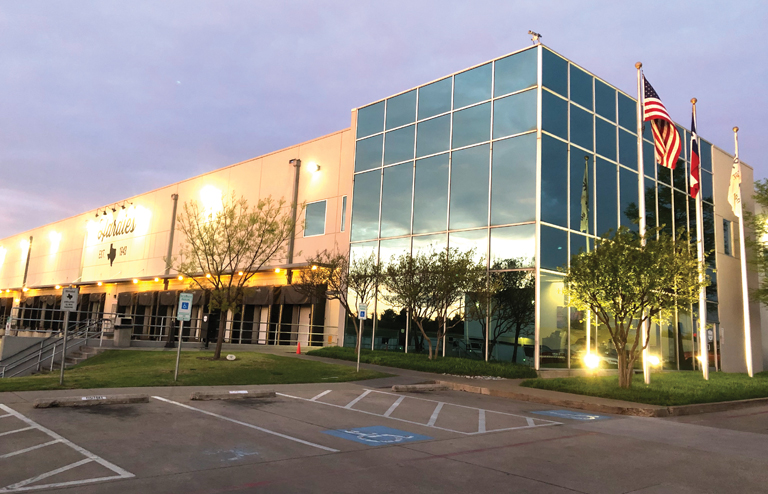 Hardie’s Fresh Foods has a long history of adaptation: expanding its reach, adding to its product line, growing its customer base, even changing its name. Now it is pivoting to answer challenges presented by COVID-19 and the shuttering of much of its traditional business.
The company opened in 1943 with a spot on the old terminal market in Dallas as Hardie’s Fruit & Vegetable. That market area has turned into a hot spot for millennials, while Hardies has evolved into a go-to distributor for the chef-owned restaurants that populate that area and the rest of Dallas as well other foodservice establishments in Austin, San Antonio and Houston. The company added to its fresh produce product line a decade ago by adding cheeses and other proteins, leading to its current name.
Its customer spigot turned off almost overnight during mid-March when the novel coronavirus started to take its toll on the Texas economy. The first jolting announcement was that the South by Southwest Conference & Festival, a huge nine-day event, was cancelled. Shortly thereafter, restaurants learned that they were no longer going to be able to offer in-store service.
“We had 48 hours to put together a new business model,” said chief executive officer of the Dallas-based company, Greg Rowe, who merged his firm (Five Star Produce) with Hardie’s 15 years ago. “We are a $275 million company and you have to do something when your account receivables come to a screeching halt.”
Initially, the company had to cut back on expenses by cutting the pay of the management team, furloughing staff, reducing its delivery schedule, and negotiating with its landlords concerning its own facilities. After a brainstorming session, Hardie’s decided to offer direct sales to consumers. It quickly embraced the 21st century pop-up concept, which has seen everything from restaurants to museums to specialty stores opening up in temporary quarters, and launched the pop-up farmers market.
Using the mostly empty parking lots of some of its restaurant customers, the firm prepared boxes of fresh produce and the other goods that it sells (cheeses, for example), slapped a $20 per box price tag on the offering and loaded up its trucks. Rowe said it was a great opportunity for the company to generate revenue and it also helped the restaurant owners attract customers to their new take-out programs. Since the initial launch, Hardies has held many of these farmers market in its three major marketing areas selling thousands of boxes of fresh produce. It often partners with the restaurant in each location as customers can get both a box of produce and some restaurant-generated food at a package rate.
“It has become very popular,” Rowe said. “Social media has exploded as we use both our own social media and the restaurant’s social media to invite customers.”
On its new website, hardiesdirect.com, the company also offers consumers the opportunity to shop online one day and pick up a box of produce from one of its warehouses the following day.
While the pop-up farmers market will disappear when things get back to normal, Rowe said the direct-to-consumer boxes appear to be a new business direction that the company can further develop.
Rowe was quick to note that these new business ventures are by no means replacing the volume the company once had. They are, however, reducing the burn rate of capital and allowing Hardie’s Fresh Foods to hire back some of its workers and continue to work with many of its longtime customers. Rowe said the gratifying takeaway from the experience is how everyone in the community is working together to get through these difficult times.