Why floral is one of perishable’s toughest tests
Why floral is one of perishable’s toughest tests
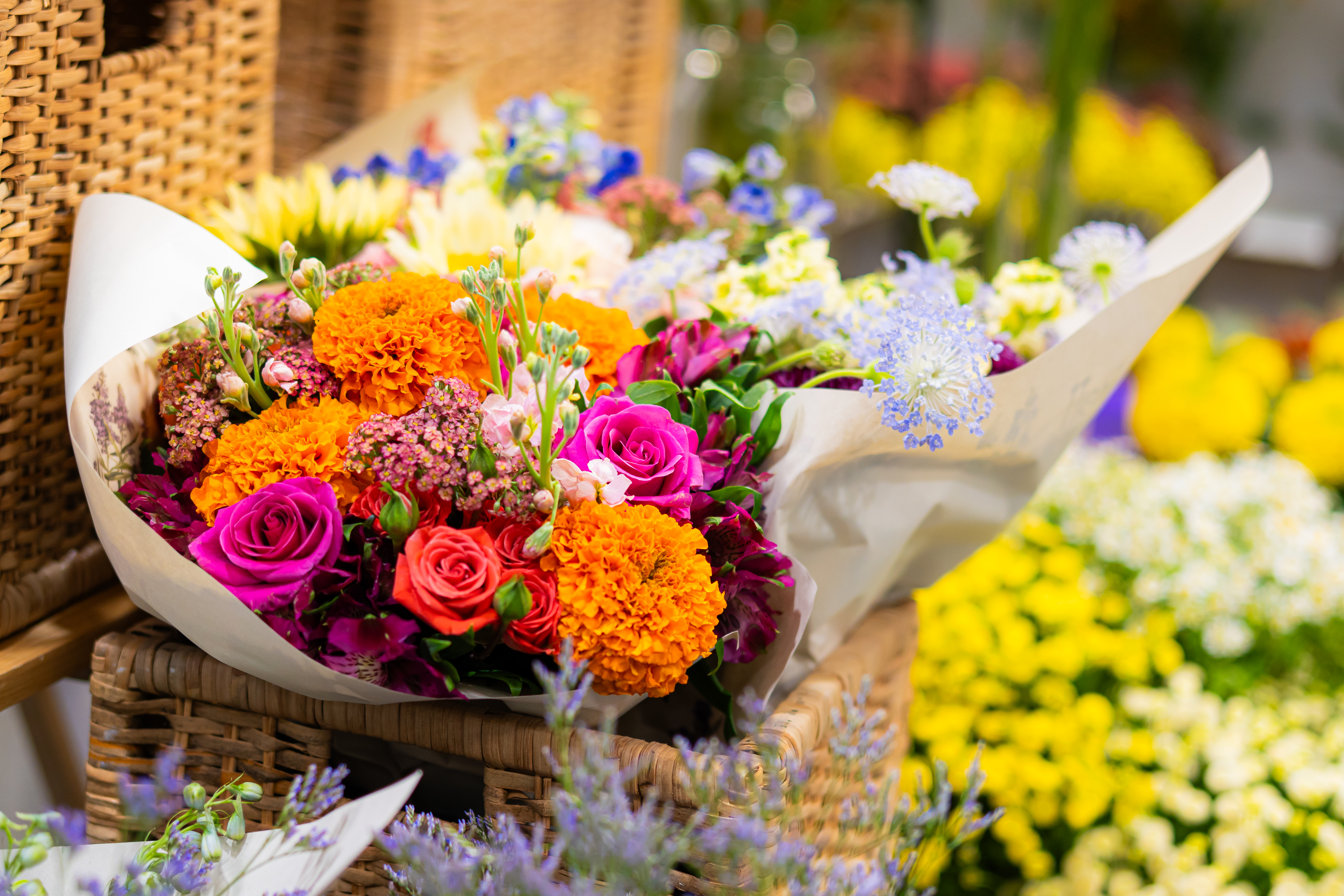
Floral is one of the most operationally sensitive categories in fresh. It moves fast, responds quickly to disruption and leaves little room for error. In a category where timing, temperature, handling and consumer demand all intersect, even the smallest misstep can have immediate consequences.
That sensitivity is exactly what makes floral such an important model for the rest of the industry.
In many ways, floral serves as a real-world stress test for the systems, strategies and partnerships that keep fresh moving. If a process works for floral, there’s a good chance it can work for anything.
Perishability creates pressure
Every fresh category faces perishability. Floral simply feels it faster.
Unlike many produce commodities, where shelf life may shorten gradually due to transit or handling issues, floral often has no recovery window once compromised. A delay at the border, a break in the cold chain or a few extra hours in the wrong environment — what starts as a small disruption can quickly create unsellable product.
That reality shows up in the numbers. On average, floral shrink rates sit around 9 percent, compared with 6 percent in produce. While both numbers represent real operational and financial challenges, floral’s slightly higher shrink rate underscores just how narrow the margin for error can be. The difference is not just in spoilage — it’s in consequence.
In floral, hours matter more than days. There is no “catch-up” once quality declines.
Precision logistics are non-negotiable
Floral doesn’t just rely on logistics. It relies on precision logistics.
Cold chain integrity is essential from farm to final destination. Product must move quickly, consistently and under carefully managed conditions to preserve quality and maximize shelf life. And floral’s supply chain is often more exposed than others. About 80 percent to 85 percent of fresh-cut flowers sold in the U.S. are imported, accounting for over $3.3 billion worth of product, increasing reliance on air freight, customs clearance and cross-border efficiency. Even short delays can affect quality, availability and margin.
Freight volatility has also remained a challenge, with transportation costs fluctuating significantly in recent years, putting additional pressure on already sensitive categories.
This is where interoperability, visibility and real-time data matter.
The more connected our systems are — from growers and importers to wholesalers and retailers — the faster our industry can react and the more resilient we become.
 The cost of being wrong is higher
In floral, mistakes are expensive. Over-ordering often results in immediate shrink and loss.
Under-ordering can mean missed revenue during some of the year’s most critical moments, such as Mother’s Day, Valentine’s Day, Easter and other high-demand occasions when floral purchasing is emotional, intentional and often time-sensitive.
Labor also plays a critical role. Floral requires skilled handling, merchandising and forecasting precision. Product is delicate, demand can be unpredictable, and affordability remains top of mind as consumers become increasingly selective in their purchases.
Today’s shoppers are balancing celebration with budget. They continue to seek beauty, meaning and connection, but value matters. Recent consumer insights from IFPA show that affordability remains top of mind, with many shoppers becoming more selective and purchasing with greater intention rather than impulse.
For retailers and suppliers alike, this creates a balancing act among quality, availability and price.
What floral can teach the industry
Floral operators have long been navigating volatility. They plan for the unexpected, moving quickly and making decisions in real time. They build systems designed for worst-case scenarios because they have to. And there are lessons here for every category in fresh.
Floral teaches us that:
- Speed is a competitive advantage. The faster you can react, the more value you preserve.
- Cold chain investment is a stability investment. Infrastructure matters.
- Visibility reduces risk. Better insights lead to better decisions.
- Resilience is built before disruption happens. Preparation is everything.
This is not just about flowers. It’s about how the entire fresh industry can become stronger by learning from one of its most demanding categories.
Turning volatility into visibility
Floral operators don’t just react to risk — they plan for it.
That’s why tools like IFPA’s Global Intelligence Engine (GIE) are becoming increasingly important across fresh. With access to real-time insights on pricing trends, trade flows, supply movement and market shifts, members can identify disruptions sooner, anticipate demand changes, and make smarter, more informed decisions before challenges impact the shelf.
Floral leaders have long operated under pressure. With the right tools and data, the broader industry can operate with that same level of precision.
Because floral isn’t fragile — it’s a proving ground for resilience.