Customized Brokers gearing up for Chilean asparagus, citrus and avocado imports
Customized Brokers gearing up for Chilean asparagus, citrus and avocado imports
“Chile had many issues this season, including strikes, weather and the implementation of new requirements for Chilean blueberries by the U.S. Department of Agriculture Animal and Plant Health Inspection Service due to detections of European Grapevine Moth or Lobesia botrana,” said Nelly Yunta, vice president of sales, marketing and customer care, liner and logistics business groups for Crowley Maritime Corporation in Jacksonville, FL, and vice president of Customized Brokers, the customs brokerage and consulting division located in Miami. “Regardless, we have seen increases in our volume of entries and we have not seen significant change in the flow of product this season.”
Yunta explained that Customized Brokers, which handles a major portion of perishable imports from countries around the world, has not experienced much of a change as one Chilean seasonal product movement ended and another one began this season.
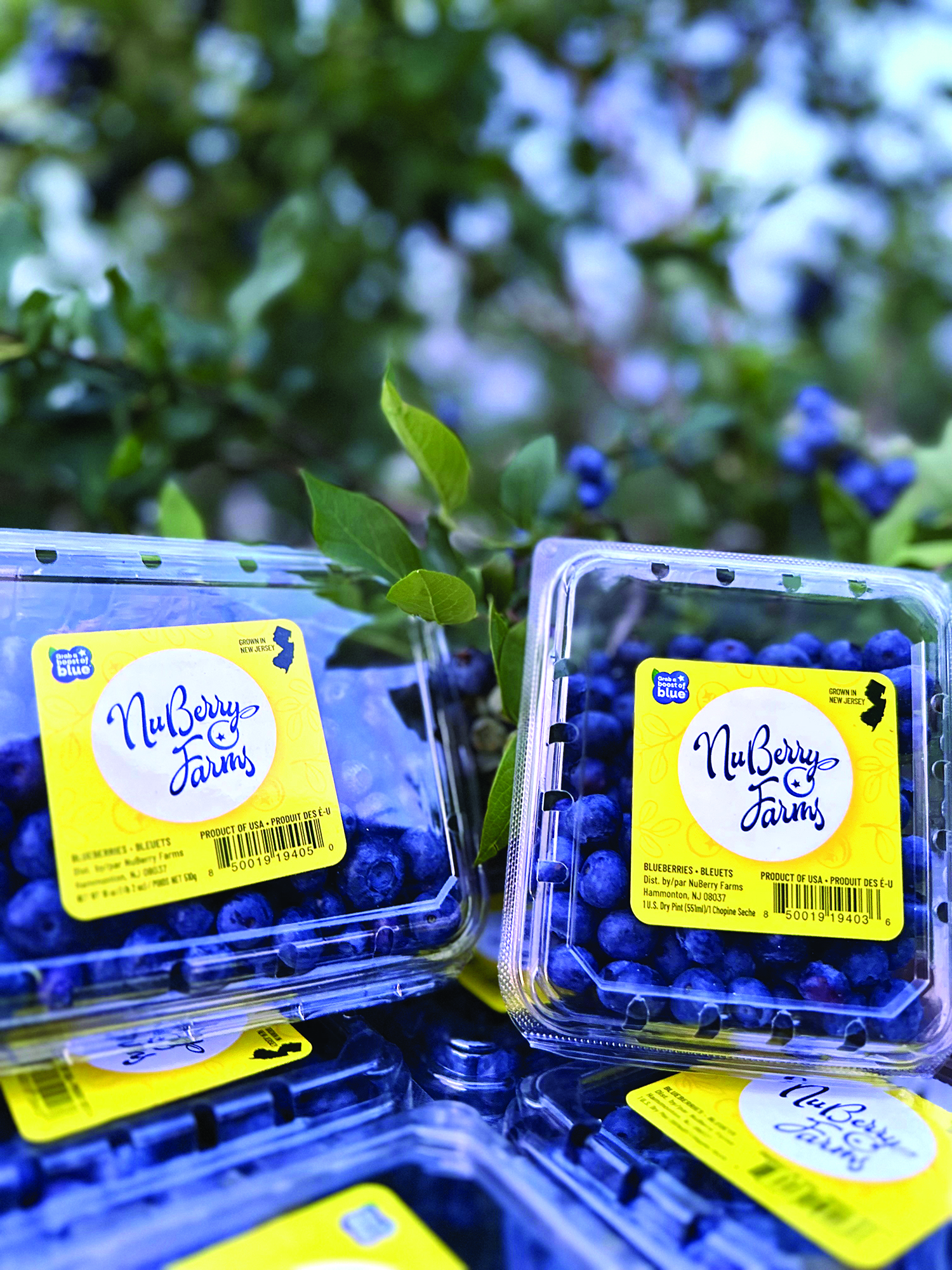
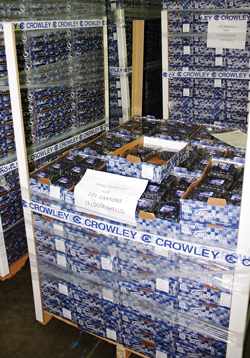 Chilean blueberries at the Crowley Fresh facility in Miami. (Photo courtesy of Crowley Fresh)“Right now we look forward to asparagus, citrus and avocado imports,” she added.
She noted that during this season some issues have surfaced at ports, primarily in the Northeast, regarding clearance procedures that have and continue to hold up shipments.
“The Northeast ports continue to have issues with inspections. Centralized Examination Station, commonly referred to as CES facilities have been congested, lacked adequate chassis and experienced closures due to weather, all of which have delayed clearance process considerably.”
The Customized Brokers’ team maintains strong relationships with various government entities, including the Food and Drug Administration and the U.S. Department of Agriculture. Personnel regularly receive training from these organizations that help facilitate processing.
“Several of our staff members attend FDA, USDA, Agricultural Marketing Services and Customs and Border Protection meetings, seminars, webinars and more, and then we later train the rest of the staff in what they’ve learned,” Yunta said.
She added that maintaining a strong relationship with the U.S. government makes it easier to find solutions for its customers’ importing needs.
“It’s easier to rectify any potential issues that may arise with the USDA, for example,” she said. “And when a company such as ours does it all for our clients — from booking at origin to final delivery, this is a very important factor.”
She also explained that while every country has different regulations, one critical step that shippers and exporters need to take before sending perishable goods to the United States is to register the vessel with the FDA.
Additionally, shippers and exporters need to have a “10+2” Importer Security Filing with the CBP, and all wood pallets must be treated at origin and marked with the appropriate stamp.