Blueberries have earned a place in Florida agriculture
Blueberries have earned a place in Florida agriculture
Twenty years ago the thought of a major blueberry festival or a scientific training center honoring the fruit would have been unthinkable in Florida. Mainly because 20 years ago there was little to celebrate or research.
The development of new blueberry varieties that require far fewer chill hours to bear revolutionized the industry not only in the state but as a whole. A few visionary Florida farmers and researchers at the University of Florida Institute of Food and Agricultural Sciences (IFAS) knew there was a major market opportunity in the six-week window between the end of the Chilean import season and the beginning of the Georgia and Carolinas deals.
But existing varieties simply could not be coaxed into producing during that window. Constant tinkering and modern science provided the answer in the form of the Southern Highbush cultivar that immediately launched an industry and this year will provide most of Florida’s 25 million pound crop.
In the wake of that, Florida has quickly recognized blueberries as a significant contributor to the state’s ag economy. As production boomed, so did recognition.
A weekend festival that began three years ago has become a major cultural event. The Florida Blueberry Festival, scheduled for April 9-10 in Brooksville, FL, may not yet rival the legendary Florida Strawberry Festival, which features A-list entertainment and draws tens of thousands annually, but it has become a well-attended high-profile event in its own right.
This year’s Blueberry Festival will draw thousands for events like a monster truck show and entertainment by country music chart-toppers Blackhawk and southern rock legends The Outlaws.
And while the general public celebrates the contributions of fruit to Florida, work will be continuing at the University of Florida’s $4 million, 19,760-square-foot Straughn Extension Professional Development Center in Gainesville, FL, and used for professional development and training activities for IFAS Extension faculty.
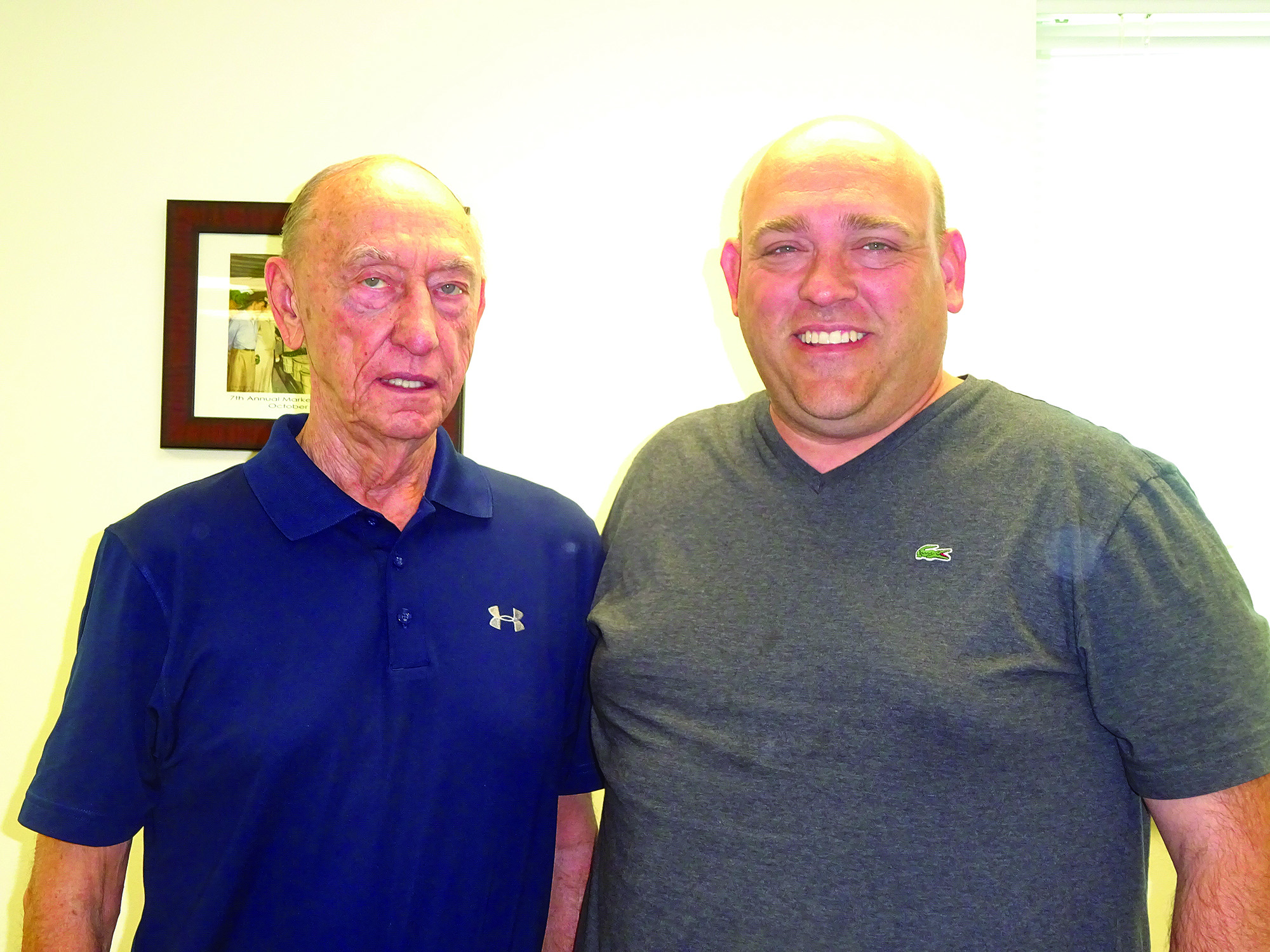
Alto Straughn is typically regarded as the father of the Florida blueberry industry. Already a member of the Florida Agriculture Hall of Fame, Straughn’s efforts on behalf of all Florida agriculture and his direct involvement in and support of IFAS led the school to name the center in his honor.
Straughn graduated from UF with a master’s degree in animal science and in 1959 began work as an IFAS Extension agent in Marion County, FL. Three years later he earned a Kellogg Fellowship and graduated from the University of Wisconsin with a doctoral degree in extension administration in 1963.
He returned to the Florida Extension Service and became director of program evaluation and organizational development in 1971. At the same time Straughn was developing his own agricultural interests, including beef cattle, blueberry, watermelon and timber farming operations that now sprawl across 2,000 acres near Gainesville.
Straughn began the Florida blueberry industry’s move away from later-bearing rabbiteye varieties to today’s Southern highbush varieties in the late 1980s, paving the way for a profitable industry in the state. He has been an innovator in freeze protection methods, pollination techniques, harvesting methods, and packing and distributing. He pioneered growing blueberries in pine-bark beds under plastic mulch and tunnels, using drip irrigation and fertigation. Many practices now common among Florida blueberry growers were developed by Straughn, whose farms still produce a significant percentage of the state’s blueberry crop.
Straughn has also been an innovator for the Florida watermelon industry, becoming the first North Florida farmer to grow and market seedless watermelons on a large scale 20 years ago.
A half-century into his career, Straughn is still an active member of the Florida Farm Bureau, the Michigan Blueberry Growers Association, the National Watermelon Promotion Board, the North American Blueberry Council and the Florida Blueberry Growers Association. He has provided financial support for graduate students in UF’s College of Agricultural and Life Sciences and created endowment funds for extension and 4-H extension faculty.