Adapting is key to success, says Roundy's CEO
Adapting is key to success, says Roundy's CEO
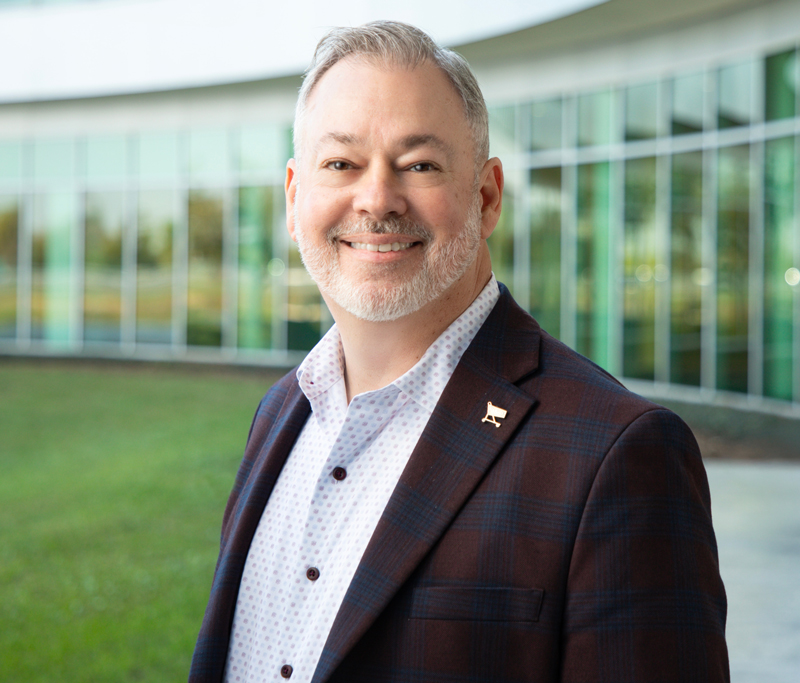
Retailer Bob Mariano kicked off the United Fresh Produce Association convention in Chicago with a rousing endorsement of brick and mortar food retailing, though he admitted adaptation is the key to success, as it always has been.
But the current chairman, president and chief executive officer of Roundy's Inc., a Midwest supermarket chain based in Milwaukee, WI, does not believe supermarkets will take the path of bookstores in the face of online retailing. He believes the sensory nature of food will always resonate with consumers and they will want that hands-on experience.
That does not mean that Mariano believes the status quo will suffice. "Change is constant," he said.
Retailers have adapted to many changes in the past and will continue to do so. He marveled at the fact that he can now buy cheese in his local hardware store, along with a hammer and nails and other traditional tools. Today, he said, customers have access to food shopping from many more channels than ever before.
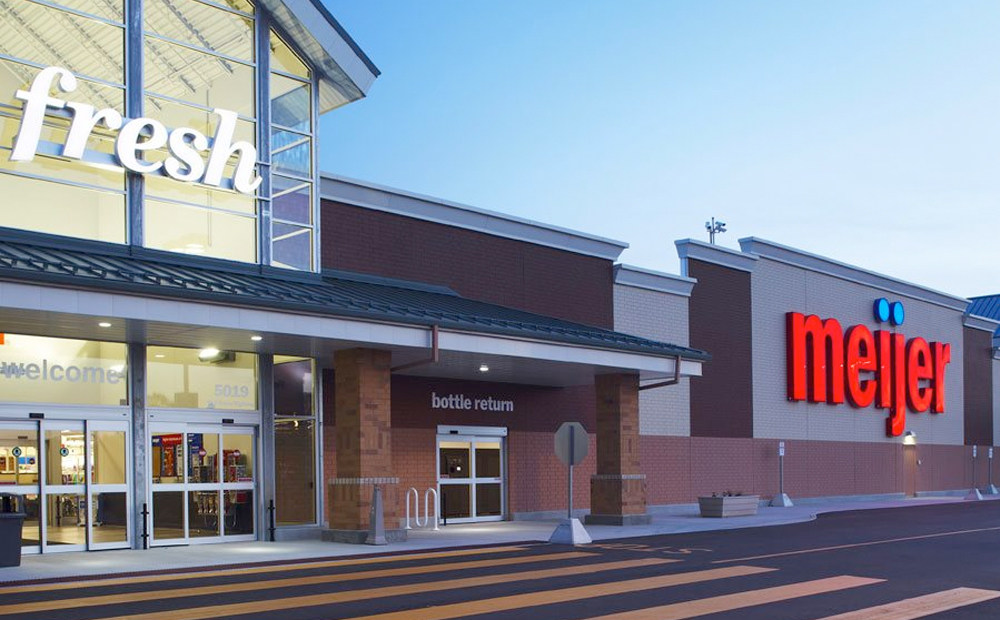
In fact, the Roundy's CEO launched his own new venue a few years ago in the Chicago-based Mariano's chain. There are now 30 of these retail outlets throughout the Chicago metropolitan area. In designing these stores, the Roundy's president drew from his experience of working for and running Dominick's Finer Foods in Chicago for most of his career.
He said at Mariano's they "celebrate food" rather than just sell it. To his line of thinking, that is what will appeal to today's consumers, especially millennials.
He said today's consumers no longer believe they need to choose between healthy, good-for-you food and good-tasting food. They want both, and the produce department is where thy can find it. He characterized Mariano's "as the physical convergence of fresh and fun" in the food world.
Driving this change is millennials, said this Baby Boom Generation CEO. He noted that 75 percent of the growth in food sales over the next decade will be fueled by millennials. Sometime in 2015, it is projected that millennials will become the largest block of population in the United States, supplanting Baby Boomers, who have held that title through several generations.
"Millennials want to enjoy eating healthy," he said.
That obviously is great news for the produce department, which Mariano said is the cornerstone of his namesake chain, as well as every other successful retailer in the United States. Consumers are wary of processed foods and want healthy alternatives. Mariano said in some ways "we are going back to the future and the produce department must welcome them back home."
He said the transition toward better-tasting, healthier food is well under way and pointed to the tomato industry as one example. Tomatoes, he said, have become a $1.4 billion business by expanding their offerings and appealing to this consumer need to have fun food. The category has exploded in the last 10 years with new varieties, colors, shapes and sizes.
The Mariano chain is trying to capitalize on this trend with new departments in the store such as a juice bar. He urged the crowd to come by one of the stores while they are in Chicago and try a "super kale smoothie." He admitted that three years ago he hardly knew what a juice bar was.
Mariano's also engages its customers in other areas as the stores include a wellness shop and cooking classes. When talking to customers, associates are just as likely to give them a recipe as tout an item on sale. The chain has also got very involved with the community and Mariano said he feels an obligation to help eradicate food deserts that leave urban consumers without healthy choices. The chain is currently building a store in Chicago's South Side to give thousands of residents access to a supermarket within walking distance of their homes.
Organics is another area where Mariano sees continued growth. He noted that research shows that 44 percent of millennials place a great deal of importance on organics compared to only half that many baby boomers. It has become a $13 billion business with annualized growth of 11 percent. One third of organic sales are in produce and it represents about 12 percent of produce sales, he said.
In creating similar retail successes, Mariano urged the audience to "listen...listen to your customers, your people and your trading partners."
Produce, he said, is "perfectly positioned" for big growth and he reiterated his proposition that people will always want to touch what they are going to eat. They might not need to do that with regard to the books they read or the devices they plug in, but when they put something in their body they want to touch it and smell it, he promises. Mariano has built a career on that belief and he expects that idea to live on his legacy supermarket chain.