Trendspotting: Expect steady, nuanced growth for fresh produce in 2026
Trendspotting: Expect steady, nuanced growth for fresh produce in 2026
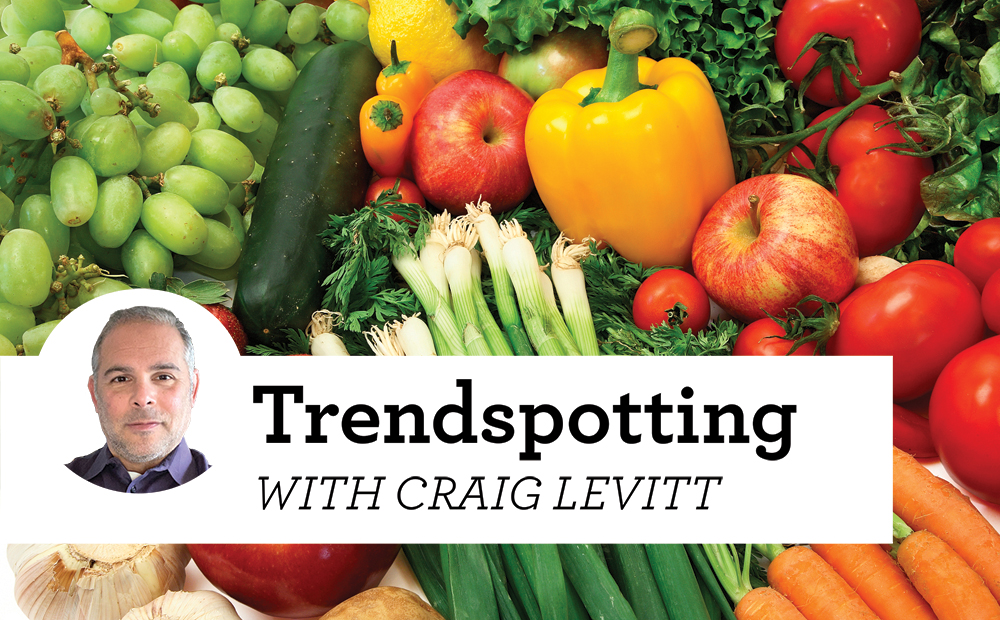
The produce industry — from growers to shippers to marketers to retailers — works tirelessly to put fresh fruits and vegetables onto consumer plates. Slowly but surely that hard work is paying off. According to insights from Circana’s recently released Future of Produce report, steady but nuanced growth for the fresh produce industry is expected through 2026.
The new research projects dollar sales to rise approximately 2 percent year over year, while volume growth is expected to remain modest. This outlook underscores the continued influence of inflationary pricing and shifting category dynamics on consumer purchasing habits.
While the forecast predicts overall stability, performance will vary significantly across the department. Fresh fruit is expected to outpace the department average, driven by strong consumer demand for snacking options and newer tropical varieties. Conversely, fresh vegetables face a more challenging landscape, highlighting a critical need for innovation in consumer-friendly formats, marketing investment to keep pace with consumer-packaged goods for share of stomach and ongoing value positioning to reinvigorate sales.
“Despite so many positive tailwinds around U.S. consumers’ interest in natural, fresh and healthier eating patterns, the fresh produce industry sales forecast is modest and pound volume surprisingly flat through 2026,” said Jonna Parker, vice president of fresh foods, Circana. “As the category evolves, brands that innovate around convenience, health and affordability will lead the next wave of growth. The slow erosion of the volume growth rate over the next three years feels like missed potential, pointing to what could happen if fresh fruits and vegetables continue on their current trajectory of focusing on just providing ample supply without deeply understanding today’s consumers.”
To capitalize on these insights, the report outlines several strategic imperatives for industry leaders. Parker emphasizes the necessity of elevating value messaging to justify spend among price-sensitive shoppers and investing in convenience through meal solutions and pre-cut options. Additionally, leveraging health and sustainability attributes remains vital, as does embracing digital engagement to reach younger consumers where they shop and seek inspiration. Without focused investments in driving demand, the industry risks modest results in an environment ripe for innovation.
The Future of Produce includes three-year sales, volume and pricing forecasts plus detailed consumer survey responses in a dynamic online tool for total fresh fruits, fresh vegetables and more than 30 individual commodities.