In the Trenches with Ron Pelger: AI is restructuring the produce industry
In the Trenches with Ron Pelger: AI is restructuring the produce industry
I recently had a weird experience with my smartphone that was not only surprising, but also partially embarrassing. I was driving along the highway and wanted to make a call to a produce associate. I used my hands-free voice system to do it. I told Siri to make the call, and she replied asking which person I wanted. I repeated the person’s name and again she asked which one. Her question kept on looping repeatedly.
This exchange continued and I became frustrated. After a back-and-forth with Siri, I let go of an expletive. Siri angrily said, “That’s not appropriate, Ron.” I was stunned by Siri’s reply. It was as though it was sitting in the back seat of the car scolding me.
This experience fueled a concern over my privacy and the devices I always use. I’m a devout techie who supports artificial intelligence as the next level of the modern world, but this Siri incident is like something out of a science fiction movie.
There was a sci-fi movie released in 1956 titled 1984, based on the George Orwell novel Nineteen Eighty-Four, that portrayed a society without personal freedom that used fear and surveillance cameras to control every aspect of life. It was a nightmarish film that was about big brother watching every move and conversation of people. Siri reminded me of that movie.
Now in 2026, we welcome artificial intelligence. It is assisting many operations in the produce industry to enhance efficiencies. It analyzes data and identifies market trends among consumers to make faster accurate decisions for companies.
Here are some of the basic advantages of AI:
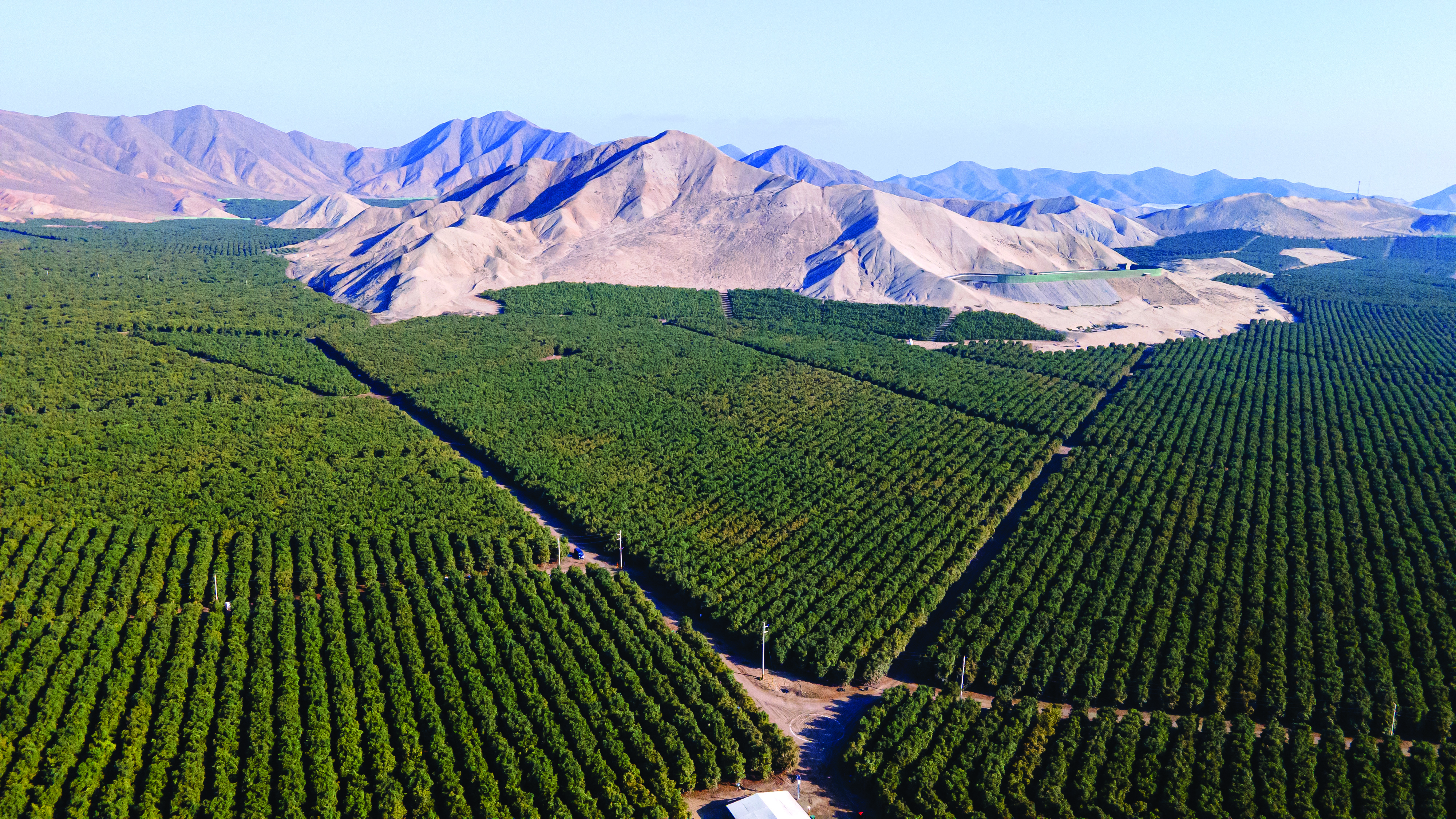
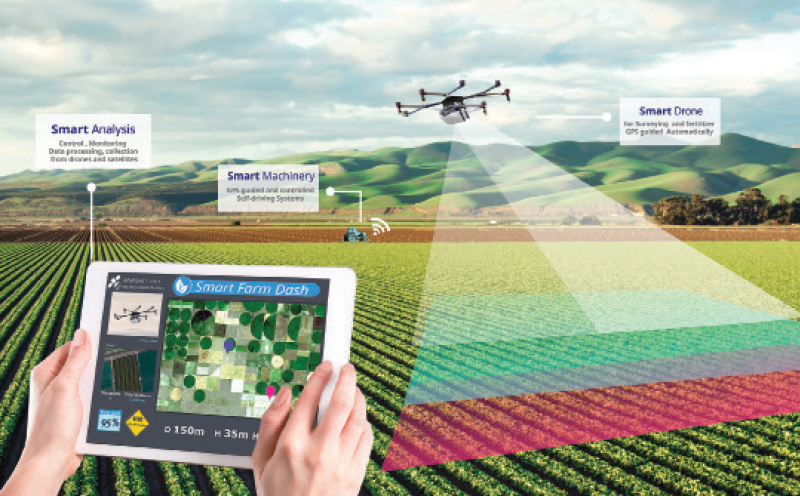 Farming Benefits: Crop inspection with drones analyze crop conditions for higher yields. Robotic vehicles are used for planting, weeding and harvest products. Forecast advanced weather data and product demands to prevent losses from risks. Sensor applications to administer watering, fertilizer and pest control to reduce waste. AI also applies its use during labor shortages.
Produce Shipping: AI sensors track load temperatures and foresee possible breakdowns. AI technology scans to confirm quality and condition prior to loading product. It sets efficient delivery routes based on analyzing weather patterns, traffic conditions, road construction and fuel usage.
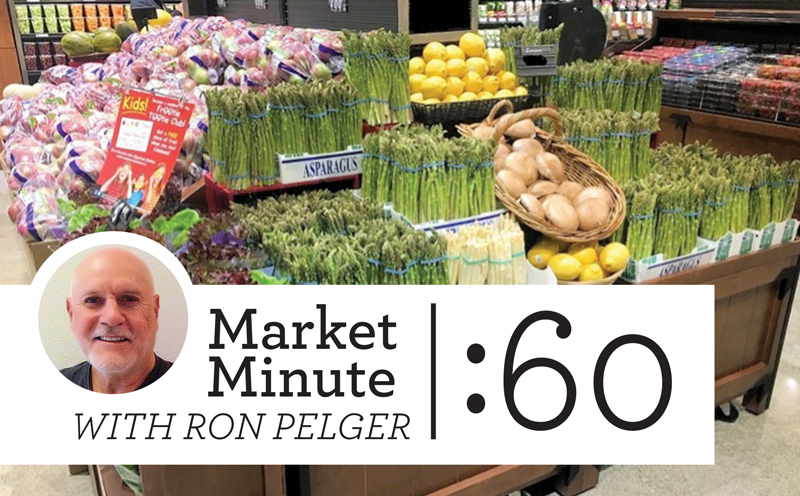
Produce Department: AI analyzes sales patterns and consumer shopping behaviors to enhance in-store produce merchandising. AI data transitions manual ordering to automatically replenish products and reduce out-of-stocks. AI analyzes consumer sales data along with their produce preferences to project the item demand. Advertising sales data allows AI to focus on the most popular consumer demand products for promotions. AI precision amounts for displays can control inventory and reduce shrink waste by up to 15 percent. Automated systems like robots can handle day-to-day tedious tasks like cleaning, floor care, scan product shelf tags and check correct prices.
Artificial Intelligence is here to stay, and it offers many advantages for the produce industry — especially with retailers. The massive data-driven information that AI analyzes delivers improved productivity and efficiency to companies and streamlines its operations. It can handle routine everyday tasks by shifting manual work to automated systems and reduce labor costs.
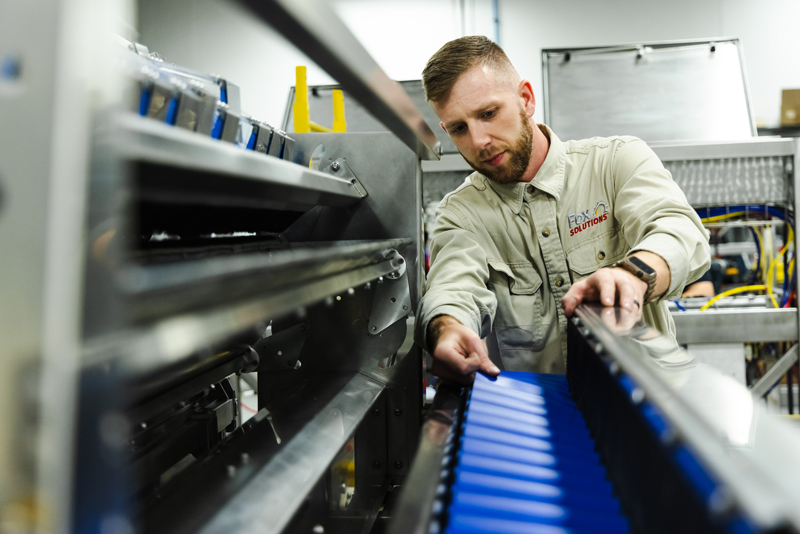
AI is partnering with the produce industry. It is shifting all levels from a former period to new phases of operating automated systems. AI is in the process of restructuring the entire retail produce operation with its data-driven capabilities. It will utilize robots to navigate by doing more tedious physical work. This will allow workers to focus on stocking displays and maintaining the produce department requirements.
The future of produce will rely heavily on artificial intelligence in every facet of the operational system. Farming will improve through advanced technology. Shipping will upgrade its services immensely through the applications of AI software. Distribution centers will receive, inspect, unload and select more efficiently using AI data guidance. Retailers will eliminate outmoded labor systems and rely on advanced AI machine technology to operate produce departments.
AI is expected to increase sales and profit for companies and investors over the next 25 to 50 years. It is already starting to increase the global economy. While AI is predicted to handle 30 percent of routine tasks that means people will still be responsible for the other 70 percent.
Ron Pelger is a former director of produce merchandising and procurement for a major supermarket retail chain. He is currently a free-lance writer for the produce industry supporting growers, shippers, and retailers. He can be contacted at 775-843-2394 or by e-mail at [email protected].