PBH’s general session jam-packed with people, presentations and new ideas for promoting produce
PBH’s general session jam-packed with people, presentations and new ideas for promoting produce
SCOTTSDALE, AZ — The general session for the Produce for Better Health’s annual conference took place Tuesday, April 5, at the Omni Resort & Spa at Montelucia, here, and was jam-packed with people, presentations and plenty of ideas for promoting produce.
“What strikes me the most about people in produce is their passion,” Howard Nager, chairman of the PBH board of directors and vice president of marketing for Domex Superfresh Growers, said when addressing the packed audience Tuesday morning. “I think that’s what all of us in this room have.” PBH President and CEO Elizabeth Pivonka and Howard Nager, vice president of marketing for Domex Superfresh Growers and chairman of the PBH board, welcome attendees to the opening reception of the 2016 Consumer Connection conference. View more photos from the opening reception here.
Nager went on to introduce the host and moderator of the general session, PBH President and Chief Executive Officer Elizabeth Pivonka, who’s been with the organization since 1991. Over its 25-year history, Pivonka said she’s most proud of the fact that PBH has seen an increase in consumption of fruits and vegetables among its target audience — those 40 years and younger — and feels the organization has played a significant role in that.
“PBH has a good reputation among health professionals and those in Washington,” she added. “We don’t sugarcoat everything. We make sure you know the facts.”
As for her biggest concerns facing the organization and industry, Pivonka noted that juice consumption has been on the decline as is consumption of canned fruits and vegetables, and she warned the many registered dieticians in the room to be more careful when it comes to discouraging consumers to buy these products.
“Sodium is coming from a lot of other places than canned vegetables, and sugar is coming from a lot of other places than juice or canned fruit,” she reminded attendees. “Don’t tell people not to drink juice — a lot of those juices have power to them.”
Those concerns aside, there’s also a lot to be excited about in the world of produce, Pivonka noted. “Having dieticians in supermarkets really excites me,” she said. “I’m also excited about the work we’re doing with students.”
And this work was certainly on display at the general session.
Following Pivonka’s presentation, there were two marketing research grantee presentations given by Maya Vadiveloo from the Harvard School of Public Health and Kathryn Carroll from the University of Wisconsin-Madison. The two research team leads shared their findings and key insights from the past year of field research, data collection and analysis with those in the room.
Following their presentations was the second annual Formula 5 Marketing Competition, which PBH sponsors to offer bright marketing students from across the country the opportunity to influence fruit and vegetable marketing, sales and consumption within the United States.
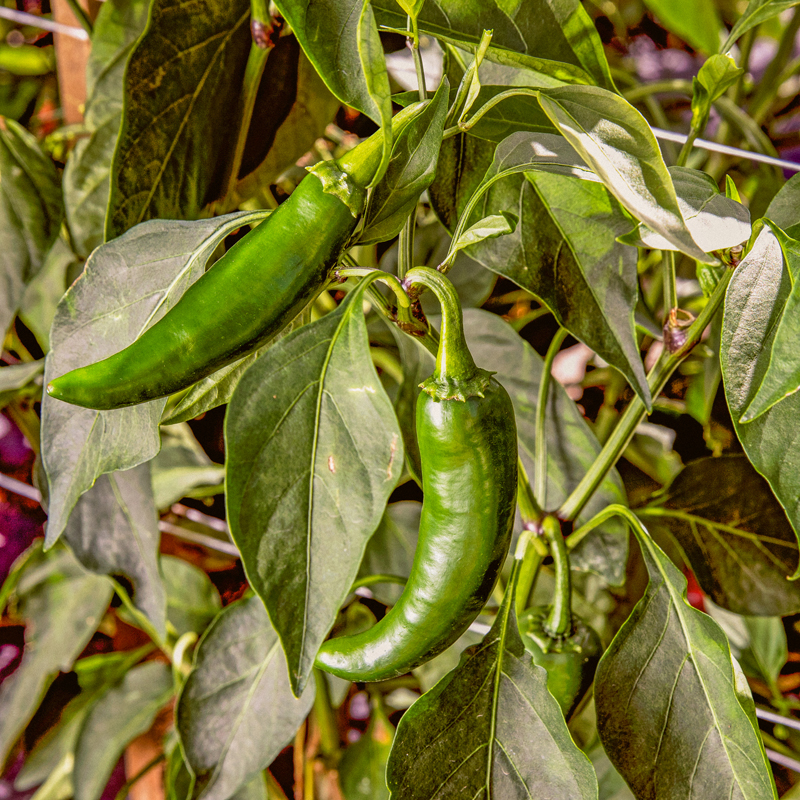
This year’s finalists included marketing teams from Arizona State University (Rob’s Jalapenos), California State University-Fresno (Fresh-Ta-Bowl), Concordia University-St. Paul (Beet Booster), Concordia University-St. Paul (Go Bananas!), Millersville University (Pineapples) and West Chester University (Go Animals!). Team representatives Logan Rohloff, Alexander Horvath, Jordyn Joens, Shea Mandli, Karly Wiest and Krystal Rose gave presentations.
After the presentations were finished, attendees were asked to use the PBH app to vote for which team they thought put together the best overall marketing proposal and plan. The winners of the Formula 5 Marketing Competition were to be announced at the PBH Awards Luncheon on April 6.
With all the information, research, bright ideas and eager minds present at PBH’s General Session, it seems safe to say that the future of the produce industry is in good hands.
“I think the future is really bright for fruits and vegetables as a whole,” concluded Pivonka.