Industry outlook outlined in Philadelphia
Industry outlook outlined in Philadelphia
PHILADELPHIA -- Foodservice sales, local production, produce packaging, consumer information and transportation issues were among the hot topics of discussion in a produce industry seminar held here Dec. 6.
Produce Marketing Association President Bryan Silbermann offered a State of the Industry presentation, which was followed by four industry leaders whose panel discussion addressed some of the issues flagged by Mr. Silbermann.
The meeting, attended by about 50 regional industry members, was held in the new auditorium within the modern offices of Procacci Bros./Garden State Farms.
The panelists were Procacci Bros. President Mike Maxwell; Lisa McNeece of Grimmway Farms in Bakersfield, CA; Marc Solomon of Fisher Capespan U.S.A. LLC in Gloucester, NJ; and Anthony Barbieri of Acme Markets Inc. in Philadelphia. Mr. Barbieri said that Acme is always going to be interested in maintaining -- and expanding -- global supplies for its produce departments. But he said that transportation costs from California create a real need for more sourcing from local growers. Such local sourcing fulfills consumer interest felt by Acme, interest that was also identified by PMA research presented by Mr. Silbermann.
Mr. Barbieri said that consumers like the concept of supporting local farmers but do not have a clear understanding of exactly what that means. Acme accommodates such demand with produce from New Jersey, Pennsylvania and the nearby Delmarva Peninsula.
Mr. Barbieri said that it is difficult to communicate such information to consumers, but the chain has used pictures of growers in departments alongside the products they grow. Such efforts, he said, take selling certain items a step beyond commodities in the direction of value-added items.
Mr. Maxwell added that although retailers see a great deal of interest in buying locally grown produce, these farmers are still constrained by large retailers' need to plan ads well in advance. Mr. Silbermann noted that independent stores, such as Philadelphia's Produce Junction, are well suited for spontaneous promotion opportunities with local growers. Mr. Silbermann also observed that increasing national food safety and security issues limit the old- time practices in which a grower would pack products into old boxes for delivery to stores' back doors.
Mr. Solomon, whose company sells produce from South Africa and other countries throughout the world, said that the United States still lags behind Japan, the United Kingdom and European nations on food safety issues.
Mr. Silbermann said that while U.S. suppliers have long claimed to have "the safest food supply in the world, other countries have a lot more [food safety] requirements and have for a long time."
Mr. Maxwell punctuated a discussion of the importance of food-safety procedures by stating that one bad food contamination error "could change our whole business." Among the precautions Procacci Bros. takes to avoid such situations is sealing trailer containers when they leave the facility to make customer deliveries.
Mr. Barbieri confirmed that food contamination "is a retailer's worst nightmare."
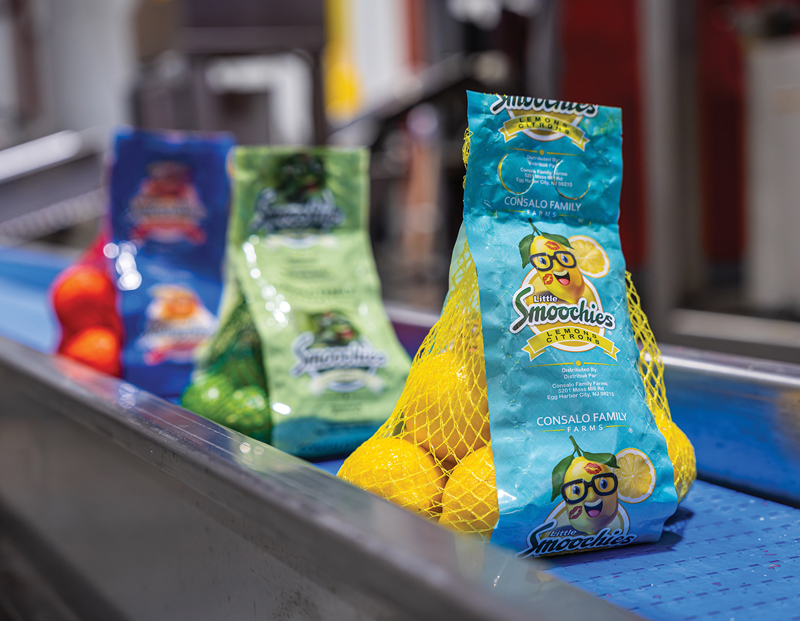
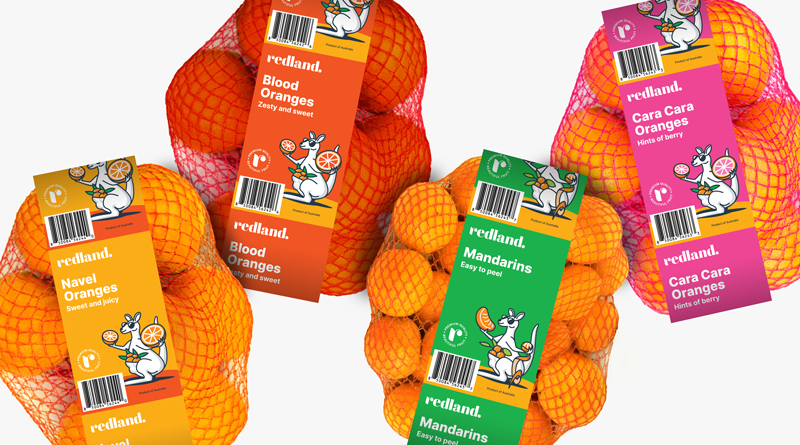
On the matter of packaging, the panelists agreed that it is critical to the future of fresh produce merchandising. Ms. McNeece said that Grimmway has enjoyed strong sales to families with small children since it started using the Sponge Bob character on its carrot bags. In stores, she has heard children begging parents to buy the Sponge Bob carrots - and promising to eat the carrots when they returned home. Ms. McNeece admitted, however, "I don't know if the kids actually eat the carrots when they get home."
Mr. Solomon said that improvements need to be made in packaging. He said, for example, that the bags used to merchandise black grapes do not present themselves well on a supermarket shelf.
Mr. Silbermann's presentation noted a conflict between the trend toward packaging and an opportunity to capitalize on consumer interest in the attractive touch and appearance of fresh produce.
Mr. Silbermann asked the panelists what their predictions were for how the produce industry will change in the next two years.
Ms. McNeece replied that foodservice still offers sales "we haven't tapped into."
Mr. Solomon stated that the produce industry "is in good shape," but he said that taste will become increasingly important to produce merchandising, a sentiment echoed by Mr. Barbieri.
Mr. Maxwell said that organic and specialty products offer retailers a great increase in sales. Those retailers nationwide who have captured the Hispanic market with the right produce items are doing extremely well.
Mr. Barbieri predicted a "continued blurring of seasonality. We've had tremendous success with seedless oranges from South Africa." He said that he would like to source from other areas "currently not on the board" and increase year-round supplies of items like cherries. "All of this global product, if consumers can receive it on a more regular basis - sales will go through the roof." Mr. Barbieri confirmed that produce taste will be increasingly important in years to come.
Mr. Silbermann's presentation reviewed similar research he discussed at the PMA convention in Atlanta in early November. He said that the produce industry began to change rapidly in the second half of the 1990s, with accelerated retail consolidation and greater application of technology. Fifteen years ago, the industry was still fragmented on both the buying and selling sides, "foodservice was not part of the equation, and daily sales were the norm. Global sourcing was for fill-in," and technological resources have changed dramatically.
The industry has matured into a consumer-driven, global, produce-marketing business, he said.
Produce Marketing Association President Bryan Silbermann offered a State of the Industry presentation, which was followed by four industry leaders whose panel discussion addressed some of the issues flagged by Mr. Silbermann.
The meeting, attended by about 50 regional industry members, was held in the new auditorium within the modern offices of Procacci Bros./Garden State Farms.
The panelists were Procacci Bros. President Mike Maxwell; Lisa McNeece of Grimmway Farms in Bakersfield, CA; Marc Solomon of Fisher Capespan U.S.A. LLC in Gloucester, NJ; and Anthony Barbieri of Acme Markets Inc. in Philadelphia. Mr. Barbieri said that Acme is always going to be interested in maintaining -- and expanding -- global supplies for its produce departments. But he said that transportation costs from California create a real need for more sourcing from local growers. Such local sourcing fulfills consumer interest felt by Acme, interest that was also identified by PMA research presented by Mr. Silbermann.
Mr. Barbieri said that consumers like the concept of supporting local farmers but do not have a clear understanding of exactly what that means. Acme accommodates such demand with produce from New Jersey, Pennsylvania and the nearby Delmarva Peninsula.
Mr. Barbieri said that it is difficult to communicate such information to consumers, but the chain has used pictures of growers in departments alongside the products they grow. Such efforts, he said, take selling certain items a step beyond commodities in the direction of value-added items.
Mr. Maxwell added that although retailers see a great deal of interest in buying locally grown produce, these farmers are still constrained by large retailers' need to plan ads well in advance. Mr. Silbermann noted that independent stores, such as Philadelphia's Produce Junction, are well suited for spontaneous promotion opportunities with local growers. Mr. Silbermann also observed that increasing national food safety and security issues limit the old- time practices in which a grower would pack products into old boxes for delivery to stores' back doors.
Mr. Solomon, whose company sells produce from South Africa and other countries throughout the world, said that the United States still lags behind Japan, the United Kingdom and European nations on food safety issues.
Mr. Silbermann said that while U.S. suppliers have long claimed to have "the safest food supply in the world, other countries have a lot more [food safety] requirements and have for a long time."
Mr. Maxwell punctuated a discussion of the importance of food-safety procedures by stating that one bad food contamination error "could change our whole business." Among the precautions Procacci Bros. takes to avoid such situations is sealing trailer containers when they leave the facility to make customer deliveries.
Mr. Barbieri confirmed that food contamination "is a retailer's worst nightmare."
On the matter of packaging, the panelists agreed that it is critical to the future of fresh produce merchandising. Ms. McNeece said that Grimmway has enjoyed strong sales to families with small children since it started using the Sponge Bob character on its carrot bags. In stores, she has heard children begging parents to buy the Sponge Bob carrots - and promising to eat the carrots when they returned home. Ms. McNeece admitted, however, "I don't know if the kids actually eat the carrots when they get home."
Mr. Solomon said that improvements need to be made in packaging. He said, for example, that the bags used to merchandise black grapes do not present themselves well on a supermarket shelf.
Mr. Silbermann's presentation noted a conflict between the trend toward packaging and an opportunity to capitalize on consumer interest in the attractive touch and appearance of fresh produce.
Mr. Silbermann asked the panelists what their predictions were for how the produce industry will change in the next two years.
Ms. McNeece replied that foodservice still offers sales "we haven't tapped into."
Mr. Solomon stated that the produce industry "is in good shape," but he said that taste will become increasingly important to produce merchandising, a sentiment echoed by Mr. Barbieri.
Mr. Maxwell said that organic and specialty products offer retailers a great increase in sales. Those retailers nationwide who have captured the Hispanic market with the right produce items are doing extremely well.
Mr. Barbieri predicted a "continued blurring of seasonality. We've had tremendous success with seedless oranges from South Africa." He said that he would like to source from other areas "currently not on the board" and increase year-round supplies of items like cherries. "All of this global product, if consumers can receive it on a more regular basis - sales will go through the roof." Mr. Barbieri confirmed that produce taste will be increasingly important in years to come.
Mr. Silbermann's presentation reviewed similar research he discussed at the PMA convention in Atlanta in early November. He said that the produce industry began to change rapidly in the second half of the 1990s, with accelerated retail consolidation and greater application of technology. Fifteen years ago, the industry was still fragmented on both the buying and selling sides, "foodservice was not part of the equation, and daily sales were the norm. Global sourcing was for fill-in," and technological resources have changed dramatically.
The industry has matured into a consumer-driven, global, produce-marketing business, he said.