Del Ray takes advantage of strong Calif. volume
Del Ray takes advantage of strong Calif. volume
As with the California avocado industry in general, Del Rey Avocado Co. Inc. in Fallbrook, CA, has a bigger crop of California avocados this year than last year, and as of late July, there was a good portion of that crop yet to go. “We are going to have a very big volume right into October,” said President Bob Lucy, July 26. “We are going to have a very big August and September, with very good quality fruit to carry us through the end of summer and into the fall.”
In addition, “Mexico will be starting next week” with its off-bloom Flora Loca crop, followed by its new crop which is expected to be large.
In addition, Peruvian avocados were enjoying their first full season in the U.S. market, and that would be continuing into September.
Del Rey Bob Lucy and Joe Reavis of Del Rey Avocado Co. Inc. handles fruit from both of those countries, and will be handling the coming crop from Chile as well, in addition to California product. In the months ahead, “there will be plenty of opportunities [for customers] to merchandise avocados and pick your country of origin,” he said.
Some handlers of Chilean fruit expect arrivals from Chile’s new crop beginning in September. But at Del Rey, “we as a company will not be bringing in Chilean fruit until into October,” Mr. Lucy said. “There is going to be plenty of fruit available to us from Peru, California and Mexico to meet our needs with customers in august and September, and into October.”
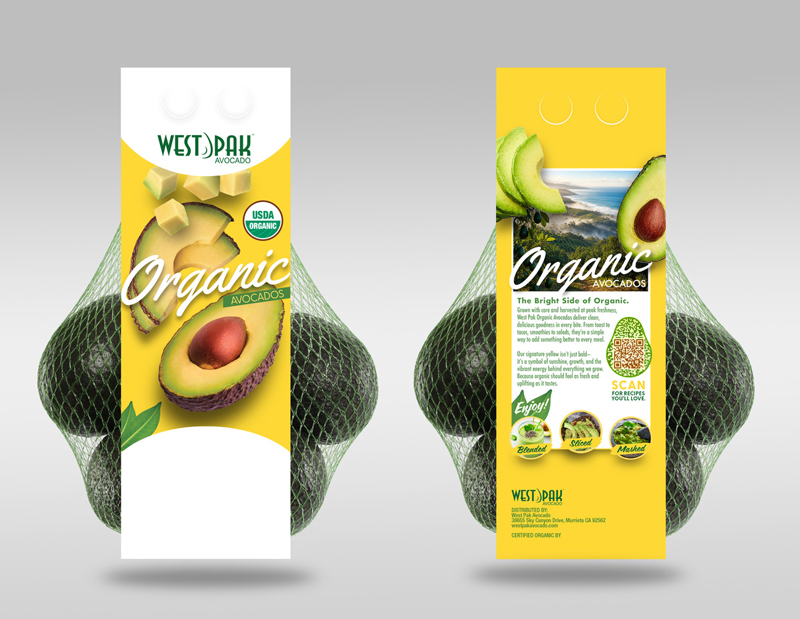
In its California program this year, “we have done a lot of organic,” Mr. Lucy said. “Del Rey has a very big program” in organic avocados and will continue with strong volume of both organic and conventional California fruit through August and September and “going into October.”
Del Rey will also have, for the second year, a late-season program it calls “the Moro Bay pack” with a group of growers from the San Luis Obispo area on California’s Central Coast. The fruit is “very high-quality,” and the program last year was very successful, he said.
The current California season started off with a lot of small-sized fruit. Growers “had trouble finding size, and most of the growers that were picking in March, April and May were doing cultural picking,” stripping all of the fruit off of trees that they were topping or reworking, or “just to get the trees to grow,” Mr. Lucy explained. As a result, “we were inundated with a lot of small fruit in the early months of the California season.”
By June, however, growers were size picking, and “they started getting a lot of size 48s and larger.” That resulted in “a radical swing for the industry” from “having too much small fruit to too much big fruit,” he said.
Mexico, meanwhile, was bringing up fruit in greater volume in the final months of its 2011-12 season than anticipated, he said. In retrospect, “if they could go back now,” the Mexican growers “probably would have done a little bit more picking in February, March and April.”
Adding to the heavy skew to large-sized fruit in the market was the fact that Chilean imports have been heavy to large sizes as well.
“Also, the Peruvians did something we were hoping they would not do. It seems like a number of people who had not been in the avocado business in the past jumped in” on the Peruvian deal. Many of the new entrants lack the ability to precondition, he said, and “we know that preconditioning really does help fruit sell.”
The combination of factors made the period from mid-June through July “pretty challenging for everybody in the avocado business.”
Del Rey has been handling Peruvian fruit, “although we are very disappointed in the returns that we are getting for Peruvian growers right now,” Mr. Lucy said. But it is good fruit that “eats very, very well,” and it is “a program that will be around for many, many years. “We will just have to learn to do a better job marketing and getting it into the right places.”