Navel crop: similar volume to last year but with smaller fruit size
Navel crop: similar volume to last year but with smaller fruit size
The 2005-06 California Navel orange crop is estimated at 84 million cartons, just 2 percent below last year's 86- million carton crop, according to the California Agricultural Statistics Service. The Central Valley crop is estimated at 82 million cartons, with Southern California, mostly Riverside County, accounting for the remaining 2 million cartons of the total.
Growers say that the size structure of the crop is a little smaller -- perhaps one size smaller on average -- than a year ago, but that the quality, shape and appearance of the fruit are better. The start of the harvest is as many as 10 days later than last year, as the summer's extreme heat caused a delay in the development of maturity.
"We're just finishing up the Valencia season which, by all accounts, has been positive. We have had a significant reduction in [Valencia] acreage, so there is much less volume to move, but revenue per acre appears to be on the black-ink side," said Joel Nelsen of California Citrus Mutual.
"We are looking to start Navels within the next week or two, which is going to be a little later than last year," Mr. Nelsen said Wednesday, Oct. 19. "We do have some sizing issues right now. The fruit is kind of small, so we are in no hurry." He expected the harvest to start about the week of Halloween or a few days earlier. "We should have plenty of volume for Thanksgiving," he said.
"In all honesty, it is a much better-looking crop from a quality perspective than last year," he continued. So even though volume will be down slightly, "We think we are going to have better utilization, which should mean approximately the same number of fresh cartons to market."
If the current good weather continues, the fruit on the trees can be expected to gain some size over the coming weeks.
Growers are optimistic of having "another good year," similar to two years ago, Mr. Nelsen said. Last year, "as an average the industry did OK," but while some growers had "real positive revenues on a per-acre basis," others got into "red ink" in part due to quality issues.
The year before, "I think everybody in the industry did well," he said. "This year, we are hoping to repeat the season of two years ago, where everybody does well."
"We anticipate a consistent volume of high-quality fruit," said Tom Clark of Sunny Cove Citrus LLC in Orange Cove, CA. "Size structure this year is a little bit smaller than last year," he said, but "we see a higher percentage of fancy fruit on the tree this year vs. last, so we are optimistic we are going to have a high-quality fruit year."
"The crop is very nice," said Winslow Woods of Wildwood Produce Sales Inc. in Kingsburg, CA. "I would say the size of the fruit is gong to be medium to large but mainly medium." He anticipated that the harvest would start the first week of November.
"We are gong to be somewhat size challenged this year," said Atomic Torosian of Crown Jewels Marketing in Fresno, CA. "I think overall the sizes are going to be a little smaller than they were last year."
In terms of the number of pieces of fruit on the trees, the Navel crop is estimated to be "a huge one," said Mike Aiton of Sun World International LLC in Bakersfield, CA.
"As a result, you end up with a little bit smaller sizes." Consequently, the larger oranges "are probably going to be drawing a premium price, certainly not like last year where there were all kinds of big sizes available and the bargains were on the big ones. This year, I think the bargains are going to be on the smaller ones and the premium price on the larger-size fruit." Particularly until after the Christmas holiday, "I don't think there is going to be a real large abundance of, say, a size 56 Navel."
But overall, "I think we have to be very pleased with the looks of the [Navel] crop," he said. The fruit is clean, it is uniform, and it has good shape. "It seems to be growing and coloring nicely." He did not expect "any problem getting this fruit to market."
The size structure for the early fruit appears to be in the range of sizes 72 through 113, according to Steve Nelsen of Valhalla Sales & Marketing in Dinuba, CA. He expected that the larger-sized fruit were "going to be a little bit of a premium this year." The crop "looks very good for us," he added. "Skin texture is very nice. The shape of the fruit is very, very nice."
"The early deal should peak mostly on 88s and 113s," said Doug Sankey of SunWest Fruit co. in Parlier, CA. "I don't think we are going to see a lot of 56s and larger between November and Christmas the way the thing is setting up." But he expected a clean, high-quality, "good promotable crop" that is "heavy to the fancy grade."
In contrast to last year, when "the fruit was a little elongated," this year "the shape is round," said Mark Thompkins of DNE California in Visalia, CA. There is "very minimal scarring. It is cosmetically a really clean piece of fruit, which would indicate a lot of first-grade fruit being available, a lot of fancy."
After two years of "very large sizes almost right out of the gate with 72s and larger, ... this year we are seeing a lot more 88s and 113s, especially on the front end of the season." That will probably be the case through January, Mr. Thompkins said.
Last year, 76 percent of the crop was 72s and larger, and 54 percent was 56s and larger, he said.
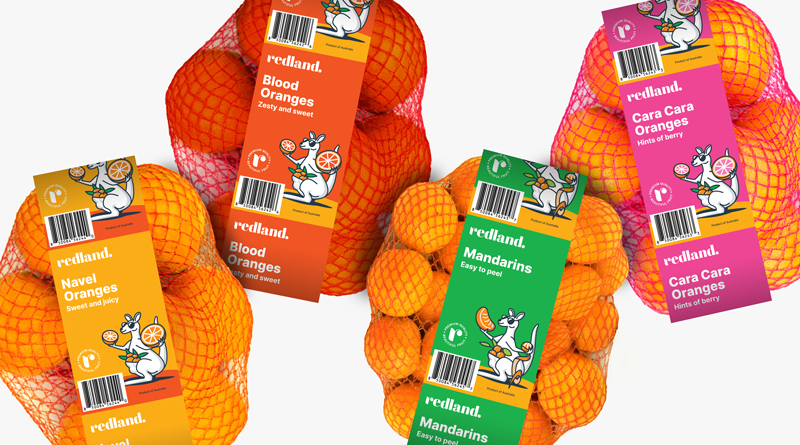
Since some customers like the larger sizes for Christmas promotions and have been used to getting them the last couple of years, it could be a bit of a "marketing challenge getting them to move into the smaller sizes" this year, he said. "But on the other hand, the 88s and 113s are certainly conducive to bagging."
Quality "looks to be very good this year," with good shape and texture, said Claire Smith of Sunkist Growers in Sherman Oaks, CA. "It looks like overall in the industry there will be a fairly large percentage of fancy grade fruit, probably in the range of 75-80 percent, she said.
With the late start, "There will be limited volumes probably until the week of November 14," Ms. Smith said in mid-November. But "there will be Valencias" available for another month, so there will not be a shortage of oranges in the market, she said. "There should be a smooth transition."
(A full report on California citrus appears in the Oct. 31 issue of The Produce News.)
Growers say that the size structure of the crop is a little smaller -- perhaps one size smaller on average -- than a year ago, but that the quality, shape and appearance of the fruit are better. The start of the harvest is as many as 10 days later than last year, as the summer's extreme heat caused a delay in the development of maturity.
"We're just finishing up the Valencia season which, by all accounts, has been positive. We have had a significant reduction in [Valencia] acreage, so there is much less volume to move, but revenue per acre appears to be on the black-ink side," said Joel Nelsen of California Citrus Mutual.
"We are looking to start Navels within the next week or two, which is going to be a little later than last year," Mr. Nelsen said Wednesday, Oct. 19. "We do have some sizing issues right now. The fruit is kind of small, so we are in no hurry." He expected the harvest to start about the week of Halloween or a few days earlier. "We should have plenty of volume for Thanksgiving," he said.
"In all honesty, it is a much better-looking crop from a quality perspective than last year," he continued. So even though volume will be down slightly, "We think we are going to have better utilization, which should mean approximately the same number of fresh cartons to market."
If the current good weather continues, the fruit on the trees can be expected to gain some size over the coming weeks.
Growers are optimistic of having "another good year," similar to two years ago, Mr. Nelsen said. Last year, "as an average the industry did OK," but while some growers had "real positive revenues on a per-acre basis," others got into "red ink" in part due to quality issues.
The year before, "I think everybody in the industry did well," he said. "This year, we are hoping to repeat the season of two years ago, where everybody does well."
"We anticipate a consistent volume of high-quality fruit," said Tom Clark of Sunny Cove Citrus LLC in Orange Cove, CA. "Size structure this year is a little bit smaller than last year," he said, but "we see a higher percentage of fancy fruit on the tree this year vs. last, so we are optimistic we are going to have a high-quality fruit year."
"The crop is very nice," said Winslow Woods of Wildwood Produce Sales Inc. in Kingsburg, CA. "I would say the size of the fruit is gong to be medium to large but mainly medium." He anticipated that the harvest would start the first week of November.
"We are gong to be somewhat size challenged this year," said Atomic Torosian of Crown Jewels Marketing in Fresno, CA. "I think overall the sizes are going to be a little smaller than they were last year."
In terms of the number of pieces of fruit on the trees, the Navel crop is estimated to be "a huge one," said Mike Aiton of Sun World International LLC in Bakersfield, CA.
"As a result, you end up with a little bit smaller sizes." Consequently, the larger oranges "are probably going to be drawing a premium price, certainly not like last year where there were all kinds of big sizes available and the bargains were on the big ones. This year, I think the bargains are going to be on the smaller ones and the premium price on the larger-size fruit." Particularly until after the Christmas holiday, "I don't think there is going to be a real large abundance of, say, a size 56 Navel."
But overall, "I think we have to be very pleased with the looks of the [Navel] crop," he said. The fruit is clean, it is uniform, and it has good shape. "It seems to be growing and coloring nicely." He did not expect "any problem getting this fruit to market."
The size structure for the early fruit appears to be in the range of sizes 72 through 113, according to Steve Nelsen of Valhalla Sales & Marketing in Dinuba, CA. He expected that the larger-sized fruit were "going to be a little bit of a premium this year." The crop "looks very good for us," he added. "Skin texture is very nice. The shape of the fruit is very, very nice."
"The early deal should peak mostly on 88s and 113s," said Doug Sankey of SunWest Fruit co. in Parlier, CA. "I don't think we are going to see a lot of 56s and larger between November and Christmas the way the thing is setting up." But he expected a clean, high-quality, "good promotable crop" that is "heavy to the fancy grade."
In contrast to last year, when "the fruit was a little elongated," this year "the shape is round," said Mark Thompkins of DNE California in Visalia, CA. There is "very minimal scarring. It is cosmetically a really clean piece of fruit, which would indicate a lot of first-grade fruit being available, a lot of fancy."
After two years of "very large sizes almost right out of the gate with 72s and larger, ... this year we are seeing a lot more 88s and 113s, especially on the front end of the season." That will probably be the case through January, Mr. Thompkins said.
Last year, 76 percent of the crop was 72s and larger, and 54 percent was 56s and larger, he said.
Since some customers like the larger sizes for Christmas promotions and have been used to getting them the last couple of years, it could be a bit of a "marketing challenge getting them to move into the smaller sizes" this year, he said. "But on the other hand, the 88s and 113s are certainly conducive to bagging."
Quality "looks to be very good this year," with good shape and texture, said Claire Smith of Sunkist Growers in Sherman Oaks, CA. "It looks like overall in the industry there will be a fairly large percentage of fancy grade fruit, probably in the range of 75-80 percent, she said.
With the late start, "There will be limited volumes probably until the week of November 14," Ms. Smith said in mid-November. But "there will be Valencias" available for another month, so there will not be a shortage of oranges in the market, she said. "There should be a smooth transition."
(A full report on California citrus appears in the Oct. 31 issue of The Produce News.)