Sun Valley retools its distribution fleet
Sun Valley retools its distribution fleet
Over much of its 95-year history, produce distributor Sun Valley Fruit Co. (previously known as Hutchinson Fruit) owned its vehicles to pick up products and make deliveries. But about a year ago, the company made a significant change and began leasing trucks through PacLease.
For the past 30 years, Sun Valley in Albuquerque, NM, owned a fleet made up of 26 straight trucks and 10 tractor-trailer combinations. The over-the-road fleet of 10 trucks ran 1,600 miles round-trip from Albuquerque to Los Angeles to pick up fresh fruit and vegetables. The loads then were transferred to straight trucks, which made deliveries to schools, grocery stores, restaurants and other retail food customers within a 75-mile radius of Albuquerque. In addition to stops in Los Angeles, the Class 8 trucks also made runs to northern California and Arizona to load fresh produce.
The company also has a small satellite operation in El Paso, TX, that serves Las Cruses, NM, and military bases such as Fort Bliss and White Sands Missile Range. Today, about 30 percent of the business is in retail sales, with the rest going to foodservice accounts, including diners, restaurants, resorts and healthcare facilities. The fleet also delivers frozen food and dry groceries to grocery stores and fluid milk from a dairy in El Paso, primarily to schools.
The problem with the over-the-road fleet, however, was that the trailers were rarely full. The tractor-trailers often left New Mexico empty, according to Joseph Kemetz, Sun Valley co-owner and CEO.
"A lot of money was lost because there were not enough backhauls to Albuquerque," he said. "Sometimes the trucks would leave Albuquerque empty and bring back a load from L.A. Sometimes the trucks would leave Albuquerque loaded and return empty. It all depended on the week and what was available in the area.
Running routes in the 90- to 100-degree temperatures of New Mexico, Arizona and California took its toll, not only on the fresh produce cargo that must be turned over fast but also on the tractors themselves. The cooling units for the reefers ran off the truck engines and weren't very powerful.
In addition, Sun Valley operated its own maintenance shop with four mechanics, a supervisor and a full inventory of parts and tires.
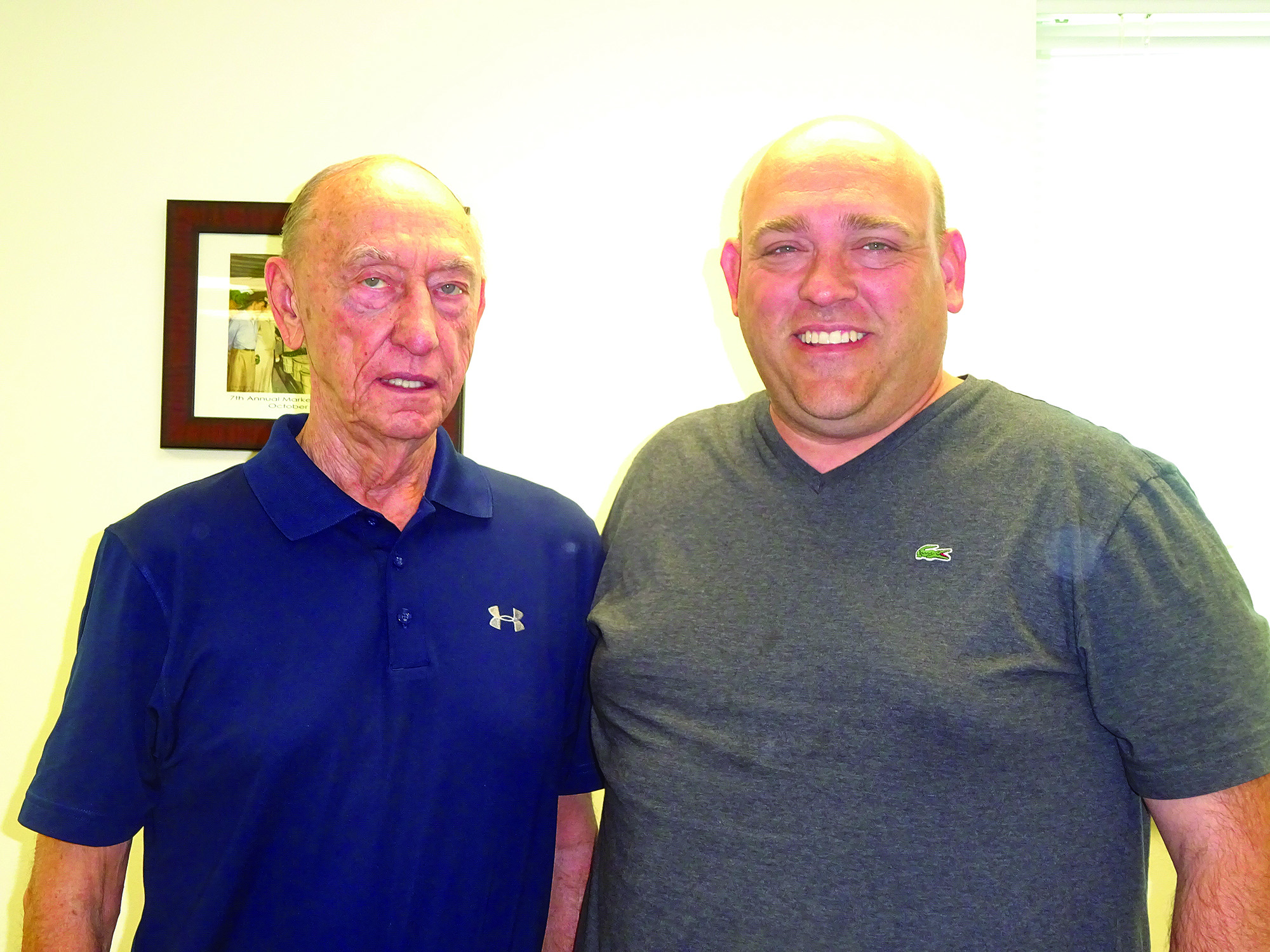
Realizing that the operation was costly, Mr. Kemetz decided to "crunch the numbers. He said, "We had too much equipment. We had the wrong equipment, and the equipment was aging. Maintenance-wise, it was a real problem.
He wanted to compare ownership vs. leasing. "I ran my numbers to see what the fleet was costing to maintain. Then I put bids out for leasing and compared the two, he said.
After reviewing Sun Valley's entire operation, PacLease made specific recommendations on how to make the company more productive and save money. Mr. Kemetz agreed with the changes and, in September 2004, signed a full-service lease contract backed by a maintenance agreement. The lease term is seven years with replacement at the end of the term.
Today the fleet is made up of Kenworth T300s, including 15 with 18-foot bodies and eight with 26-foot bodies. The larger trucks are used for highway delivery routes and the smaller trucks are used for city deliveries. These trucks replaced 20 vehicles with 14-foot refrigerated bodies and six with 22-foot refrigerated units. Sun Valley gained more pallet capacity with fewer trucks and reduced labor costs over time because it is running fewer vehicles and requires less overtime.
Mr. Kemetz said that the changes resulted in significant savings for the company. Rather than making the back-and-forth runs between Albuquerque and Los Angeles in its own trucks, Sun Valley decided to use outside independent carriers, which could do the job more efficiently and economically. This step saved about $250,000 a year, according to Mr. Kemetz. Today, Sun Valley receives five to 10 full loads each day and off-loads much of the produce directly onto its delivery trucks.
The second step was to close the maintenance shop and turn fleet maintenance over to Inland Kenworth, the local PacLease franchise in Albuquerque. By eliminating expensive parts and tire inventory, plus labor costs, the company saves approximately $300,000 annually. PacLease performs most maintenance after-hours and, when needed, provides refrigerated loaners.
The final step, Mr. Kemetz said, was disposing of the company's old fleet, which PacLease handled. That netted Sun Valley about $750,000 to apply to its core business.
The big challenge for Sun Valley has always been to keep the product cold during hot summer months and deliver the product fast and fresh. Toward that end, the current fleet has four-inch insulation on the trailer walls and roof. The old fleet had only an inch-and-a-half of insulation. "We also have curtains at the rear door to protect the product by keeping hot air out and cold air in, Mr. Kemetz said.
What all this means for Sun Valley's retail and foodservice customers is that the company can make as many as three deliveries a day. And in some cases, same-day deliveries are available.
For the past 30 years, Sun Valley in Albuquerque, NM, owned a fleet made up of 26 straight trucks and 10 tractor-trailer combinations. The over-the-road fleet of 10 trucks ran 1,600 miles round-trip from Albuquerque to Los Angeles to pick up fresh fruit and vegetables. The loads then were transferred to straight trucks, which made deliveries to schools, grocery stores, restaurants and other retail food customers within a 75-mile radius of Albuquerque. In addition to stops in Los Angeles, the Class 8 trucks also made runs to northern California and Arizona to load fresh produce.
The company also has a small satellite operation in El Paso, TX, that serves Las Cruses, NM, and military bases such as Fort Bliss and White Sands Missile Range. Today, about 30 percent of the business is in retail sales, with the rest going to foodservice accounts, including diners, restaurants, resorts and healthcare facilities. The fleet also delivers frozen food and dry groceries to grocery stores and fluid milk from a dairy in El Paso, primarily to schools.
The problem with the over-the-road fleet, however, was that the trailers were rarely full. The tractor-trailers often left New Mexico empty, according to Joseph Kemetz, Sun Valley co-owner and CEO.
"A lot of money was lost because there were not enough backhauls to Albuquerque," he said. "Sometimes the trucks would leave Albuquerque empty and bring back a load from L.A. Sometimes the trucks would leave Albuquerque loaded and return empty. It all depended on the week and what was available in the area.
Running routes in the 90- to 100-degree temperatures of New Mexico, Arizona and California took its toll, not only on the fresh produce cargo that must be turned over fast but also on the tractors themselves. The cooling units for the reefers ran off the truck engines and weren't very powerful.
In addition, Sun Valley operated its own maintenance shop with four mechanics, a supervisor and a full inventory of parts and tires.
Realizing that the operation was costly, Mr. Kemetz decided to "crunch the numbers. He said, "We had too much equipment. We had the wrong equipment, and the equipment was aging. Maintenance-wise, it was a real problem.
He wanted to compare ownership vs. leasing. "I ran my numbers to see what the fleet was costing to maintain. Then I put bids out for leasing and compared the two, he said.
After reviewing Sun Valley's entire operation, PacLease made specific recommendations on how to make the company more productive and save money. Mr. Kemetz agreed with the changes and, in September 2004, signed a full-service lease contract backed by a maintenance agreement. The lease term is seven years with replacement at the end of the term.
Today the fleet is made up of Kenworth T300s, including 15 with 18-foot bodies and eight with 26-foot bodies. The larger trucks are used for highway delivery routes and the smaller trucks are used for city deliveries. These trucks replaced 20 vehicles with 14-foot refrigerated bodies and six with 22-foot refrigerated units. Sun Valley gained more pallet capacity with fewer trucks and reduced labor costs over time because it is running fewer vehicles and requires less overtime.
Mr. Kemetz said that the changes resulted in significant savings for the company. Rather than making the back-and-forth runs between Albuquerque and Los Angeles in its own trucks, Sun Valley decided to use outside independent carriers, which could do the job more efficiently and economically. This step saved about $250,000 a year, according to Mr. Kemetz. Today, Sun Valley receives five to 10 full loads each day and off-loads much of the produce directly onto its delivery trucks.
The second step was to close the maintenance shop and turn fleet maintenance over to Inland Kenworth, the local PacLease franchise in Albuquerque. By eliminating expensive parts and tire inventory, plus labor costs, the company saves approximately $300,000 annually. PacLease performs most maintenance after-hours and, when needed, provides refrigerated loaners.
The final step, Mr. Kemetz said, was disposing of the company's old fleet, which PacLease handled. That netted Sun Valley about $750,000 to apply to its core business.
The big challenge for Sun Valley has always been to keep the product cold during hot summer months and deliver the product fast and fresh. Toward that end, the current fleet has four-inch insulation on the trailer walls and roof. The old fleet had only an inch-and-a-half of insulation. "We also have curtains at the rear door to protect the product by keeping hot air out and cold air in, Mr. Kemetz said.
What all this means for Sun Valley's retail and foodservice customers is that the company can make as many as three deliveries a day. And in some cases, same-day deliveries are available.