Zuhlke sees packaging performance driving produce decisions
Zuhlke sees packaging performance driving produce decisions
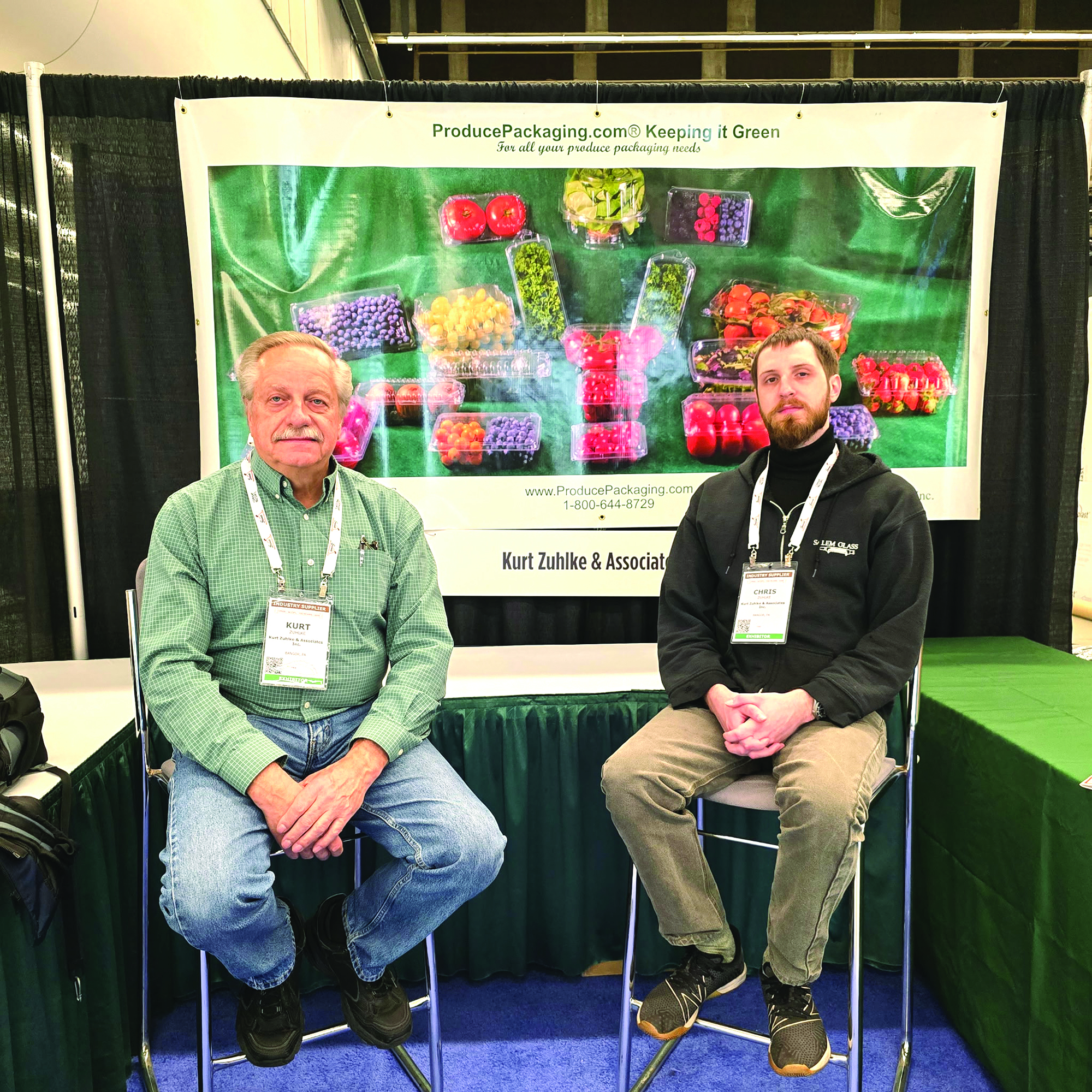
For decades, Kurt Zuhlke & Associates has supplied packaging solutions to the fresh produce industry, helping growers, packers and shippers protect products while meeting the changing demands of retailers and consumers.
In 2026, company founder Kurt Zuhlke believes the biggest factor influencing packaging decisions isn’t sustainability or innovation — it is the economic realities facing consumers and the produce industry.
“I think consumers are just upset about how high prices are on everything right now,” Zuhlke said. “A lot of that goes back to weather events, diseases and crop issues — not just in the United States, but around the world.”
The produce industry has dealt with numerous weather-related challenges this year, including significant losses in portions of the South Jersey blueberry and peach crops. Those disruptions ultimately affect everyone throughout the supply chain, including packaging suppliers.
“You’re at the mercy of the weather in this industry,” Zuhlke said. “Whether you grow produce, sell produce or sell packaging to growers and shippers, weather impacts everybody.”
As growers navigate crop losses and fluctuating production levels, Zuhlke noted demand remains strongest in specialty produce categories, which often experience fewer supply disruptions than larger commodity programs.
“Specialty items seem to be holding up fairly well,” he said. “The commodity categories have faced more challenges, especially products like blueberries, strawberries, raspberries and tomatoes that have been impacted in various regions.”
One area where Zuhlke sees continued strength is clear clamshell packaging.
Although paper-based alternatives continue gaining attention throughout the marketplace, he believes transparent packaging still provides significant advantages when it comes to merchandising and consumer confidence.
“When a customer picks up a package, they want to see what’s inside,” Zuhlke said. “If you can’t see the product, and then you get home and discover there are issues with it, that consumer may not buy that package again.”
In his opinion, visibility remains one of the most effective selling tools.
“Consumers became comfortable with clear packaging because they can inspect the product before they buy it,” Zuhlke said. “That comfort level still matters.”
Zuhlke also believes the industry sometimes overcomplicates discussions about shelf life and packaging performance.
“The goal isn’t to keep produce sitting around for weeks,” he said. “Retailers want product moving through distribution, onto shelves and into consumers’ homes as quickly as possible.”
Instead, packaging should focus on protecting product during the critical period between harvest, shipment, retail display and consumption.
“Fresh produce should be sold and enjoyed while it’s fresh,” Zuhlke said. “That’s what good packaging helps accomplish.”
The company also remains a strong advocate for recyclable PET packaging, which Zuhlke believes continues to offer important environmental benefits when recycling systems function properly.
“We’re seeing more interest in recycled PET content,” he said. “Many retailers want to know how much postconsumer material is going back into the package.”
Zuhlke said the larger issue isn’t packaging availability but recycling participation.
“We’re only recovering a fraction of the PET material that could be recycled,” he said.
“If more municipalities collected and processed it properly, we’d have more recycled material available and lower costs throughout the system.”
Today, many of the company’s packages contain between 65 percent and 100 percent recycled content, depending on the application and packing requirements.
Looking ahead, Zuhlke expects the produce packaging industry to continue evolving, but he believes the fundamentals will remain the same.
“At the end of the day, people want packaging that protects the product, allows them to see what they’re buying and gives them confidence in the purchase,” he said. “Those priorities haven’t changed.”