New York produce industry builds on relationships, resilience and regional strength
New York produce industry builds on relationships, resilience and regional strength
New York's produce industry enters the second half of 2026 facing many of the same challenges affecting the rest of the country - weather volatility, inflationary pressures and rising transportation costs.
Yet the state continues to benefit from a unique combination of agricultural diversity, a strong wholesale infrastructure and a deep network of growers, distributors and marketers that have helped keep fresh produce moving throughout the Northeast.
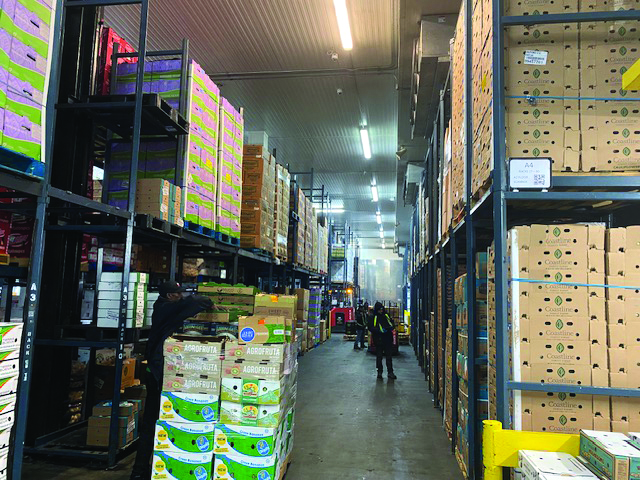
At the center of that distribution network is the Hunts Point Terminal Market in the Bronx, one of the most important produce hubs in North America. The market serves as a critical link between growers and retailers, supplying fresh fruits and vegetables to millions of consumers throughout the metropolitan region and beyond. The facility spans more than 1 million square feet and has served as New York City’s produce hub for decades.
The importance of Hunts Point is expected to grow even further following the announcement of a major redevelopment project that will modernize the facility and improve efficiency, refrigeration capacity and sustainability. Construction is expected to begin in late 2026 as part of a long-term effort to strengthen the market’s role in the regional food supply chain.
While distribution remains a major strength, New York’s production sector continues to provide a strong foundation for the industry. Apples remain one of the state’s signature crops, with New York ranking as the nation’s second-largest apple-producing state. Recent industry forecasts project New York’s crop at approximately 30.5 million bushels, reflecting another solid season for growers despite weather-related challenges experienced in parts of the state.
The state’s apple industry includes roughly 600 commercial growers operating across six major production regions, from the Hudson Valley to western New York. Those growers continue investing in new varieties, modern orchard systems and technology designed to improve efficiency and fruit quality.
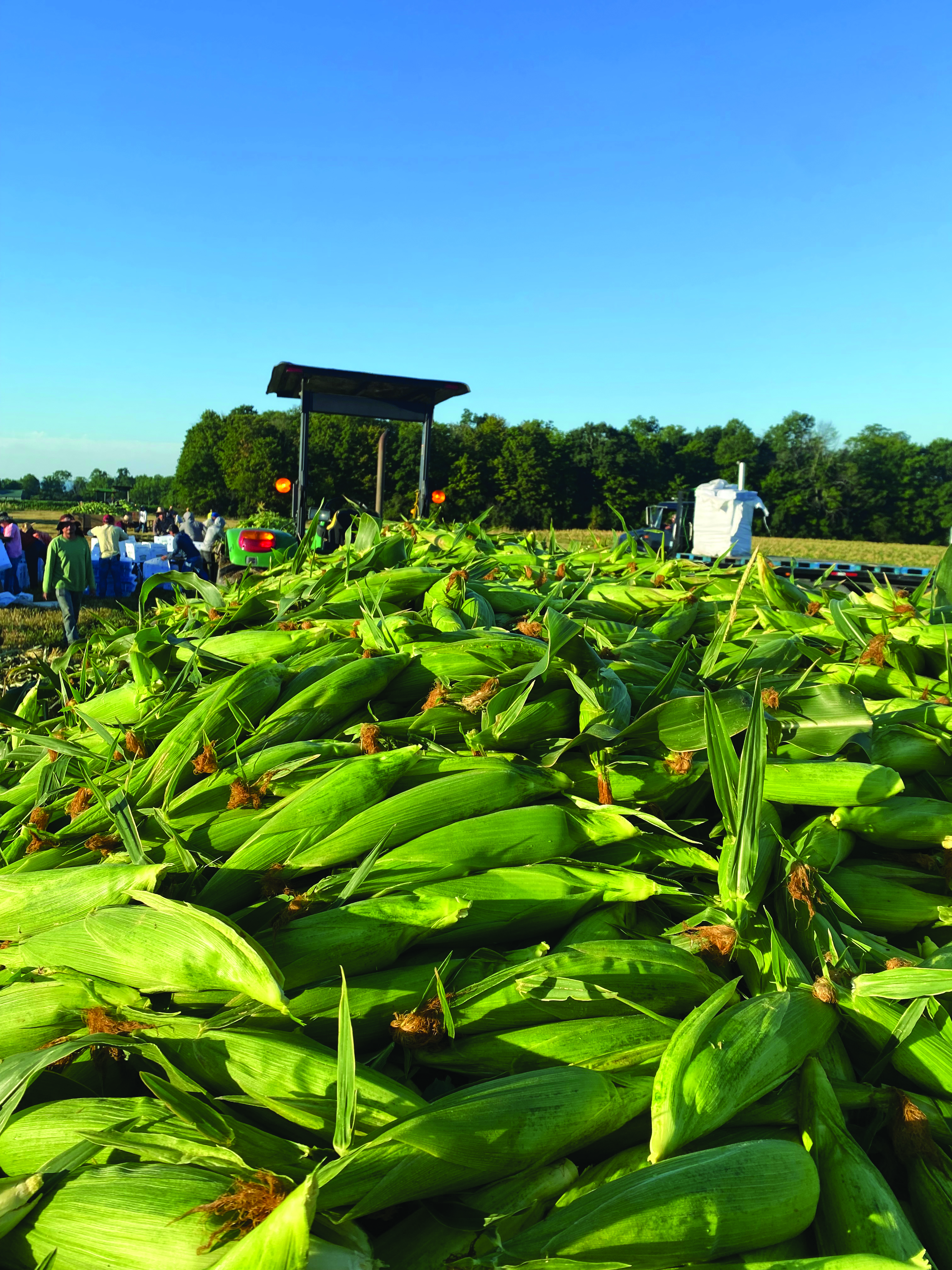
Beyond apples, New York remains an important producer of berries, vegetables, leafy greens and numerous specialty crops. As summer arrives, wholesalers report strong demand for seasonal fruits such as berries, melons and watermelons, while retailers continue seeing steady movement in salad ingredients, leafy greens and other fresh items that align with consumers’ preference for lighter meals during warmer months.
The industry’s biggest concern remains costs. Rising diesel prices, freight expenses and production inputs continue putting pressure on every segment of the supply chain. Recent reports indicate transportation costs have increased significantly for many produce items, forcing companies to carefully manage margins while remaining competitive.
Despite those challenges, many New York produce companies continue emphasizing adaptability and long-term relationships as their greatest strengths. Whether at Hunts Point, in western New York orchards or throughout the state’s growing regions, businesses are finding ways to navigate fluctuating markets through diversified sourcing, customer service and operational efficiency.
Technology is also becoming increasingly important.
Companies throughout the industry are investing in improved logistics systems, inventory management tools and data-driven solutions that help improve visibility and maintain product quality from field to consumer.
Looking ahead, New York’s produce industry appears well-positioned for continued success. Strong agricultural production, ongoing infrastructure investments and the enduring importance of regional supply chains continue creating opportunities for growers, wholesalers and marketers alike.
While no one expects challenges to disappear, the state’s produce sector has long demonstrated an ability to adapt.
In 2026, that resilience remains one of New York’s greatest competitive advantages.