An Alexandra Farms guide to David Austin's fragrant cut roses
An Alexandra Farms guide to David Austin's fragrant cut roses
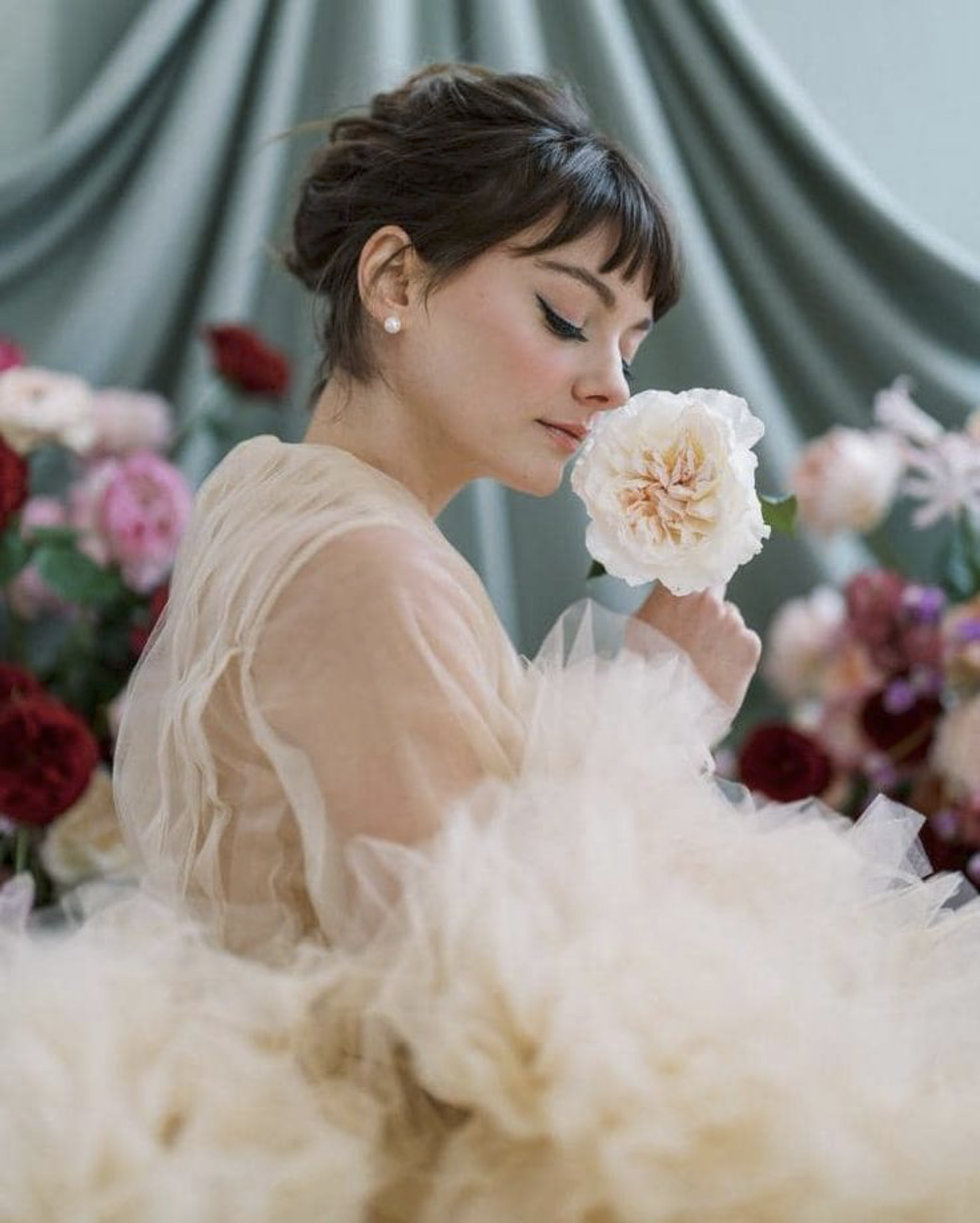
Roses are a sight to behold in their apricot, pink, yellow or ivory glory and a delight to breathe in, depending on the variety’s fragrance. Without fragrance, the world would be emptier than might first be thought.
Scents are processed in the same part of the brain as memories. Scents are emotional and can transport a person back to a moment in time. Scents can soothe and make the stresses of a day feel suddenly insignificant.
Whether a heady myrrh scent transports someone to a special place or a traditional tea fragrance triggers a feeling of happiness and home, a rose filled with notes is ready to release. With up to 400 different aromatic components, roses carry one of the most complex scent profiles of all nature’s blooms. With the help of fragrance formulation expert Emma, the ingredients of four rose fragrances are explored below.
Fragrance: Myrrh
Myrrh-scented roses are never quite what might be expected. It is hard not to hear “myrrh” and associate it with heavy, resinous frankincense fragrances linked to incense and Christmas. But myrrh in roses is a different scent entirely. It comes from the Latin Myrrhis odorata – the name for sweet cicely, which is classically light and delicate, full of air and hints of green aniseed. Green banana and fennel fronds can be detected, too, along with licorice root and a touch of star anise.
- Beatrice (Auslevity) has a fresh myrrh character combined with a warm heart of honey, nougat and hints of apricot.
- Eugenie (Ausimage) has an elegant character with notes of myrrh and soft sweet hay. As the blooms mature, they develop fruity notes of grapefruit, pear and apricot.
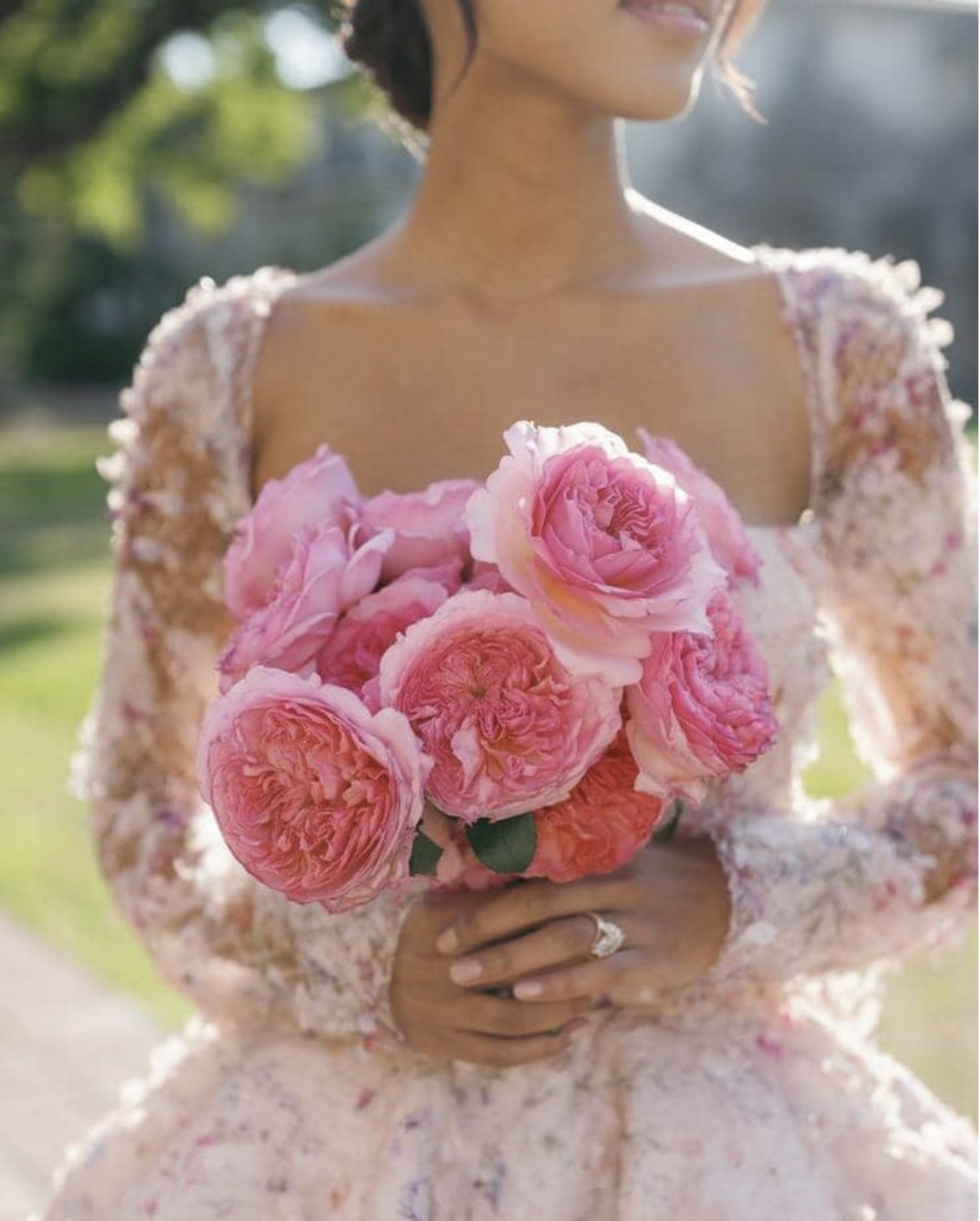 Fragrance: Old Rose
Rich, complex and incredibly beautiful, Old Rose fragrances are warm and full of depth. When smelling a rose with this scent profile, one feels as though the nose keeps moving downward through many enveloping layers. Citrus peel and cucumber, dried fruits and berry jam, black pepper and carnation flowers, beeswax and patchouli – Old Rose is a profile that continues to reveal itself. The scent feels ancient, as though it has existed forever. This is the classic smell that made roses so desired for centuries across civilizations.
- Millicent (AUSCP17431) has a rich Old Rose fragrance with zesty lemon notes and a hint of apricot.
- Capability (Ausapply) has a rich, deep Old Rose fragrance with hints of lemon and ripe apricot.
Fragrance: Fruity
These roses are among the most diverse in their fragrance profile, with each rose typically containing a mixture of many fruits. Some are fresher with green Granny Smith apple and pear notes, while others are much deeper, full of berries. Many Fruity fragranced roses contain a host of fruit notes in differing intensities; it is not uncommon to detect mango and guava alongside nectarine, cherry, elderflower and blackcurrant leaf.
- Patience (Auspastor) has a fruity scent with notes of sparkling lemon, lychee and ripe pear. The lychee and pear notes combine to give the scent an elegant floral character reminiscent of lily of the valley.
- Constance (Austruss) has a fruity rose character with notes of apricot, rosewater and lemon. They combine to give a scent with warmth and depth that hints at an “Old Rose” ancestor.
Fragrance: Tea
Tea fragranced roses carry an interesting scent, named for their resemblance to dried black tea leaves with other notes woven in. One of the best words to describe this fragrance family is powdery. Think delicate violet and soft orris root – an ingredient favored in perfume making.
- Effie (Ausgray) has a soft powdery fragrance with notes of black tea and violet. As the blooms mature, the scent becomes fruity, with apricot notes adding warmth.
Whether for the home or as part of wedding celebrations, David Austin’s roses can transport people back in time, evoking vivid memories and emotions. Scent, it seems, opens the door to moments tucked away, making them feel present again.