D’Ottavio Farms expands crops and technology for 2026 season
D’Ottavio Farms expands crops and technology for 2026 season
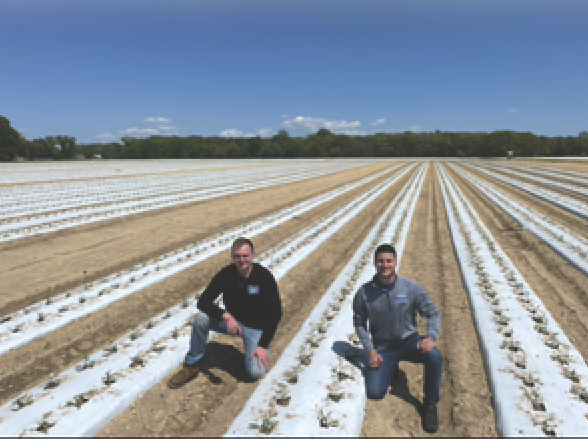 After navigating a stretch of unusually cold weather earlier this spring, D’Ottavio Farms is entering the New Jersey growing season with optimism, supported by expanding acreage, new technology investments and strong demand across multiple produce categories.
“This season is off to an unusually cold start,” said Michael D’Ottavio, president of D’Ottavio Farms. “Back in April we had some very unseasonably cold weather for two days, and unfortunately some growers experienced severe damage to their peaches and blueberries.”
The Vineland, NJ-based farm avoided the worst effects of the cold snap because of its location farther south than many other blueberry operations in the state.
“We were very fortunate to stay a few degrees warmer than growers north of us,” D’Ottavio said. “We believe our yield will be very close to what we had last season.”
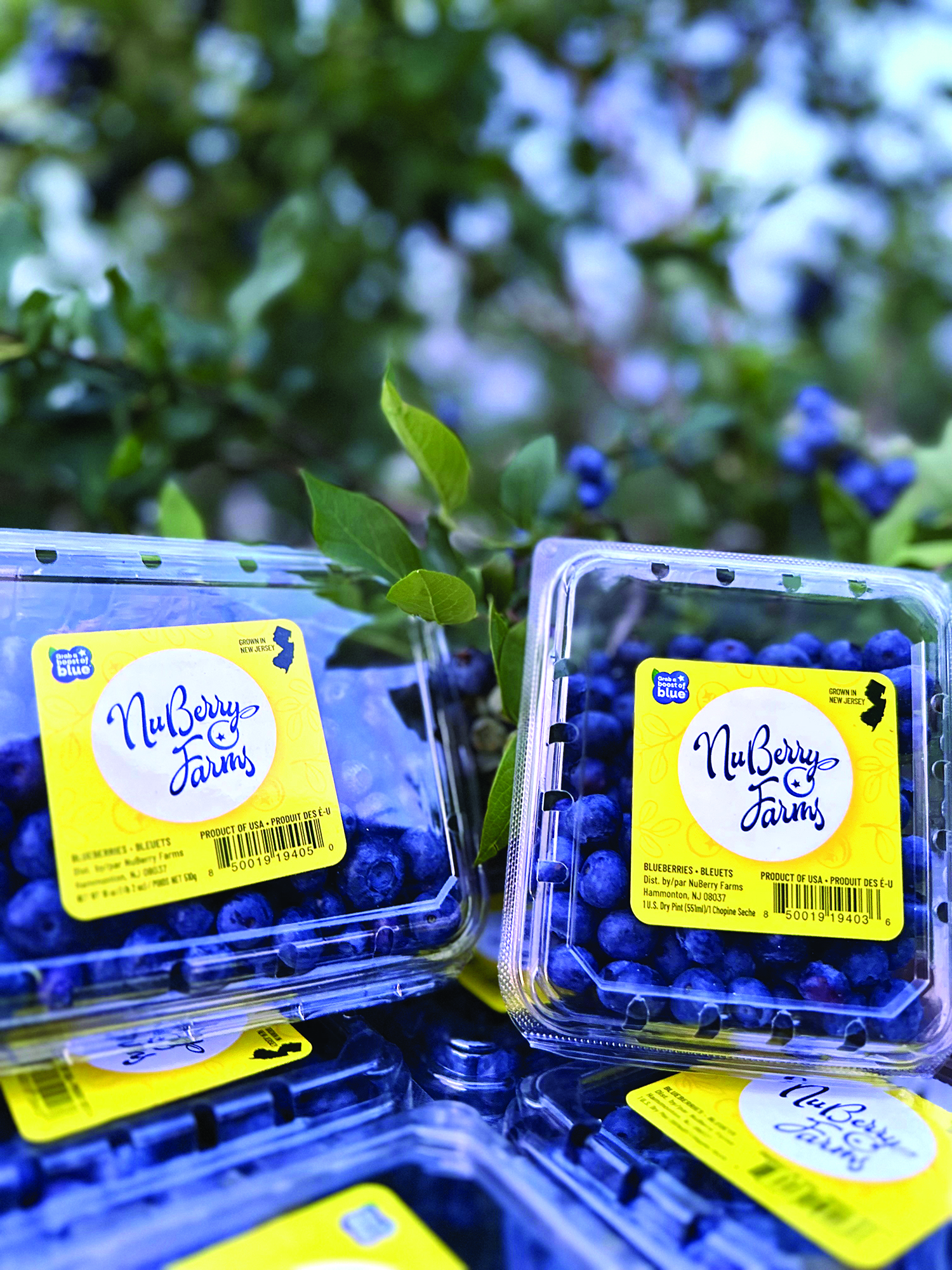
The company continues to grow its blueberry operation, increasing acreage in both conventional and organic production while also focusing on improving efficiency and sustainability practices.
“One of the biggest things we worked on last season was using drones in the fields,” D’Ottavio said. “They lower operational costs by requiring less manpower, saving fuel and using less product while getting better coverage.”
The drone technology has also created benefits below the soil surface.
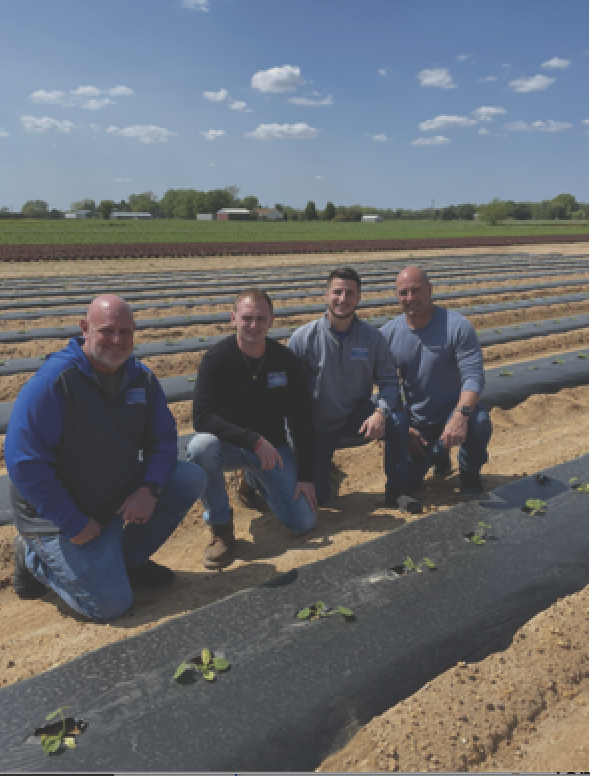 “Drones help eliminate the soil compaction that heavy equipment creates,” D’Ottavio said. “That creates a healthier soil structure for better growth and improved water consumption.”
The company has found that the technology can be applied across several areas of production.
“They can be used for fertilizer, pesticides and herbicides while reducing waste and helping produce healthier yields,” D’Ottavio said.
Beyond blueberries, D’Ottavio Farms is seeing strong movement in its expanding wet vegetable category.
“We continue to increase acreage to help meet the strong demand for wet vegetables,” D’Ottavio said.
The operation grows a broad range of leafy greens and herbs, including romaine, leaf lettuce, Boston lettuce, escarole, chicory, cabbage, parsley, dill, cilantro, kale, Tuscan kale, Swiss chard, bunch beets, collards and bok choy.
The company has also added acreage for peppers and specialty vegetables at its homestead farm. Crops include green Bell peppers, poblanos, jalapeños, red Fresnos, Anaheim peppers, Serranos, shishitos, habaneros, long hots and Cubanelle peppers, along with cucumbers, squash varieties, eggplant and seedless watermelons.
Organic production remains an important focus as well, especially with newer pest-management techniques proving successful.
“Last season we had great success controlling insect pressure on our organic crops by using reflective metalized film,” D’Ottavio said. “The reflected solar UV disorients insects and forces them to stay away from the crops.”
That approach has helped the farm protect crops naturally while improving overall plant health.
As a vertically integrated grower, wholesaler and trucking company, D’Ottavio Farms works to simplify purchasing and logistics for customers.
“Our goal is to give customers the ability to load all their needs at one farm,” D’Ottavio said. “Because of our location near major cities, we can harvest, precool and deliver product that was picked only hours earlier.”
Investments in irrigation and field management have also helped minimize weather-related concerns this spring.
“With our fully automated irrigation system, planting on plastic and the use of row covers to hold heat overnight, the cool April temperatures should not affect crop timing or quality,” D’Ottavio said.
The company also continues emphasizing employee welfare and food safety as key priorities throughout the operation.
“Elevating social responsibility is at the top of our list,” D’Ottavio said. “Ensuring every worker is treated fairly and has a voice continues to be our main priority.”
Combined with advanced cooling systems, full traceability and a dedicated trucking fleet, D’Ottavio believes the company is positioned for continued long-term success.
“We’re a fifth-generation farm that plans to continue adapting to changes in the industry and farming for many more generations to come,” D’Ottavio said.