Superfresh Growers navigates challenging winter with strong cherry outlook
Superfresh Growers navigates challenging winter with strong cherry outlook
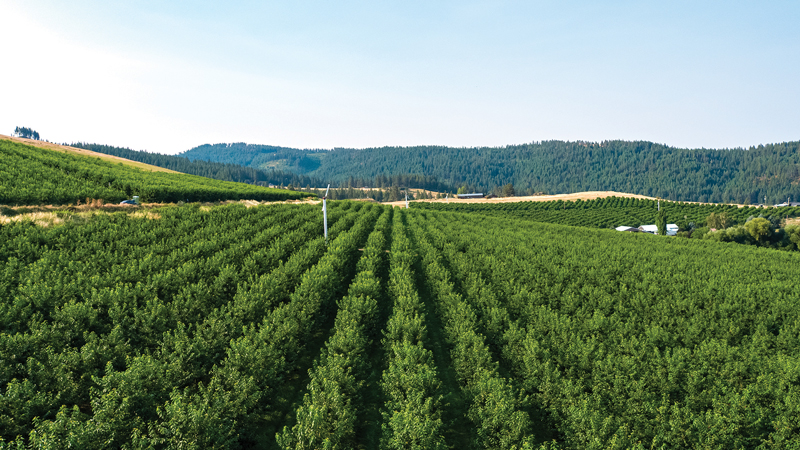
The Northwest cherry region has faced some challenges, from warm winters to periods of spring frost. However, Superfresh Growers has adjusted accordingly, setting the stage for what is expected to be a fruitful season. This is in part due to Superfresh’s geographically diverse orchards spanning Oregon, Washington and Montana.
Julieta Castillo, marketing coordinator for Superfresh Growers, said that the latest 5-state cherry estimate released on May 13 projects the crop at approximately 18.4 million 20-pound equivalent boxes, slightly below the initial April estimate of 19.5-21.5 million boxes. While the crop may come in tighter than expected, the current conditions are still setting the stage for a strong Northwest cherry season with promotable volume and excellent eating quality.
California’s cherry season is wrapping up earlier than originally projected, pushed along by recent rain events, and Castillo said Superfresh is monitoring movement out of California in real time to stay closely aligned with retail partners.
Harvest is expected to begin in the last days of May into early June, building volume quickly from the early districts. The timing lines up well with California’s earlier finish, creating a clean handoff at retail with minimal overlap. Castillo added that the company pruned heavily across orchards during the winter, which should yield some excellent premium sizing this season.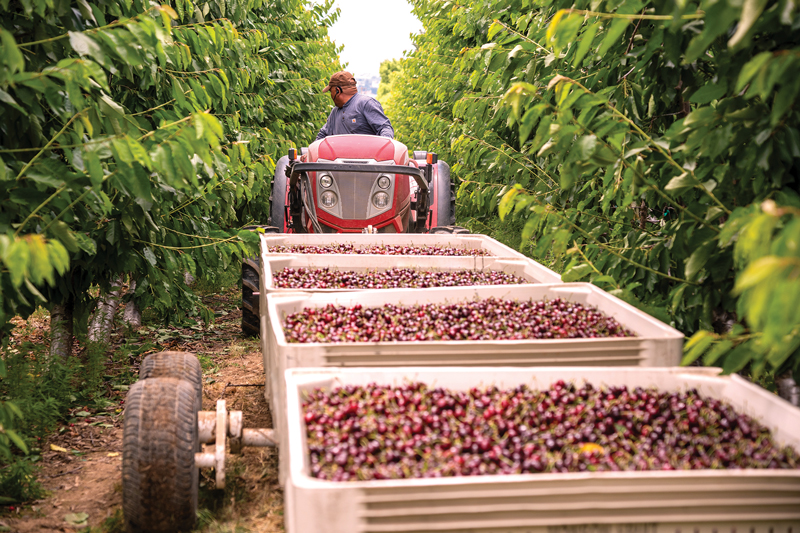
Castillo listed Father’s Day, National Rainier Cherry Day (June 28), and the Fourth of July as the key marketing windows. Rainier cherries are expected to peak around their dedicated holiday, making it a strong early season moment for product positioning. The Dark Sweet cherry harvest extends well beyond July 4th, and retailers that continue promotion through July and into August will see stronger overall performance. Additionally, the seasonal draw of cherries is still a major selling point.
“In today’s global trade economy, cherries remain one of the few fruits that still hold a true seasonal appeal,” said Castillo. “Leveraging that limited time availability and creating a sense of seasonal urgency helps drive consumer excitement and increase that fear of missing out on one of the signature fruits of the summer.”
Consumers’ health and wellness considerations are influencing the dynamics of the category, and according to Castillo, increasing use of GLP-1 is prompting shoppers to look for better and more convenient snacks in grocery stores.
“Cherries offer a convenient, flavorful snack option while also providing strong nutritional benefits, including soluble and insoluble fiber, potassium, vitamin C, melatonin, and high levels of anthocyanins, compounds often associated with recovery and wellness support,” said Castillo, adding that consumers who eat cherries are predominantly above 40 years of age, which is “a significant opportunity to connect younger generations to the category through education, digital marketing, and lifestyle driven messaging that highlights both the health benefits and the joy that cherries provide.”