PRO*ACT Crop Update: May grey, mixed markets
PRO*ACT Crop Update: May grey, mixed markets

With Mother’s Day demand now behind us, markets should begin to see slight relief, but availability remains uneven across categories. Disease pressure, seasonal transitions and sizing issues continue to drive active markets on key items. As schools and colleges wind down over the next few weeks, demand should ease, but May will remain active across several major commodities.
Row crop supplies remain light, especially celery, Iceberg, Romaine, leaf and Romaine hearts. Celery continues to be impacted by Fusarium, with industry-wide losses estimated around 20-25 percent. Lettuce and leaf supplies are limited as INSV continues to reduce harvestable yields, with Romaine hearts especially tight for at least the next couple of weeks.
Broccoli and cauliflower availability has improved compared to other row crop items, and some pricing relief is expected, although value-added escalations remain in effect. The Salinas Valley is settling into a typical “May grey” pattern with cool mornings, marine layer and warmer afternoon temperatures inland.
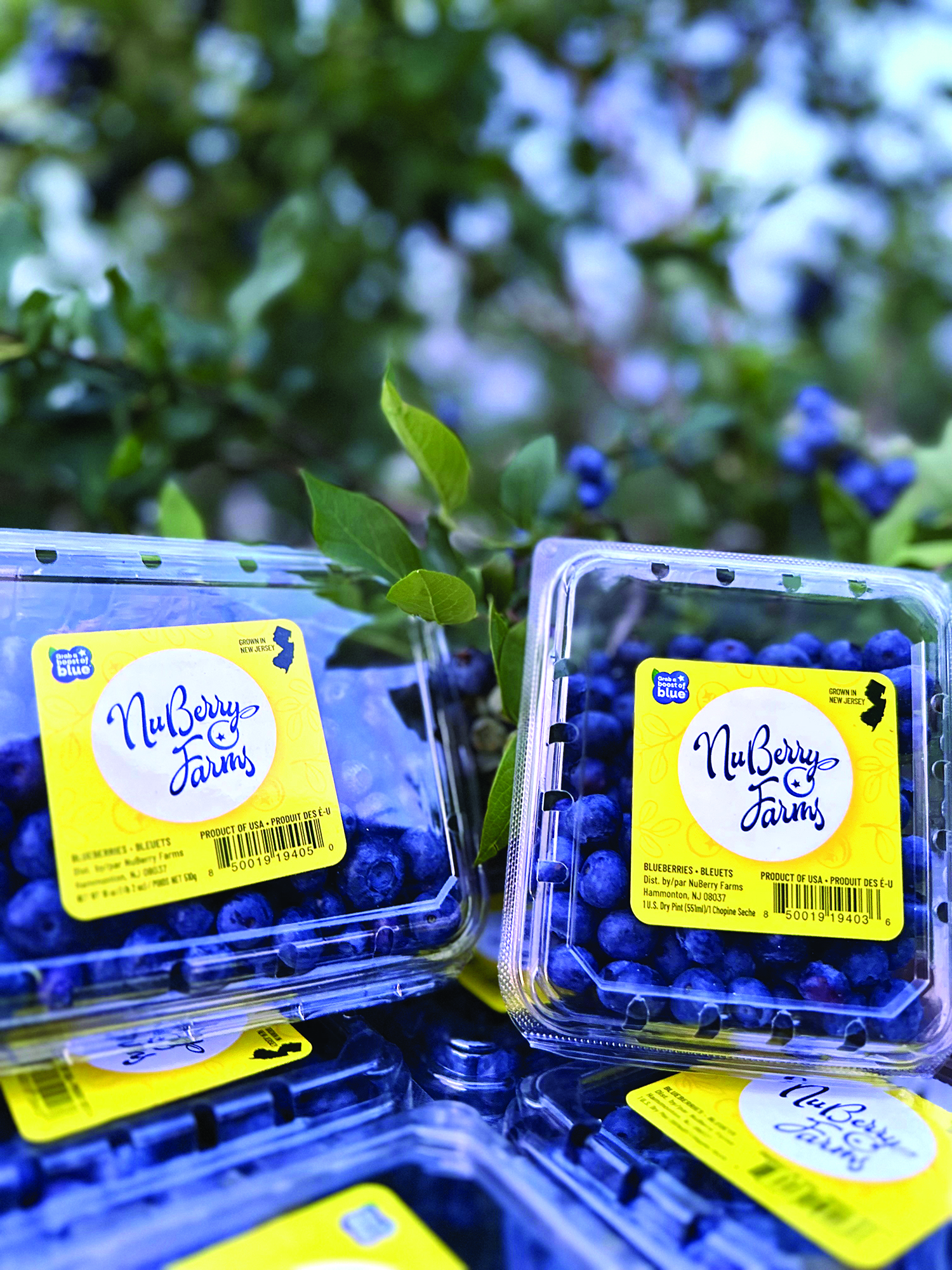
Strawberry demand remains unusually strong even after the holiday pull. Heavy retail promotions, newer varieties and uneven field estimates continue to limit availability. Salinas and Watsonville will continue gaining volume as we move into late May, but that volume cannot come soon enough. Blueberries are improving out of California and Georgia, with the Pacific Northwest and Michigan expected to begin in late May or early June. Blackberries and raspberries remain steady to improving.
Citrus remains size-sensitive. California Navels are winding down and continue to peak heavily on larger fruit, leaving 113-count and 138-count oranges extremely limited. Valencias are expected to follow a similar large-size profile, so flexibility on size and grade will be important. Small lemons are also tight, especially 165-count and smaller, with sizing peaking on 115-count, 95-count and 140counts. Offshore relief is expected over the next month.
Tomato supplies are improving as the Ruskin/Palmetto region reaches full harvest with strong quality and volume. Mexico’s Sinaloa/Sonora season is winding down, while Baja remains light. Bell peppers, cucumbers, squash and green beans remain mixed as south Florida finishes and Georgia slowly ramps up. Western production is generally steady, but major volume increases are not expected immediately.
Domestic stone fruit is under way! Peaches, nectarines, plums and apricots are leading the pack. Early-season pricing should ease in June as size and volume improve. California cherries are expected to finish short before the end of May, with Washington starting in early June. Mexican grapes have started crossing through Nogales and should be in full production by June, while California’s Central Valley is expected to begin in mid-June.
Overall, post-holiday demand relief is helping to relieve pressure, but row crops, strawberries, small citrus and select dry vegetables will need the most attention over the next few weeks. Flexibility on size, grade, region and pack style will remain important to keep orders covered.
Joey Piedimonte, sourcing manager at PRO*ACT LLC, leverages over a decade of produce industry experience to lead teams, manage key vendor relationships and simplify complex challenges. He is dedicated to growth, strong partnerships and supporting the agricultural community.