John Vena Inc. sees opportunity ahead
John Vena Inc. sees opportunity ahead
 As the specialty produce category continues to evolve in 2026, John Vena Inc. is finding opportunity in shifting consumer preferences, global sourcing and its strong roots in the Philadelphia market.
The company, long known for its expertise in specialty and hard-to-find items, entered the year facing some early challenges tied to weather conditions that affected supply both domestically and abroad.
“We had a cold and icy winter that affected crops both domestically and internationally,” said Casey Spencer, marketing manager. “This didn’t bode well for produce in general, but trends are looking up as the weather warms, particularly among tropical varieties.”
That rebound is helping to drive renewed momentum across the specialty segment, where tropical fruits and globally sourced products continue to gain traction with both retailers and foodservice operators.
Philadelphia remains central to the company’s success, offering both logistical advantages and a vibrant food culture that supports its business model.
“Being in Philly gives us convenient access to major ports, airports and highways,” Spencer said. “But it’s not only this proximity that makes a difference. There’s a wealth of food culture in Philadelphia, and we get to interact with the food players at all levels.”
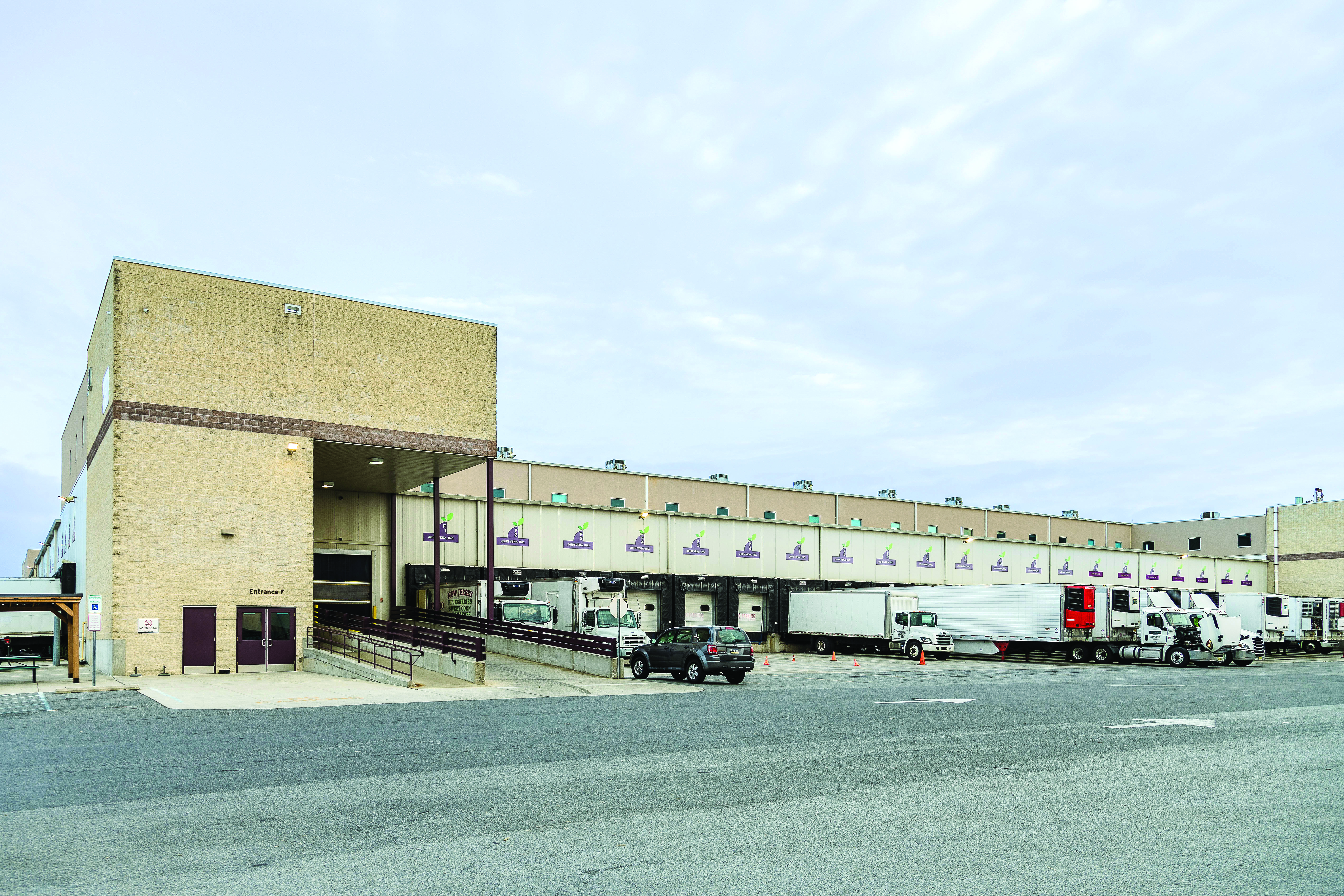
That connectivity is further enhanced by the company’s presence at the Philadelphia Wholesale Produce Market, which plays a key role in its day-to-day operations and long-term growth.
 “Our location in the PWPM has been key to our growth,” said Daniel Vena, director of sales. “Although we are all competitors, there is a tremendous amount of cooperation in providing a terrific customer experience. We trade with one another every day, and that allows for positive growth for all of us.”
On the demand side, the company is seeing notable changes driven by evolving consumer demographics, particularly as younger shoppers begin to shape purchasing habits.
“Gen Z consumers are becoming more dominant in the marketplace, which is causing strategies to evolve,” Spencer said. “We’re seeing a focus on value — not just adding value to the consumer’s dollar, but adding value to overall strategies.”
That shift is leading to increased demand for services that go beyond traditional distribution.
“There’s no more one-size-fits-all strategy,” Spencer said. “Services like repacking and ripening go a long way in adding value and customization into shifting business practices.”
At the same time, the company continues to navigate broader industry challenges, including rising costs and regulatory complexities.
 “The biggest challenges we are facing are based on the added burdens due to tariffs and the uncertainty around them,” said John Vena, company president. “It has added many layers of cost and difficulty to our processes. We are also seeing significant increases in expenses due to higher fuel costs.”
Despite those headwinds, John Vena Inc. remains focused on expanding its portfolio and developing new sourcing opportunities in the specialty space.
“We like to focus on off-season, specialty or under-supplied commodities,” Vena said. “We’re working on developing a few fruit items from Chile, continuing to build the market for coconuts from India, and expanding our pomegranate season by opening up new countries of origin.”
Up ahead, the company sees continued growth potential, particularly as consumer preferences shift toward local sourcing and broader exploration within the produce aisle.
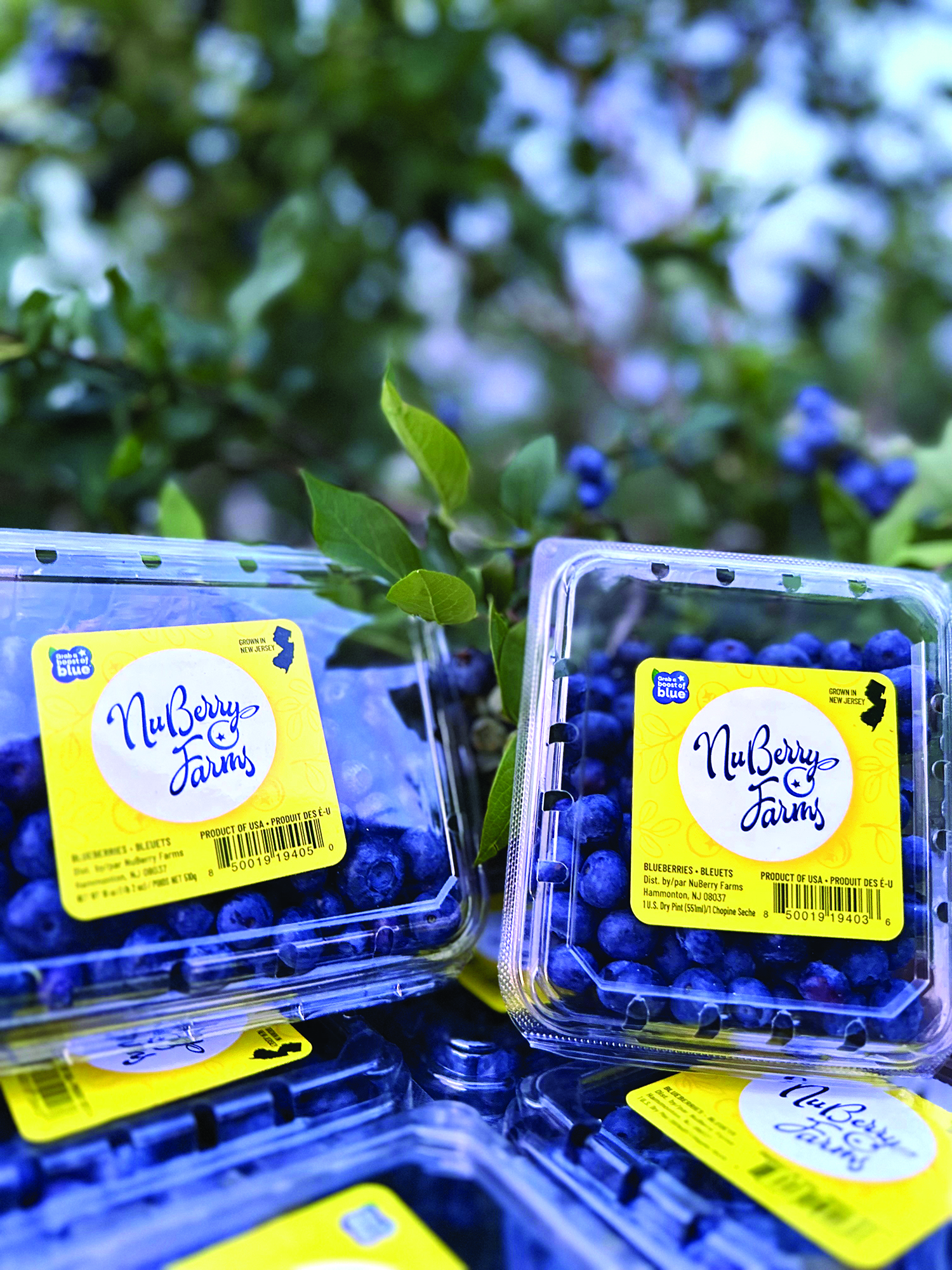
“We’re heading into an exciting season,” Spencer said. “Local varieties are just starting out of New Jersey, and we’re seeing market preferences shift from organic to locally grown produce. We’re also paying attention to trends like GLP-1 and how that can increase basket share in the produce aisle.”
With a strong foundation in Philadelphia, a focus on specialty sourcing and a willingness to adapt to changing market dynamics, John Vena Inc. is well-positioned to capitalize on the opportunities emerging across the produce landscape in 2026.