Exp. Group sets sights on building organic program
Exp. Group sets sights on building organic program
When Exp. Group brought on Richard Armata early this year to establish a fruit department to expand its traditional fruit offerings, a key part of that is organic produce.
Anthony Serafino, president of the North Bergen, NJ-based Exp. Group, said Armata’s mission is to help the company fulfill customers’ needs for apples, pears, berries and other fruit. Offering organic options alongside conventional mainstays in the produce department has grown into a necessity for retailers — and a growing desire for foodservice operators — so it’s a part of that mission.
“It’s not a core specialty, but it’s something we’re doubling down on,” Serafino said. “Clients want you to carry the full line, and whether that’s specialties or organics, I know the Exp. Group is really putting together a very strong produce program.”
Serafino said he’s looking forward to attending the Organic Produce Summit, July 13-16, in Monterey, CA.
“Looking at what retailers are asking for in terms of organics, their needs on organics are growing and we’re trying to stay on top of that trend,” Serafino said, “and lot of our capital expenditures are going to rolling out a good organic program.”
Serafino said the company will be working with current suppliers and growers, as well as new ones.
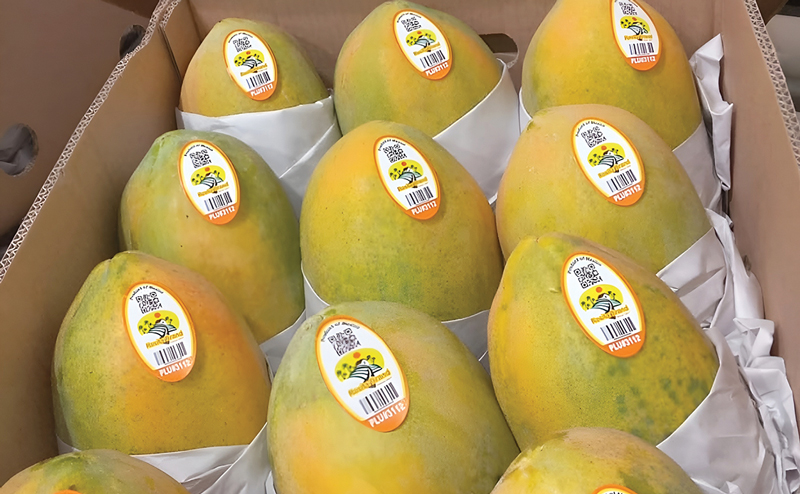
Exp. Group initially was focused on tropicals — bananas are the company’s highest-volume item, and it also carries citrus, dragonfruit, papaya, yuca and numerous other items — but it’s been expanding inventories. Serafino sees the addition of traditional fruits and organic items as another step in Exp. Group’s evolution. “We feel Exp. Group is in a great position to get involved in these SKUs to really service our clientele well,” he said.
Younger shoppers and healthy choices
Organic produce sales continue to increase, according to the Organic Produce Network, the organizer of the Organic Produce Summit and Organic Grower Summit. In its recent report on 2025 organic performance at retail, the OPN charted $10.6 billion in organic produce sales, a 5.9 percent increase from 2024, and far outpacing the conventional produce sales growth of 1.3 percent.
Serafino, who attended the International Fresh Produce Association’s Retail Conference at the end of April in Phoenix, said a panel discussion demonstrated the surge in demand for conventional and organic produce among younger consumers. The IFPA’s 2026 State of Retail focused in emerging trends, with a Gen Z and Alpha perspective.
The panel featured university students and got Serafino thinking.
“That’s the consumer of the future, and where the consumer is, that’s where we want to be,” Serafino said.
TikTok, Instagram and other social media platforms are influencing merchandising and purchasing decisions among young consumers.
“Younger consumers are interested in eating healthier, but they’re conscious about pricing,” Serafino said. “Organic produce is more expensive (than conventionally grown produce), but it does seem like their willing to spend on healthy items.”
The overwhelming demand for Ozempic and other GLP-1 drugs that suppress appetites demonstrates the need for the industry to continue to stress health and nutritional options in retail produce departments.
“There’s just a need for healthier eating across the board,” he said.
While most fresh produce is sold at grocery stores and related businesses, including mass merchandisers, Serafino said some Exp. Group foodservice operators are interested in organic options from the company.
“The foodservice client is about convenience, and serving their clients correctly,” he said.