Trendspotting: Consumers want a return on their fresh produce investment
Trendspotting: Consumers want a return on their fresh produce investment
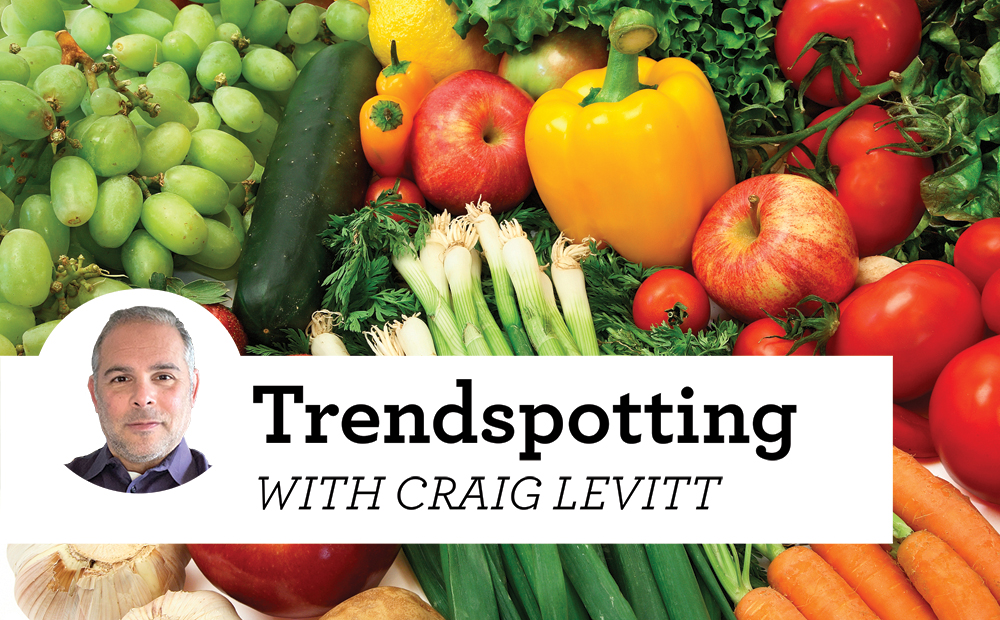
Over the years I have read numerous reports and surveys on fresh fruit and vegetable consumption. In nearly all of them, in one form or another, respondents say they want to eat more fresh fruits and veggies. Want and do, of course, are two totally different animals. Some of the biggest deterrents usually include concerns over “getting a bad piece of fruit and not eating it.” When you buy a potato chips or pretzels you know what you are getting.
This leads into another concern — cost. Often consumers are hesitant to buy fresh produce because of the cost associated and return on investment — i.e. they are not going to eat what they buy.
That concern may just be getting bigger for those not raking in the big bucks — it’s not even the big bucks, even those bring in moderate bucks are tightening their purse strings. The Income Divide, a new report from Upside, examines how a widening gap in consumer behavior is reshaping retail demand. The findings, drawn from more than 10 billion transactions and surveys of 3,500-plus consumers, reveal that high- and low-income consumers are making fundamentally different decisions about where and how much to spend.
Among the key findings:
- Consumer behavior splits sharply at $75,000. Above that household income threshold, consumers report increased spending and growing confidence in their financial outlook. Below it, consumers are pulling back — and the gap shows no sign of closing.
- Lower-income consumers are cutting essentials, not just discretionary spending. Groceries and fuel — categories most Americans consider non-negotiable — are among the areas where lower-income consumers report reducing trips and spending less. The financial pressure on this group is more acute than topline metrics suggest.
- Mass promotions risk missing both groups. Blanket offers to higher-income consumers give away margin on transactions that would have happened anyway. Insufficient offers to lower-income consumers mean fewer trips. The same strategy can underperform with both populations simultaneously.
“Right now, you can ask two people how the economy is doing and you’ll hear three different answers,” said Thomas Weinandy, Upside’s principal research economist. “The income divide means households are experiencing widely different realities while looking at the same thing. This becomes a challenge for retailers on how to provide the most value for consumers with such disparate behavior.”
Specific to grocery, between 2024 and 2025 household incomes under the $75,000 mark are spending 14 percent less, while those above are spending 3 percent more. Getting back to the chips versus apples dilemma, the report states that lower-income household look to “minimize risk” in making purchases as they ask, “Can I afford this” while hunting lowest prices and best deals when they shop.