Industry Viewpoint: Food rescue turns surplus into support
Industry Viewpoint: Food rescue turns surplus into support
Across farms, grocery stores and supply chains, surplus food is continually at risk of not getting to where it’s needed most. Every year in the United States, approximately 92 billion pounds of perfectly good food goes uneaten, as families face challenges accessing nutritious food to put on their tables. While many people volunteer or donate, there remains a critical need to rescue food and address food insecurity. Feeding America fills this gap by ensuring perfectly good food can safely make it from fields and grocery shelves to community members nationwide.
The Feeding America network brings national scale to food rescue through a network of more than 250 food banks, over 20 statewide food bank associations and 10 regional cooperatives serving every county in the U.S. and Puerto Rico. Working together, these organizations focus on ensuring good food is rescued and reaches neighbors facing hunger.
Food rescue helps bridge the gap
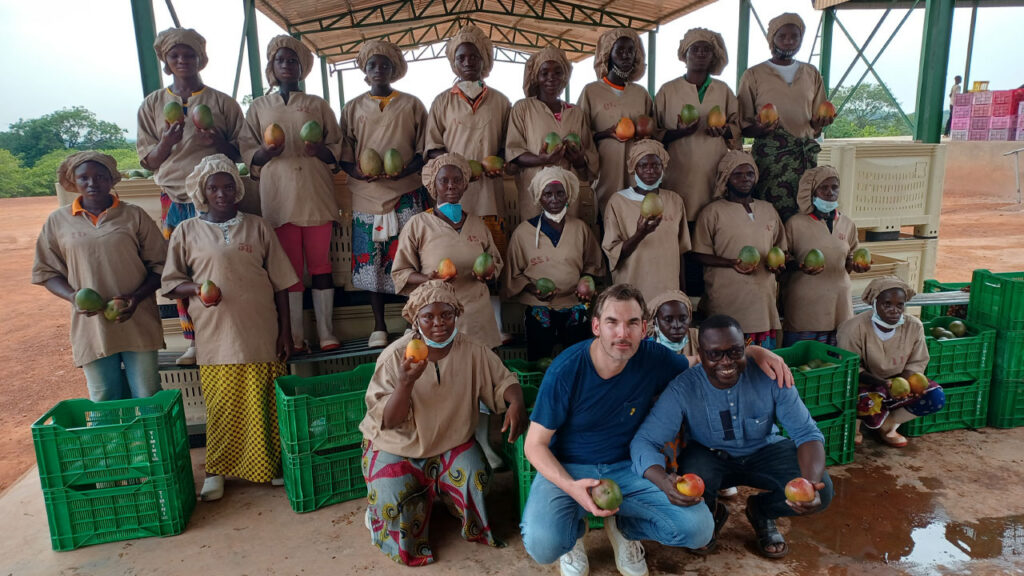
Since fruits and vegetables are highly perishable, even small issues can put entire shipments at risk. Just a few hours in improper conditions can determine whether food can reach local communities safely. Addressing this challenge requires close collaboration between the Feeding America network and farmers. Whether it’s a couple of pallets or several truckloads of produce, the Feeding America network ensures that wholesome food is rescued and can be used to nourish families.
When the partner organizations reach out about recovering pallets or loads, the network thoroughly assesses the opportunity. They document conditions and explore options that prioritize both food quality and minimize excess. A load may be partially accepted, reworked for distribution or rerouted to another location where it can still be used. These small adjustments ensure good food can make it safely to the tables of neighbors facing hunger nationwide. Through these efforts, the Feeding America network in 2025 rescued 4.3 billion pounds of wholesome food, including 971 million pounds of produce from growers.
In addition to these measures, Feeding America has several partnership agreements with other food rescue organizations that help connect farms with food banks when surplus produce is available. These partnerships help improve response times and ensure that good food has multiple pathways to reach communities.
Technology supporting people through MealConnect
While collaboration is powered by people, technology plays an essential role in enabling fast and effective food rescue. Recognizing the need for a dedicated online platform, Feeding America launched MealConnect in 2017 to streamline the process of moving surplus food. MealConnect allows organizations to act quickly, minimize delays and provide Feeding America members with immediate access to critical information.
Since its launch, MealConnect has helped rescue more than 8 billion pounds of food. These figures further highlight the team’s collaborative efforts to make food easier to access and share. Donors can access the app on their smartphones and list their available loads in just a few minutes. They can view local requests and coordinate pickups or deliveries with nearby food banks and agencies. By providing improved technology and a user-friendly interface, Feeding America is fostering a more collaborative space for users across the U.S.
State laws encourage food rescue at the checkout line
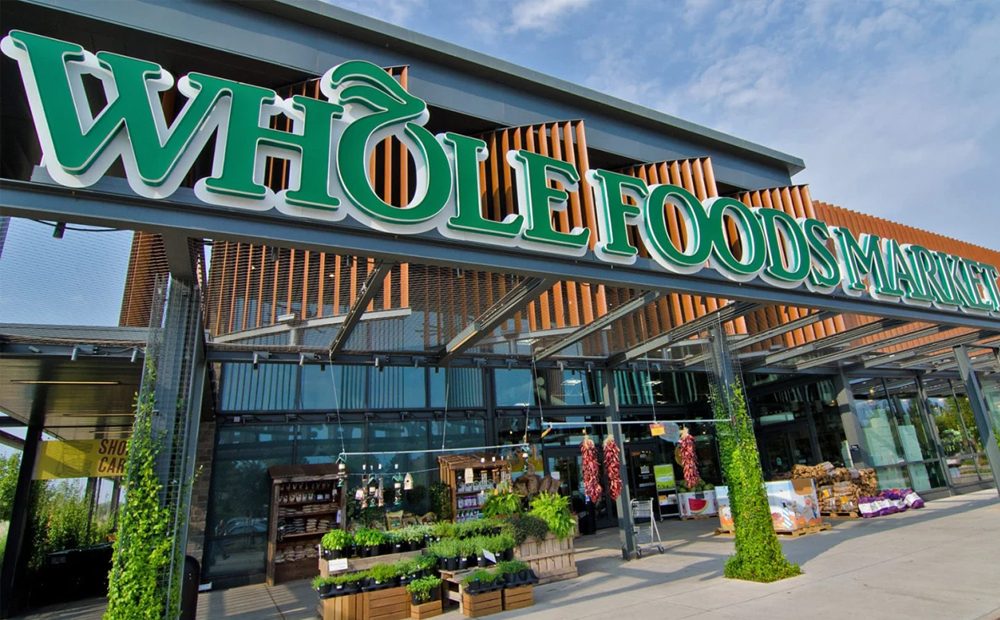
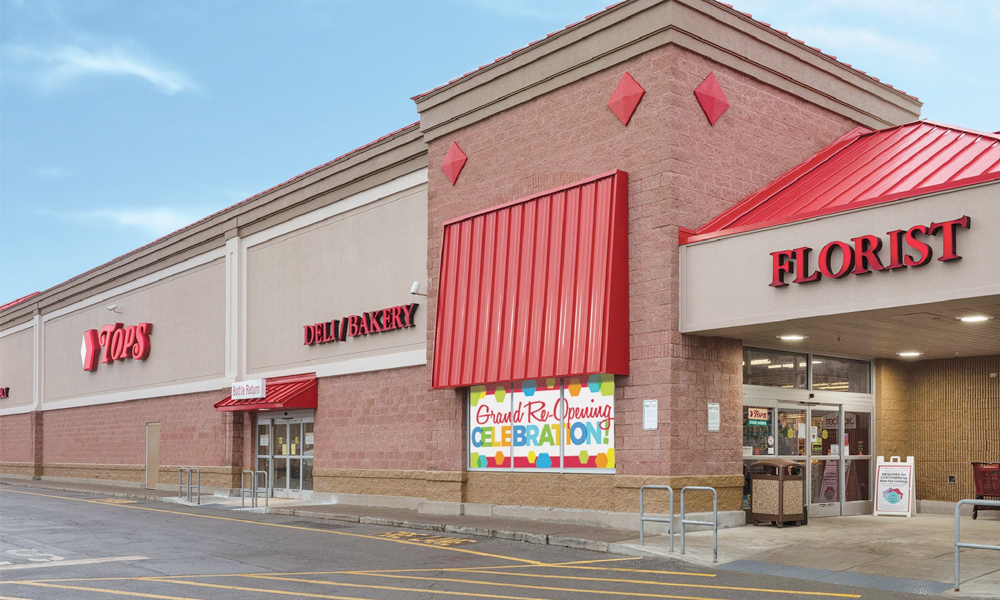
Since the 1960s, food banks and partner agencies have been the driving force in food rescue. However, lawmakers are beginning to look to retailers and businesses to encourage food rescue from the start. In California, Senate Bill 1383 requires certain food distributors, such as retailers, grocery stores and restaurants, to donate surplus food to local food rescue agencies. CalRecycle reports that since 2018, 295 million pounds of food that would have gone uneaten have instead been redirected to food rescue programs. Through community advocacy and local initiatives, more states across the U.S. are looking to adopt similar programs.
At the national level, the Food Date Labeling Act would standardize the use of “Best by” labels on food products. These labels and dates, currently set by manufacturers, often refer to quality rather than the product’s actual shelf life. Additionally, the Zero Food Waste Act would provide grants to communities and states to help fund food recovery measures by supporting initiatives to prevent surplus, recover safe foods, and expand recycling efforts. These proposals reflect growing legislative efforts to address the environmental and social impacts of surplus food.
A shared commitment to a better future
Rescuing food and fighting hunger will take all of us working together, but it is also deeply impactful and results in stronger communities in our nation. By redirecting good food to people facing hunger, the Feeding America network and its partners play a crucial role in increasing access to nutritious food and supporting the environment . Surplus food becomes opportunity and challenges become progress toward nourishing communities across America.
This work is possible because of Feeding America’s food rescue partners, including farmers and retailers of all sizes. Our ongoing commitment to food rescue promotes a more sustainable food system that ensures everyone has access to what they need to thrive.
To learn more about partnering with the Feeding America network visit www.feedingamerica.org/our-work/reduce-food-waste or contact [email protected].