A.V. Thomas Produce sees upward trend in demand for organic sweet potatoes
A.V. Thomas Produce sees upward trend in demand for organic sweet potatoes
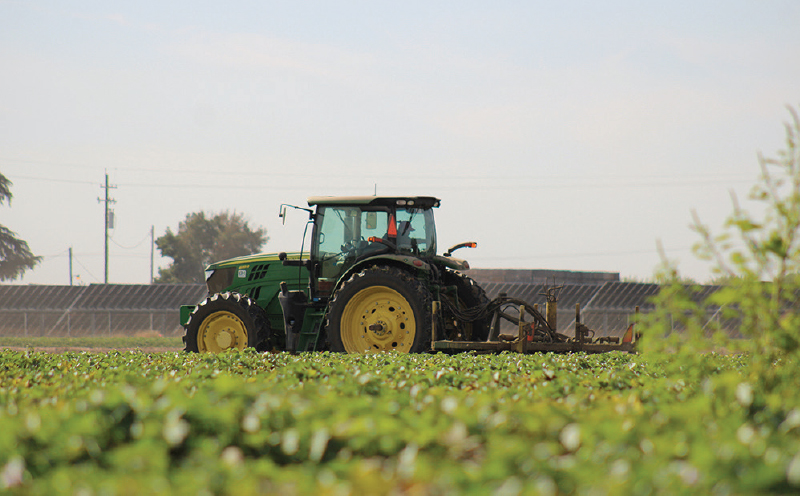
A.V. Thomas Produce is committed to cultivating the freshest, healthiest and most sustainable certified organic sweet potatoes.
Jeremy Fookes, director of sales for the Livingston, CA-based company, noted that 2026 has started off strong, especially on the organic side of its sweet potato program.
“Sales have remained solid early in the year, and we’re continuing to ship a consistent quantity of product across the country, into Mexico and Canada, as well as some international markets,” he said. “We are blessed to have had a nice wet winter, and we were still able to stay on schedule — applying compost and establishing our winter cover crops on time, which is critical for our organic system.”
The company is currently on schedule to begin transplanting slips the first week of April.
“Year-round supply starts with strong partnerships with our customers,” said Brian H. Escobar, director of organic and compliance for A.V. Thomas Produce. “From there, it comes down to attention to detail across the entire operation — from crop rotation, soil building, irrigation and organic fertility programs to clean, pest-free storage and high-quality and efficient packing operations. Every step is carefully planned and executed, supported by a strong team that takes pride in delivering consistent quality year-round.”
As of early April, the company continues to see a consistent upward trend in organic demand, with spring performance outpacing prior years.
“Consumers remain focused on health, transparency and clean-label foods, which continue to support the organic category,” Escobar said. “Retailers are also giving more shelf space to organic items, helping drive visibility and velocity.”
Organic orange flesh sweet potatoes (red or orange skin) remain the category leader, but interest in specialty varieties, Japanese and purple sweet potatoes continue to grow, particularly with retailers looking to differentiate their assortment and appeal to more adventurous or health-focused consumers.
“We’re focused on making the organic category easy to shop and easy to execute at store level,” Fookes said. “That includes retail-ready packaging, private label programs and merchandising support that highlights the versatility of sweet potatoes for spring and summer occasions. We’re also working with customers on value-added formats that improve convenience and reduce shrink.”
Organic production in 2026 is being squeezed from all sides — input costs for fertilizers and pest control are high and volatile; labor costs continue to rise; and water uncertainty in California makes long-term planning and security difficult.
“At the same time, the administrative burden has grown significantly, with customers requiring documentation to be uploaded across multiple platforms, along with new social compliance audits and more rigorous organic and food safety certification requirements,” Fookes said.
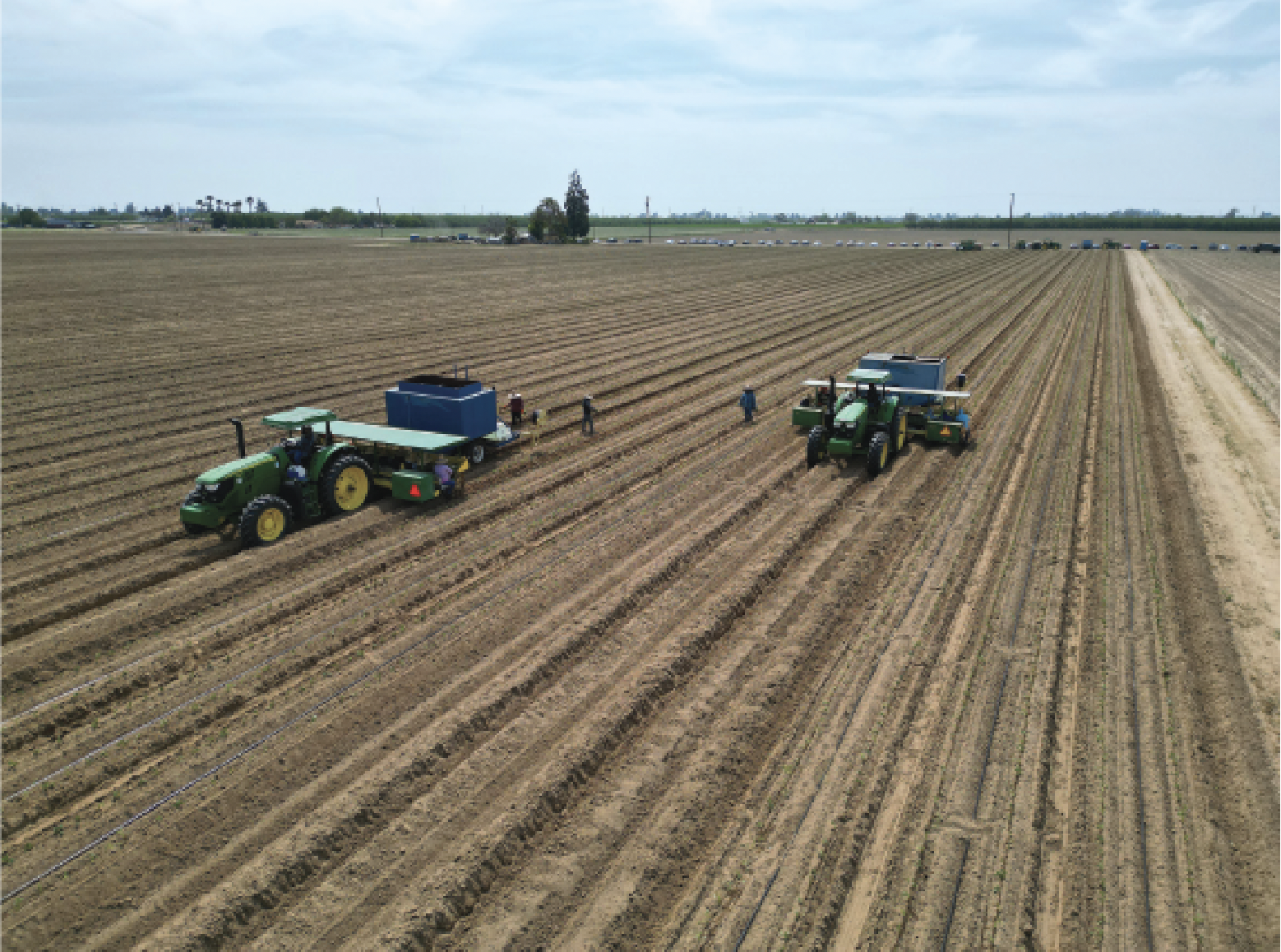 The company is also experiencing higher costs tied to employee training, audits and maintaining compliance across multiple programs.
“The stacking effect of these operational and regulatory pressures is one of the biggest challenges facing organic growers and packers today,” Escobar said.
Sustainability is a core focus of A.V. Thomas Produce’s organic program, and it starts with soil health.
“We invest heavily in cover crops, crop rotation, compost applications and overall soil-building practices to improve long-term productivity and resilience,” Escobar said. “Water efficiency is another key priority — we operate with 100 percent drip irrigation and focus on conservation, including recycling water used during washing and packing operations. We also use integrated pest management, efficient equipment and continuously look for ways to reduce inputs and waste.”
Looking ahead, the company sees continued long-term growth in the organic sweet potato category, driven by consumer demand for healthy, versatile and sustainably grown foods.
“Opportunities exist in expanding specialty varieties, increasing value-added offerings and strengthening retail merchandising,” Fookes said. “At A.V. Thomas, we’re investing in acreage, infrastructure and customer partnerships to ensure we can scale alongside the category and remain a reliable, solutions-oriented supplier for years to come.”