PRO*ACT Crop Update: Running hot in the desert
PRO*ACT Crop Update: Running hot in the desert

As February closes, it is becoming clear the Arizona-California desert deal is running approximately three weeks ahead of schedule.
A combination of earlier rainfall followed by sustained above-average temperatures accelerated crop development across much of the Yuma region. Fields matured faster than anticipated, compressing harvest windows and tightening the overall production curve. While crews are still cutting and sheds are running steadily, the calendar is effectively ahead of itself.
 When the desert season advances this quickly, it reduces the cushion that typically exists in late February and March. Acreage that would normally be carrying the market deeper into spring is scheduled to be harvested sooner, and yields remain lighter than normal. The lack of demand across the country is creating a false sense of adequate supplies.
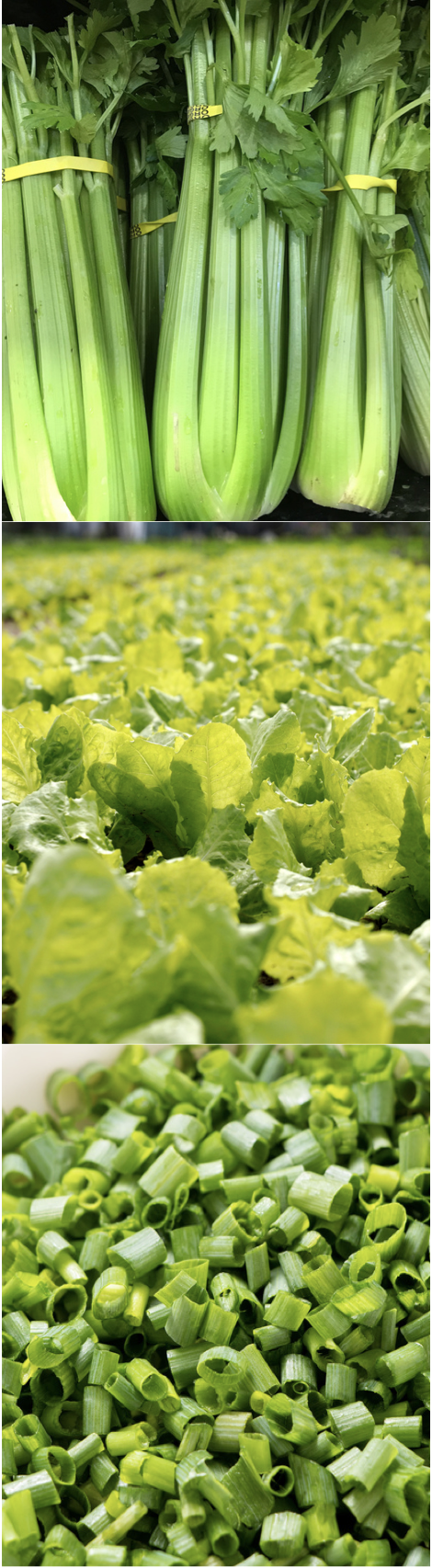
Lettuce supplies have shown modest improvement this week, particularly on iceberg. Romaine continues to be the most available, with strong internal quality and good color. Green leaf remains steady but is sensitive to any uptick in movement. Despite the short-term stability, there is little excess.
Brassicas are mixed. Brussels sprouts supplies have improved meaningfully after several weeks of elevated markets, with better volume and more orderly pricing. Broccoli remains snug, particularly as Mexican relief tapers and desert yields continue to feel the effects of earlier weather disruptions.
Celery continues to carry an elevated tone. Prior storm damage in California and limited recovery out of Florida have restricted overall output. Desert production is steady but not heavy enough to fully relax pricing.
Green onions remain one of the more challenged items. Winter seed performance issues, November rainfall, and early January wind events combined to reduce yields and prolong sizing issues. Smaller sizes are expected to persist for several more weeks.
Beyond the products, cross-border logistics have introduced additional uncertainty. Recent disruptions in Mexico have led to rerouted freight, tighter refrigerated availability, and slower crossings. Tomatoes, peppers, limes, avocados, mangos and berries are most exposed. While shipments across the border continue, volatility has increased, and transit timing bears monitoring.
As demand builds into early spring, markets may respond more quickly than typical.
Yuma is still performing, but the margin for error is narrowing.