In the Trenches: Don’t slam the door on progress
In the Trenches: Don’t slam the door on progress

A sales representative placed a call to the produce buyer of a large supermarket chain. “Hi, I’d like to set up an appointment to show you some new fresh-cut salad mixes of organically grown baby lettuce varieties that include organic salad dressings. The bags are biodegradable and very consumer-friendly.”
Without hesitation, the buyer replied, “No thanks, we don’t need another salad mix. We’re out of shelf space now on packaged salads. Besides, we’ve been doing business with the same supplier for five years and don’t want to change. Sorry, I’m in a hurry, good-bye.”
It’s sad how some buyers think like that and pass over new items or marketing ideas. They respond negatively without even taking a little time to see the product and program. That mindset is an internal resistance to adapting to change. Some just do not want to move from old routine practices to new trends.
Fortunately, not all produce buyers fall into this resistant group. Most are smart, sensible buyers who will take time to listen, examine and welcome new product and idea trends.
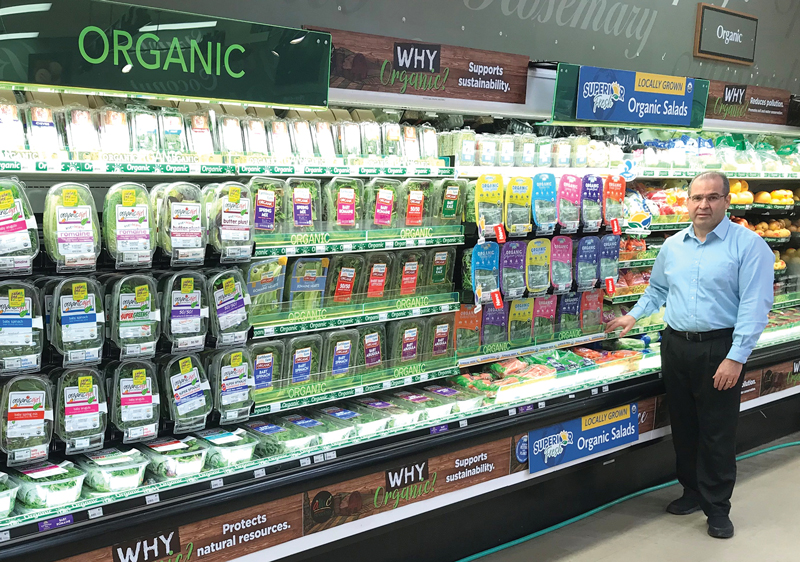 Vince Mastromauro, produce director for Sunset Foods in Highland Park, IL, said, “We’re always open to new produce items and ideas. Fresh-cut packaged produce items are still expanding with innovative programs — especially trendy diverse salad mix blends. We want to offer our customers something new in choices and let them make their own purchasing decisions.”
The negative, hurry-up, don’t bother me, I’m too busy buyers close the door on changes that may interfere with their comfort and convenient zone.
Increased inaction decreases sales. Many growers and shippers have told tales about their frustrating experiences in trying to deal with unyielding produce buyers who will not take the time to embrace new items and programs. This unwillingness to explore and consider new ideas usually winds up losing valuable sales opportunities in the long run.
Putting off opportunities can make losers out of a produce operation in the short run. If this bullheadedness is allowed to continue by companies, it will quickly drag down the sales and profit bar.
There are buyers who are very astute when it comes to product knowledge. However, they could be ill-adapted in handling themselves with salespeople who try to get new items in front of their faces. They eventually end up paying the price after their competitors have successfully promoted it.
A supplier told a story about an incident he recently experienced with the head produce buyer of a major supermarket chain. It involved a new high-graphic packaging design.
The supplier contacted the head buyer and explained all the details about their new salad mix packaging bag that was developed to be consumer-friendly.
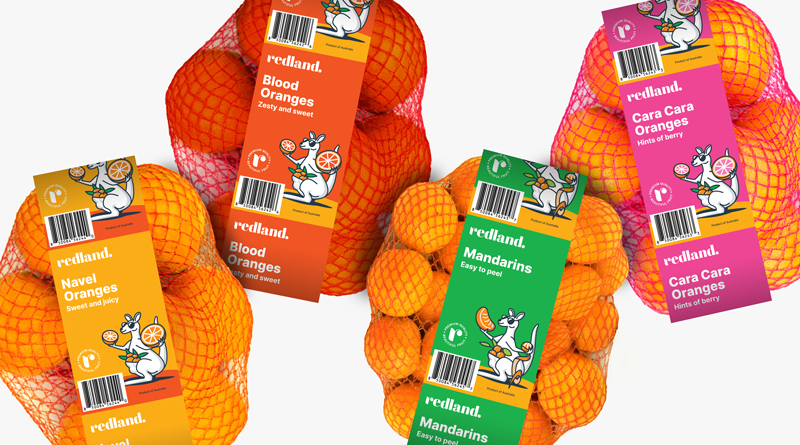
The label included some information for consumers: a short history of salads, nutritional value, a sales coupon and storage instructions. This was all surrounding the clean, top-quality salad mixes in the bags.
The produce buyer replied, “We already have several suppliers for packaged salad mix. Their packages are fine and our customers don’t care about the labels anyway. They just want salad mix.”
The supplier offered to send samples to the buyer, which was refused. He sent the samples anyway and what do you think happened?
The head produce buyer called the supplier and said that the high-graphic bags were very attractive and admitted to having been more receptive. He then immediately placed several orders with the sales rep.
What does this story prove?
It’s not enough today to just be a produce buyer and have some knowledge. The important factor is that a buyer must understand the overall business in today’s trending environment.
Produce buyers should not have a separate agenda by closing the doors to the outside world.
The comfort and convenient days are over. Adapting to newer and different creativity will increase sales and market share.
Ron Pelger is a former director of produce merchandising and procurement for a major supermarket retail chain. He is currently a free-lance writer for the produce industry supporting growers, shippers, and retailers. He can be contacted at 775-843-2394 or by e-mail at [email protected].