Northland Potatoes sees positive developments on policy and nutrition
Northland Potatoes sees positive developments on policy and nutrition
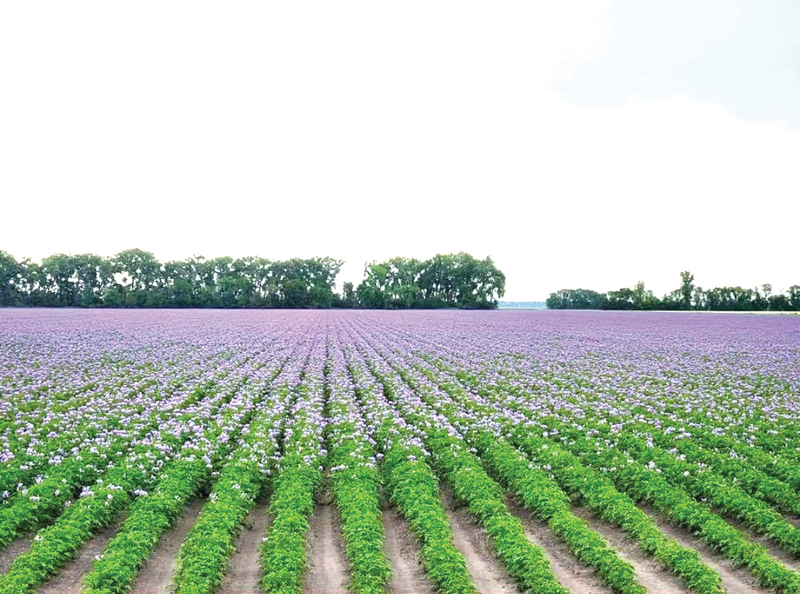
Northland Potatoes has spent nearly eight decades bringing together growers across Minnesota and North Dakota, and as the organization moves through the current shipping season, its role as an advocate, promoter and connector for the region’s potato industry remains as important as ever.
Formed in 1946, the Northland Potato Growers Association (as it was originally called) represents more than 250 growers and shippers farming in the Red River Valley, one of the most fertile potato-growing regions in the world. Today, potatoes are grown on approximately 72,000 acres in North Dakota and 8,800 acres in Minnesota, forming the backbone of a diverse fresh, processing, chip and seed industry.
The new crop came out of the field in solid shape despite the inevitable challenges posed by weather.
“Mother Nature always wants to put her hand in the mix,” said Gary Shields, executive director of Northland Potatoes, “but overall, we had a good crop quality, and we’re shipping.”
The industry is currently focused on moving product and preparing seed for spring planting.
Recently, growers have welcomed more positive developments on the policy and nutrition front. Shields pointed to recent changes in how potatoes are positioned in dietary guidance, noting that updated frameworks better reflect the crop’s nutritional value.
“Potatoes are a nutritious product with great fiber,” he said. “They’re a critical part of nutrition in schools, institutions and homes, and it was good to see that recognized.”
Looking ahead to the upcoming planting season, acreage is expected to remain relatively stable following a modest reduction in planted acres last year. However, longer-term growth opportunities are already taking shape.
A new processing facility planned for the region is driving trials and conversations around future expansion, with the potential to add thousands of acres over time once operations begin later in the decade. Existing processors, including Cavendish Farms and Simplot, have also made recent investments in expansions and cold storage, reinforcing the region’s strength in value-added processing.
Variety development remains another key focus area. Shields noted ongoing collaboration with universities, USDA researchers and Potatoes USA to advance new varieties across the chip, fry and fresh markets.
At the regional level, efforts such as the Fast Track Program at Northwood Potato are aimed at accelerating the process of bringing new varieties to commercial scale.
“The bottom line is getting varieties to market,” Shields said. “That’s what growers need.”
The association has also been active on the legislative front, achieving tangible wins for growers. One recent success involved changes to taxation rules for potato storage, clarifying the distinction between commercial and agricultural use and reducing costs for farmers. Incentive funding has helped attract new opportunities to the region, while ongoing engagement with policymakers keeps transportation, labor and infrastructure issues front and center.
On the production side, growers across the Red River Valley continue to invest heavily in technology and quality control, particularly for the fresh market. Shields noted that while quality has always been a hallmark of the region, new tools and systems are helping ensure that buyers and consumers receive the best possible product. The seed sector remains strong, and the chip industry continues to advance alongside fresh and processing segments, giving the region a balanced and resilient industry mix.
Promotion and consumer education are also evolving. As eating habits shift and new health trends emerge, Northland Potatoes is expanding its promotional efforts to better connect with consumers.
“You still need carbohydrates and protein,” Shields said. “The potato plays a very good role in nutrition, fiber and supplementation, and it will always be a staple.”
This year, the association’s priorities remain clear: supporting responsible acreage growth, strengthening transportation and infrastructure, advancing research and, varieties and ensuring growers remain profitable in a market defined by fluctuation.
“We plant our feet, plant our seeds and go to work,” Shields said. “The potato industry is a strong and essential part of the food chain, and we’re proud to be part of that journey.”