Nash Produce relies on diversified grower base for its sweet potato program
Nash Produce relies on diversified grower base for its sweet potato program
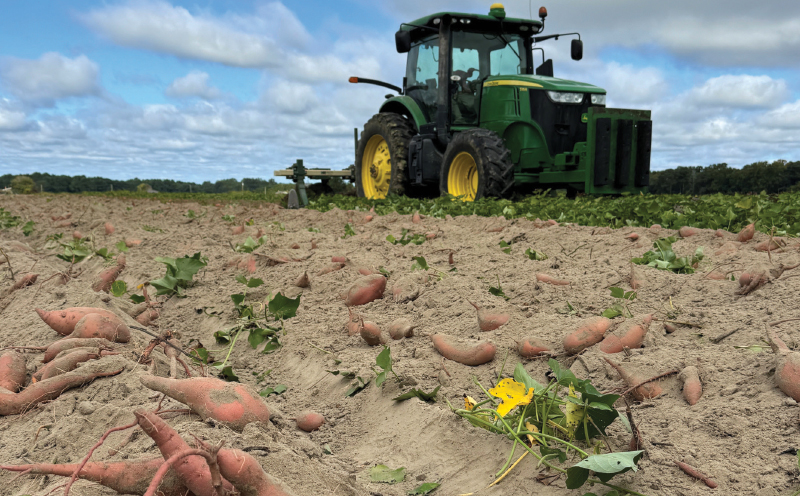
Nash Produce has built a nationally recognized sweet potato program by focusing on consistency, planning and long-term relationships across the supply chain.
Operating as a packer-shipper, the Nashville, NC–based company works with a broad network of growers to ensure reliable, year-round supply while maintaining the quality standards customers expect.
Nash Produce sources sweet potatoes from approximately 75 to 80 growers, primarily across eastern and southern North Carolina. That diversified grower base is intentional, helping the company reduce risk and maintain continuity in the face of unpredictable weather events.
“We don’t want all our eggs in one basket,” said David Bradley, director of business development for the company. “By spreading production across different areas, we can better protect supply if there’s a hurricane or other challenge and make sure we have product available all year.”
Harvest typically runs from September through Thanksgiving, after which sweet potatoes are brought into temperature-controlled storage. From there, Nash Produce packs from inventory throughout the year, serving retail, foodservice, processing and export customers.
Having visibility into inventory early in the season plays a critical role in planning.
“Once harvest is finished, we know what we have in storage,” Bradley said. “That allows us to forecast the rest of the year, plan weekly pack schedules, and allocate product to customers with confidence.”
After a difficult 2024 crop, Bradley said the 2025 season has been a welcome improvement.
“We started a little earlier this year, and the crop has been average overall, but quality has been good,” he said. “We’ll have enough product to carry us through the end of the year.”
Demand was especially strong in January, which Bradley attributed in part to consumers becoming more health-conscious following the holidays.
“We came off the holidays with a really strong January, and we’re doing everything we can to keep consumption strong through the rest of the year,” he said.
Quality and consistency remain the foundation of Nash Produce’s sweet potato program. The company works closely with growers who follow strong agricultural practices and maintain appropriate certifications, and that attention continues once the product reaches Nash’s facilities.
“We have stable storage facilities, a strong quality control team, and a production team that makes sure everything going out is top-notch,” Bradley said. “Our customers expect a premium product, and it’s our job to deliver that value every time.”
In terms of varieties, Beauregard remains the core of Nash Produce’s sweet potato business and continues to be the most widely recognized variety in the market. At the same time, Covington has been gaining traction over the past several years.
“Covington is still our bread and butter,” Bradley said. “But Murasaki has definitely picked up momentum and continues to grow in acceptance.”
Consumer demand for sweet potatoes continues to be driven by health trends and versatility. Bradley pointed to increased interest in nutrition at the start of the year, as well as the growing influence of social media on how consumers prepare and use sweet potatoes.
“We’re seeing more social media trends that highlight sweet potatoes in different ways,” he said. “That, combined with health-focused consumers, has helped drive demand across the country.”
Like many in the produce industry, Nash Produce is closely monitoring planting decisions to avoid overproduction.
“One of the biggest challenges is making sure we don’t overplant,” Bradley said. “With commodity markets under pressure, it’s important for the industry to stay balanced.”
Up ahead, the company sees opportunity in value-added sweet potato products, where convenience continues to resonate with consumers.
“Convenience is a big driver,” Bradley said. “Expanding our value-added lines and continuing to grow that segment is a key opportunity for us. Exploring growth in specific varieties is also part of our long-term outlook. At the end of the day, it’s about creating value. From our growers to our customers and all the way to the consumer, that’s what we’re working toward every day.”