Sweet potatoes see increasing growth
Sweet potatoes see increasing growth
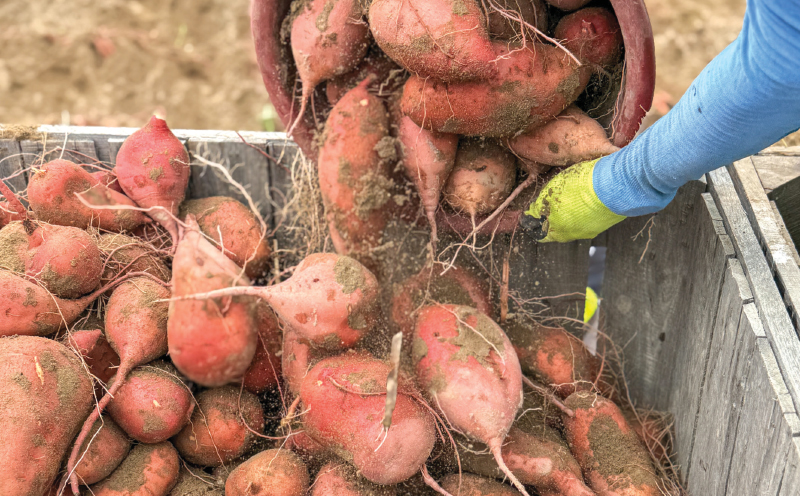
The sweet potato category continues to build momentum across the U.S. produce landscape, evolving from a seasonal staple into a year-round performer with growing relevance in both retail and foodservice.
Long associated with holiday meals, sweet potatoes are now benefiting from shifts in consumer behavior that emphasize health, culinary versatility and convenience, alongside operational advances from growers and shippers that support consistent supply throughout the calendar year.
Demand trends show steady growth, with retail emerging as the strongest driver. While foodservice volumes declined during the pandemic, that business has largely recovered, and retail sales have expanded beyond traditional peak periods. Consumers are purchasing sweet potatoes more frequently outside of November and December, particularly in the early months of the year when health-focused eating habits are top of mind. This broader usage has helped stabilize demand and reduce reliance on short seasonal surges.
Production remains regionally diverse, with California and North Carolina playing central roles. California sweet potatoes are often differentiated by appearance and consistency, with fewer cosmetic defects and tighter sizing standards. West Coast growers tend to emphasize premium quality, which aligns well with retail programs that require uniformity and reliable presentation.
Eastern producers, meanwhile, contribute significant volume and storage capacity, allowing the industry to meet year-round needs through carefully managed harvest and curing programs.
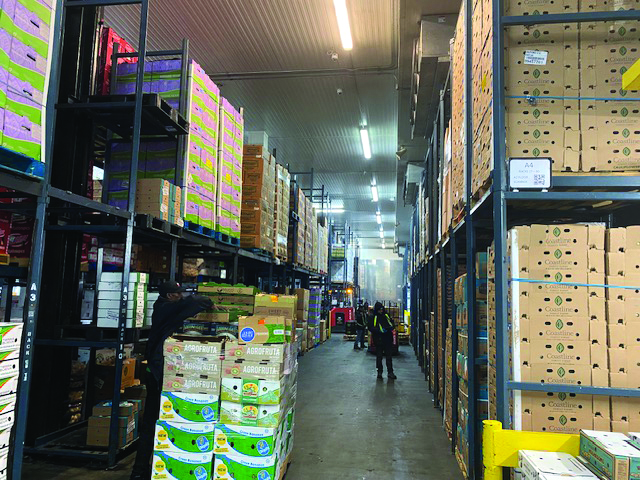
Across regions, storage has become a cornerstone of the category’s success. Sweet potatoes are harvested in the fall and held in temperature-controlled environments that preserve quality and allow for steady distribution throughout the year. This approach gives shippers better visibility into inventory and enables more precise forecasting, helping retailers plan promotions and maintain consistent shelf presence.
Variety diversification is another important factor shaping the category. While orange-fleshed sweet potatoes remain the dominant choice due to their familiar flavor and creamy texture, interest in alternative types continues to grow. Purple sweet potatoes are gaining traction for their distinctive color and nuttier taste, while Japanese-style varieties appeal to shoppers looking for something less sweet and more chestnut-like. White and red types also retain niche followings, particularly for specific culinary uses. Rather than focusing strictly on varietal names, many suppliers now emphasize color, flavor and functionality to help consumers navigate the category.
Value-added products are increasingly influential in driving incremental sales. Microwavable packs, steamer bags and pre-sized or pre-packed options cater to shoppers seeking convenience without sacrificing freshness. These formats also support impulse purchases, especially when paired with secondary displays or prominent in-store merchandising. Retailers that allocate additional space and highlight ease of preparation are seeing stronger movement, particularly outside peak holiday windows.
Organic sweet potatoes represent another area of sustained growth. While conventional demand remains solid, organic sales continue to rise at a steady pace, reflecting broader consumer interest in organic produce and transparency in farming practices. Long-standing organic programs are benefiting from established trust and consistent supply.
In the years ahead, the sweet potato category faces both opportunity and restraint. Growth projections remain favorable, but producers are mindful of avoiding overplanting in a market that has become more competitive and cost sensitive.
Labor availability, automation challenges and the irregular shape of sweet potatoes complicate efforts to fully mechanize packing operations, particularly in regions where premium quality standards are high. As a result, investments tend to focus on targeted efficiency gains, food safety, and scalable systems rather than wholesale automation.
Overall, sweet potatoes are outperforming many traditional produce categories, supported by evolving consumer habits, expanded merchandising strategies and disciplined production planning. With continued emphasis on quality, convenience and year-round relevance, the category is well positioned for continued growth in the years ahead.