Moving toward more responsible plastic use in floral businesses
Moving toward more responsible plastic use in floral businesses
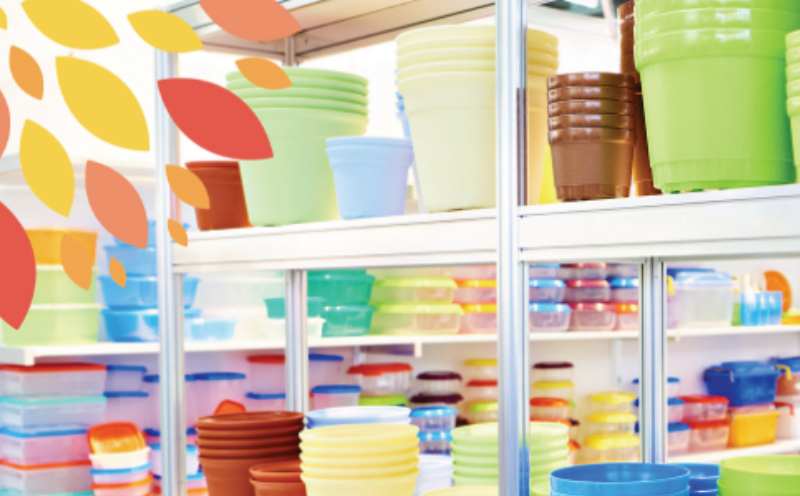
Plastics play a major role in floriculture, appearing in everything from propagation trays and plant containers to floral sleeves, shipping crates and even price tags. For growers, wholesalers and retailers, plastics provide convenience, durability and cost efficiency, making them difficult to replace entirely.
At the same time, as the industry explores more sustainable practices, plastics present a significant challenge. Many businesses are working to balance the practical benefits of plastic with growing concerns about waste, recyclability and environmental impact. Achieving that balance is an important step toward operating within a more circular economy.
Sustainabloom offers a collection of guides designed to help floriculture businesses better understand and manage their use of plastics. The resources examine how plastics are used across the supply chain, identify emerging alternatives and highlight opportunities to reduce plastic use without disrupting day-to-day operations.
The Plastics section includes three guides tailored specifically for growers, wholesalers and retailers. Together, they explain the types of plastics commonly used in floriculture, how they are made and what happens to them at the end of their life cycle. Business owners can learn about the seven main plastic categories, which materials are more easily recyclable and which pose greater environmental concerns.
Beyond the basics, the guides address practical considerations facing businesses today, including recycling codes, shifting consumer expectations around plastic use and strategies for reducing waste through the “four R” approach: reduce, reuse, recycle and replace. Each guide also clarifies the often-confused distinction between “compostable” and “biodegradable,” helping businesses make more informed decisions when evaluating alternative products.
Some sections are tailored to specific sectors. Retailers and wholesalers can find guidance on plastic certifications relevant to floriculture, along with examples to help identify credible programs. The grower-focused guide examines the return on investment associated with reducing plastic use and improving recycling practices, an important factor when balancing sustainability goals with business realities.
Each guide also features an industry spotlight highlighting how companies across the country are addressing plastic use in creative and effective ways. These real-world examples showcase efforts ranging from incorporating recycled materials into products to rethinking single-use plastics and responding to consumer demand for more sustainable options.