D’Arrigo New York focuses on consistency
D’Arrigo New York focuses on consistency
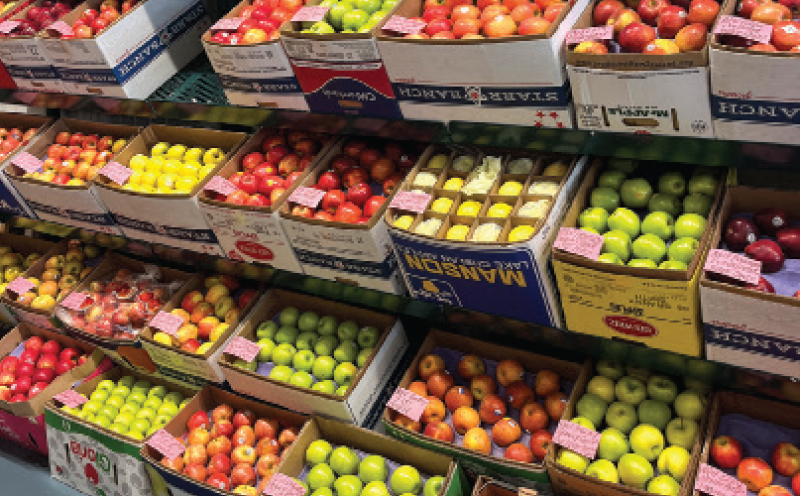
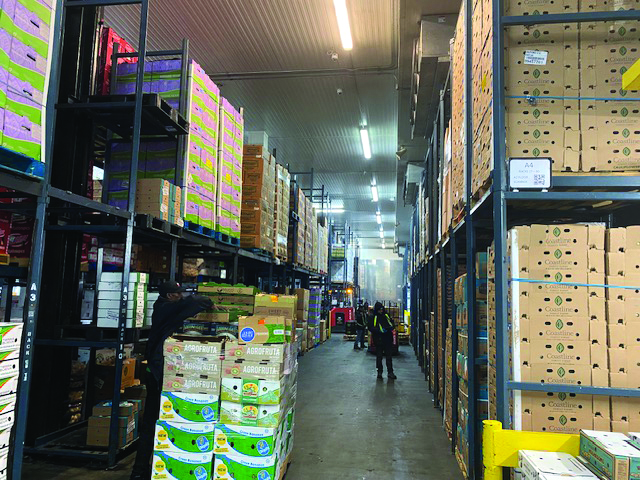
D’Arrigo New York, based at the Hunts Point Terminal Market in the Bronx, is the largest apple house in the Northeast and one of the powerhouse distributors in the country.
The company is watching the early part of 2026 unfold carefully, as consumers, customers and wholesalers continue to operate with tighter budgets and a more conservative mindset than years past.
“It’s been a relatively slow year,” said Gabriela D’Arrigo, vice president of marketing for the company. “2025 was a slow year, a tough year for pretty much everyone in the industry. With inflation being what it is, people are basically not spending the money they’ve typically spent at the grocery store. Nobody is buying the way they previously have. Everyone is being more cautious.”
Therefore, the company’s approach to 2026 is rooted in cautious optimism, hoping for improvement, but planning realistically.
“We’re hoping things will improve and that people will want to go back to spending what they had been spending in previous years,” D’Arrigo said. “Right now, it’s not trending in that direction. It’s a little too early to tell.”
Within the apple category itself, D’Arrigo sees clear movement patterns shaped by both price sensitivity and consumer preference. While premium options like Honeycrisp still have a loyal following, much of the volume is shifting to more affordable mainstream varieties.
“We’re seeing a lot more of the apples like Red Delicious and Golden Delicious,” she said. “Varieties that are more readily available and tend to have a lower price point. Those are really what everyone is going for.”
Staples like Gala, Fuji, and Pink Lady remain steady movers, but the trend is unmistakable: consumers are gravitating toward budget-friendly choices. That shift has also shaped how the company approaches premium and managed varieties.
“We adjust,” D’Arrigo said. “We still bring them in. There are still customers who want them regardless. But we just don’t bring them in the volume that we ordinarily would.”
Many of the company’s core customers — New York’s smaller independent retailers — are especially mindful of every dollar they spend.
“These are people who know exactly where every cent is going,” D’Arrigo said. “They’re being much more practical about the offering.”
Like most in the produce supply chain, the company continues to navigate cost pressures around labor, logistics and transportation. Trucking remains a variable that fluctuates often, though D’Arrigo noted the market has a way of balancing itself over time. Still, every load must be optimized.
“We never not have a full load of something,” she said. “We’re always making sure that when we’re sending trucks back and forth, there’s something on the truck we’re getting our money for.”
One area where D’Arrigo sees an undeniable advantage is in communication, the cornerstone of the company’s relationships with customers.
“Communication is key,” she said. “If we know something’s happening out West, or even locally, and we can communicate early, that helps them move product. Whether it’s a deal on a particular variety, a tightening market, or a shift in supply, keeping customers informed allows them to react quickly and protect margins.”
That back-and-forth goes both ways.
“They’re communicating to us just as much as we’re communicating to them,” D’Arrigo said. “That’s how we push through the slow times or the more challenging times.”
For 2026, D’Arrigo remains confident in one thing: apples will always move. “Apples are always a strong category,” she said. “They’re like bananas, you’re always going to get the order. You just have to be strategic about setting the order up for your customer and staying consistent.”