Dates expected to have tight market in summer
Dates expected to have tight market in summer
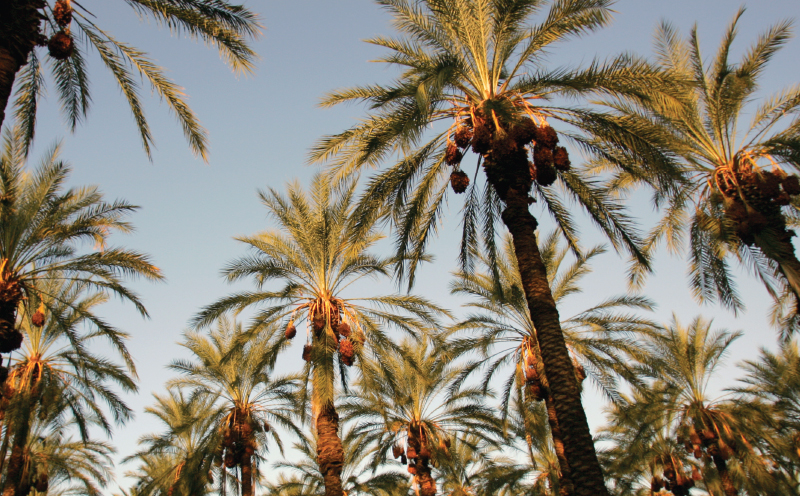
While dates are mostly harvested in September and October, thanks to their naturally stable shelf life, they are readily available year-round. Still, some challenges impacted the new crop which will have an effect on the current season.
“Early fall storms in the growing region impacted this year’s crop more than originally estimated,” said Kristy Kneiding, executive director of the California Date Commission. “So, there will be additional costs of sorting and cleaning the fruit to ensure a quality product. As a result, this year’s crop has a smaller than anticipated yield and it will be a tight a market come mid-summer.”
The two main varieties of dates grown in California are the Medjool and Deglet Noor. Medjools have a rich, sweet flavor profile with hints of caramel, honey and brown sugar.
“They are soft and chewy and definitely the most popular of all dates,” Kneiding said. “They are delicious eaten on their own or pair well with salty cheeses, bacon, nuts and chocolate. They are tasty in both sweet and savory dishes.”
Meanwhile, Deglet Noor dates are semi-dry and have a firmer texture than the Medjool. They have mild to moderate sweetness with delicate notes of honey, caramel and are a bit nutty.
“Deglet Noor dates are best used to add a natural sweetness to baked goods, blended into smoothies and chopped in salads, cereals, etc.,” Kneiding said. “This variety is most often used to create date paste.”
Growers in the area also produce Halawy, Zahidi, Khadrawy and Barhi. These varieties can be found more often at farmers’ markets as they have smaller quantities available.
Holidays and seasonal occasions are powerful volume drivers, and Ramadan continues to be one of the strongest peaks because dates are central to breaking the fast and to family gatherings.
“Our Ramadan messaging underscores why California Dates are particularly wellsuited for that role: naturally sweet and energizing, clearly labeled by origin, picked at peak ripeness with no additives and grown under strict U.S. foodsafety and quality standards—attributes that matter when shoppers are buying for the people they love,” Kneiding said.
Even so, today’s consumers see dates as an everyday pantry staple which is why they show up in snacking, smoothies, cooking and baking, better for you desserts, cocktails and mocktails and in manufactured products where dates replace refined sugar or artificial sweeteners.
“The Commission leans into this versatility in all of its communications—recipes, social content and media outreach highlight dates as a singleingredient, naturally sweet fruit that fits modern cooking and snacking habits, encouraging consumers to keep dates in their carts throughout the year, not just during the holidays,” Kneiding said.
Dates align perfectly with what consumers are seeking right now: clean, simple ingredients; transparent origin; natural energy; and foods that bridge cultural traditions and modern wellness routines and lifestyles.
“Their combination of naturally sweet, energizing nutrition; clearly labeled U.S. origin; no additives purity; and sustainably grown dates that allow North American shoppers to buy closer to home and support American farmers positions dates as both a yearround pantry staple and a preferred natural sweetener for home kitchens and new product development,” Kneiding said.
On the challenge side, the category still needs to break through the noise in a crowded marketplace. That means ongoing education about where food comes from, why supporting American date farmers matters and competing for limited shelf space and staying ahead of fastmoving wellness trends.
“The commission helps the industry prepare by providing research building unified messaging and investing in health, culinary and retailer focused education so that dates are recognized not just as a holiday tradition, but as a sustainably grown choice all year long,”