Playing not to lose rather than playing to win
Playing not to lose rather than playing to win

Have you heard the phrase, Pull in your horns? Perhaps you used it when a personal financial crisis popped up. Maybe your boss used it in a sales meeting while profits were starting to slip. In business, pulling in your horns is being cautious and is very similar to playing not to lose.
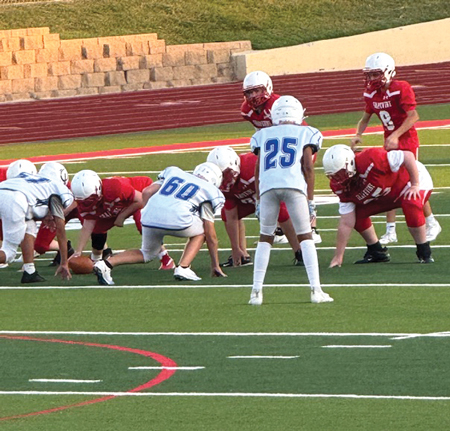
In football, for example, coaches have systems in which they call different plays to arrange offense and defense formations in order to manage late game activity. One of the strategies often used when leading in the score is the prevent defense.
Some refer to playing the prevent defense as preventing a victory.
most management leaders immediately focus on the one strategy
they’ve always used — labor cutting.
Of course, winning is never a guarantee no matter what strategy is performed. Does your company operate in a prevent defense? Does it play not to lose rather than to win? What strategy do your management leaders use to strengthen rather than weaken the team on the ever-competitive business field?
Oftentimes, company management will play it safe by retreating, backing down and becoming more cautious regarding operating expenditures. They tend to pull in their horns on everything related to spending such as holding back on everything, which eventually involves being too cautious in selling to protect gross profit. Unattractive and boring ad promotions are like running out the clock on the playing field against customers as opponents.
When implementing the prevent defense on operating expenses most management leaders immediately focus on the one strategy they’ve always used — labor cutting. That’s when fewer worker hours start to draw the selling energy out of the employees. The added chores trying to cover areas that other workers performed burn out the remaining team. When that happens it becomes a dangerous risk. In other words, the labor cuts could save $1,000 but lose $10,000 in sales due to depleted product conditions brought about by fewer workers to maintain the displays.
As Vince Mastromauro, produce director for Sunset Foods in Highland Park, IL, said “labor hour cuts have a dramatic effect on the produce department from start to finish of each business day. Orders are not written correctly due to being written in haste, receivers do not have the time to properly check in the day’s delivery arrival, the product is not being rotated daily, displays are not being restocked and the customer service begins to wane. The reduced and exhausted staff is too busy trying to keep up with demanding tasks in a department that needs skillful talented hands to maintain conditions. These daily challenges are not a good formula for success and growth when the workers are chasing their tail just to maintain the entire basic department assignments.”
Pulling in a company’s horns and playing that last minute prevent defense strategy comes with some adverse condition practices. It usually starts with a lot of uncomfortable meetings reviewing a list of operational cutbacks.
Then it’s downsizing everything and restructuring the lean-and-mean budget.
After cutting and chopping everything back, that’s when the sales star to slowly slip. It begins by chipping away advertising promotions, raising prices, ceasing creativity and stifling motivation. That’s when the employees start to be more cautious and refrain from making decisions or using time to service customers. The cuts place a strain on the workers, who then become fearful of making mistakes and being reprimanded.
The penalty for sudden and severe company cutbacks can develop into negative ramifications by increased employee workloads that can lead to an overwhelming decline in morale and productivity. Therefore, any intended savings on expenses could actually cause a further drop in profits.
Too often, pulling in the horns to an extreme can turn playing not to lose into a competitive disadvantage. It not only loses the game, but it can also lose the company.
Ron Pelger is a produce industry adviser and industry writer. He can be contacted at 775-843-2394 or by e-mail at [email protected].