Panorama Produce Sales creates mango awareness
Panorama Produce Sales creates mango awareness
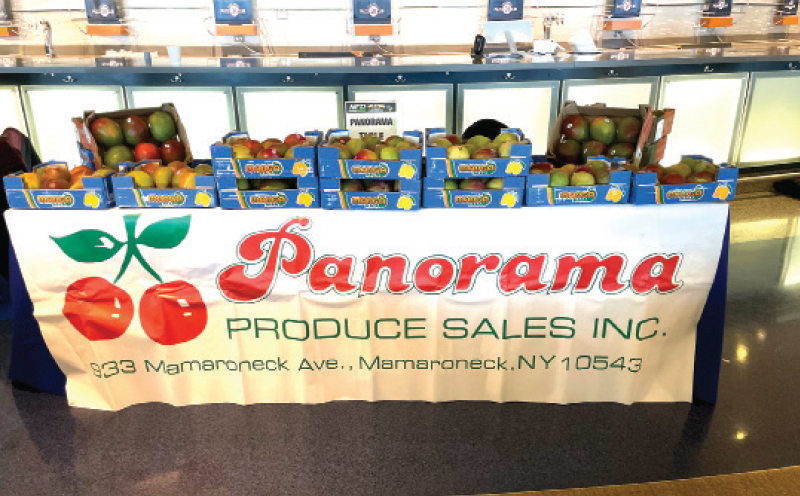
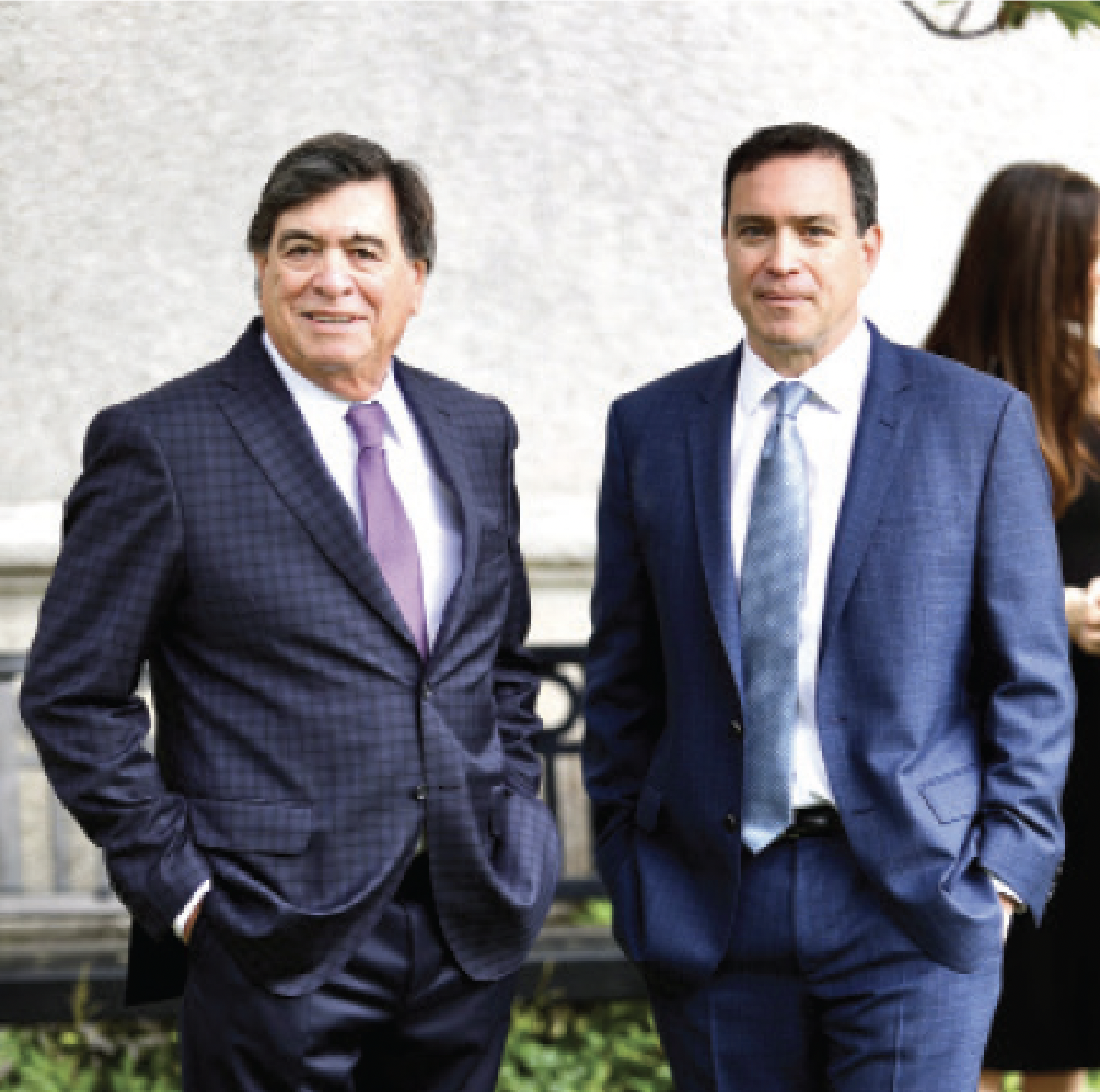
Panorama Produce Sales take the problems out of importing and strives to put more excitement onto retail shelves that should lead to greater sales and profits.
That problem-solving can be an extremely important issue for any retailer trying to make a statement and build sales and profits from the growing mango category.
As with other produce categories, mangos present retailers with a number of opportunities, as well as challenges, including issues with Mother Nature, that can impact sales. Officials at Mamaroneck, NY-based Panaroma Produce said they have the experience, knowledge and patience to help merchants solve any issues and maximize their sales and profits from the mango segment.
“We continue to communicate with our retailers on long-term crop forecasts so they can prepare properly, especially when we see opportunities to run aggressive ads,” said Eric Nagelberg, president of the company and son of founder, Jeff Nagelberg. “This is becoming more important as climate change continues to have a significant impact on the mango crop. We also try to communicate with retailers when mangos are in peak season so the merchants can anticipate optimal internal color and eating quality.”
It also does not hurt that the company is one of the five largest importers of mangos in the United States market and has strong relationships with growers throughout the southern Western Hemisphere to provide 52-week programs to its retail partners.
Nagelberg said that Panorama Produce was started in 1983 as a produce brokerage company by his dad. “At the beginning of the 21st century, we saw the trend that buyers were starting to buy direct,” he said. “We believed in the mango category and we reached out directly to mango growers. In 2003, we started importing mangos directly from South America and Central America with one container per week and we built it up to what it is today.”
Jeff Nagelberg, who died about two years ago, remains a big part of the company’s overall strategy. “Even though I lost my father close to two years ago, I make a huge effort to incorporate all the values that he passed on to me,” Nagelberg said. “One of the core values was the importance of sometimes just picking up the phone to discuss an issue. Technology is great for the industry and make us more efficient, but we must remember the importance of direct communications and how picking up the phone and talking to someone — buyers and growers — can quickly solve any situation.”
Educating both retailers and consumers about the mango segment is a big part of the battle. “Mango sales continue to grow organically as more consumers learn about mangos and become passionate about them,” Nagelberg added. “We specifically are seeing customers become more excited about fiberless varieties despite their green color.”
Still, there is work to be done to educate merchants about a number of issues — including climate change and availability — with mangos and what they can do on their own to build sales from the category.
“We find it’s especially helpful when retailers are flexible with sizing,” Nagelberg said. “This helps them take advantage of peak sizing and offer the best value to their customers.”
For those who do, the opportunity to build more sales and profits from the mango category remains extremely strong.
“Mangos are on an incredible growth trajectory as more consumers learn about them and enjoy them,” Nagelberg said. “One topic we see as extremely important is helping our growers understand there is a new traceability law coming in 2028. We want to make them aware of the importance of staying ahead of the curve in order to be fully compliant.”