Farm-to-table: Behind-the-scenes with Ben B. Schwartz & Sons
Farm-to-table: Behind-the-scenes with Ben B. Schwartz & Sons
Farm-to-table dining isn’t new, but it’s been gaining popularity as more people put a premium on healthy eating and supporting their local communities. In fact, a recent study found that 66 percent of Americans are more likely to dine in a restaurant if it sources its food locally.
But most of the time, people only focus on the farm and the table part of the equation — where the food comes from and how they eventually get to enjoy it — but so much happens in the “to” that it’s worth shining a light on the most crucial, but often overlooked, layer of farm-to-table cuisine.
Let’s pull back the curtain on how farm-to-table actually works, and the supply chain at the heart of it all:
Sourcing & aggregation
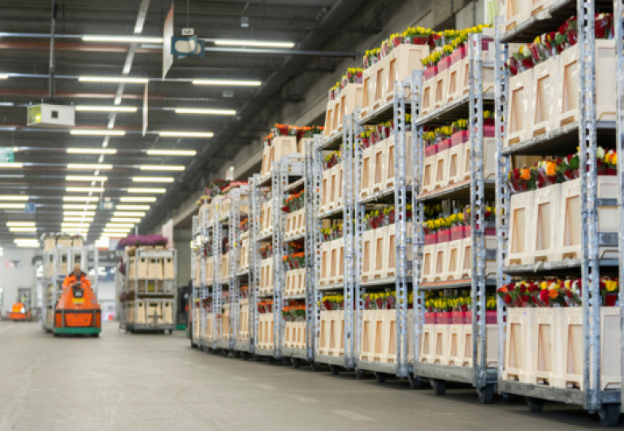
Whether the end point for produce is a foodservice group, a grocery store or a restaurant itself, wholesale distributors do the work of finding the local farms and growers to source product from. Additionally, wholesalers collect large quantities from multiple farms, so customers can turn to them as a single source for ordering whatever they need instead of making several, different purchases. For the small and mid-sized farmers growing the produce, working with wholesalers helps them reach large markets that they wouldn’t be able to on their own, meaning the high-quality, fresh fruits and vegetables we know and love are available in more places — from store shelves to our plates.
Storage & transportation
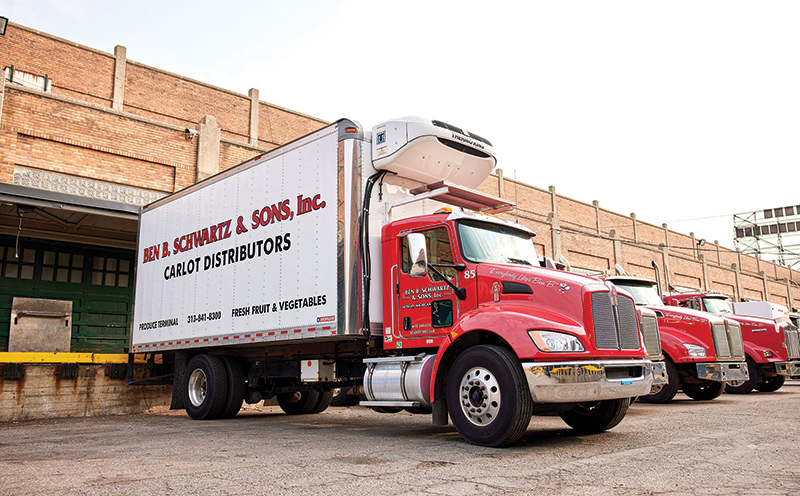
Once a wholesaler sources the produce, they also maintain its quality during transport and for any time they may have to store it before delivery. This includes everything from using temperature-controlled trucks to scheduling shipping for utmost freshness. The wholesaler is responsible for making sure that the produce under its care gets to where it’s going safely, on time and at the highest standard.
Quality control & sourcing
For diners, wholesalers are the gatekeepers for their farm-to-table experience. Once they receive product at their warehouse, they inspect and grade it based on quality, size, ripeness and more. This is perhaps the most critical layer for the end consumer, making sure the produce that eventually lands on their plate meets their standards. Before that happens, however, wholesalers also take the important step of preparing the produce after assessing it, everything from sorting to washing and trimming, pre-cutting, packaging, bagging and more so it arrives at its final destination in peak condition and without requiring more work. This can include generating labels that also share sourcing details, showing the farm, location and harvest date.
Risk management & market insight
A wholesale distributor keeps the flow of delicious produce going, no matter what happens. For example, if a single farm experiences crop failure or has a limited harvest, the distributor can source similar products from another partner farm quickly without disrupting timelines.
They maintain a network of grower partners that help ensure consistency of supply without abandoning local sourcing goals. In addition, wholesalers are in a position to proactively offset these challenges and can evaluate crop forecasts, availability and pricing trends so inventory is never an issue. This has the downstream benefit of helping chefs, managers and retailers better plan seasonal menus or marketing campaigns, stay on budget and avoid last-minute shortages.
Sustainability
Finally, aside from supporting local business, sustainability is a core component of the farm-to-table movement. Wholesalers are an important layer to making the entire practice environmentally-friendly by reducing its carbon footprint. Wholesalers can plan sourcing and transporting by region, helping reduce overall mileage and emissions.
Sometimes it’s easy to take healthy eating for granted, and it’s nice to remember the important work that happens to make it a reality.
When we sit down to each fresh, locally grown produce, it’s thanks to a number of steps and considerations happening behind-the-scenes. Wholesalers are the champions of that process and make it possible for every link in the supply chain, from farmers to retailers and, finally, consumers, to get what they need, when they need it and at an affordable price.